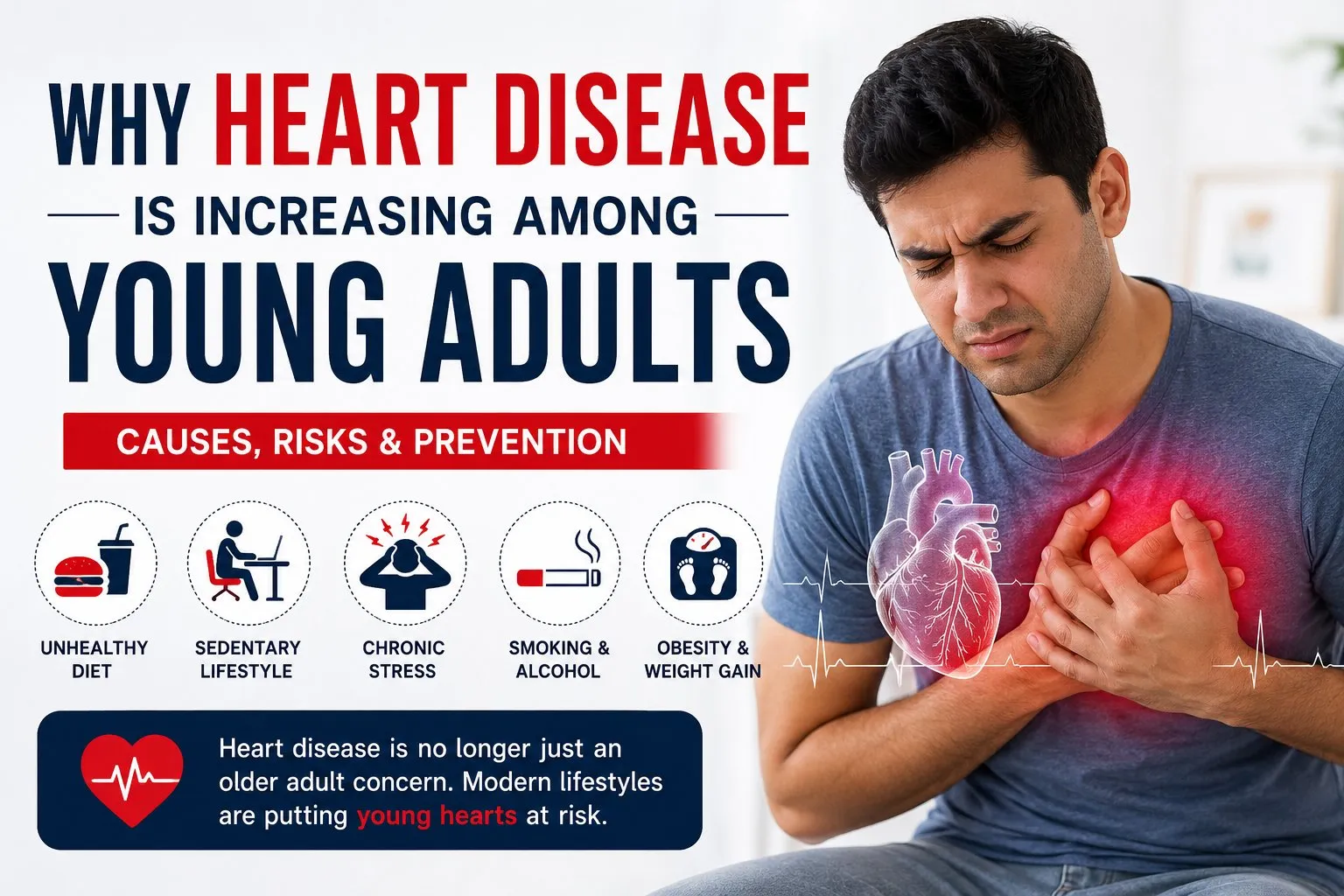

Heart disease is often associated with sudden medical emergencies, but many cardiovascular conditions begin with subtle symptoms that are easy to dismiss. Fatigue, breathlessness, or occasional chest discomfort may seem harmless, yet they can sometimes indicate an underlying heart problem.
Recognizing these warning signs early can make a significant difference in preventing serious complications and improving long-term heart health.

1. Chest Discomfort That Comes and Goes
Chest pain is not always severe. Some people experience mild pressure, tightness, or a squeezing sensation that appears during physical activity or emotional stress and improves with rest.
Even if the discomfort is temporary, recurring episodes should never be ignored.
2. Shortness of Breath
Feeling breathless while climbing stairs or performing routine activities could indicate that the heart is not pumping blood efficiently. If shortness of breath develops without a clear reason, it deserves medical evaluation.
3. Unusual Fatigue
Persistent tiredness that does not improve with adequate rest may be more than simple exhaustion. Reduced blood flow caused by heart problems can leave the body feeling weak and lacking energy.
This symptom is particularly common among women.
4. Irregular Heartbeat
Occasional palpitations are common, especially during stress or after consuming caffeine. However, frequent episodes of racing, fluttering, or skipped heartbeats should be assessed by a healthcare professional.
Certain rhythm disorders can increase the risk of stroke or heart failure if left untreated.
5. Swelling in the Legs or Feet
When the heart struggles to pump blood effectively, fluid may accumulate in the lower limbs, causing swelling around the ankles or feet.
Persistent swelling should not be ignored, especially if it occurs alongside fatigue or breathlessness.
6. Dizziness or Fainting
Feeling lightheaded or experiencing unexplained fainting episodes may indicate changes in blood pressure or heart rhythm that require prompt medical attention.
These symptoms can interfere with the heart's ability to supply adequate blood to the brain.
7. Pain Beyond the Chest
Heart-related pain is not always limited to the chest. Some individuals experience discomfort that radiates to the shoulders, arms, neck, jaw, or upper back.
These symptoms can occur before or during a cardiac event and should never be dismissed.
How to Reduce Your Risk
Simple lifestyle changes can significantly improve cardiovascular health:
- Stay physically active.
- Eat a balanced diet rich in fruits, vegetables, and whole grains.
- Avoid smoking and tobacco products.
- Limit processed foods and excess salt.
- Maintain a healthy body weight.
- Get adequate sleep.
- Manage stress effectively.
- Monitor blood pressure, cholesterol, and blood sugar regularly.
When Should You Consult a Heart Specialist?
Do not wait for symptoms to become severe. Individuals with diabetes, hypertension, obesity, high cholesterol, or a family history of heart disease should consider regular cardiac evaluations, even if they feel well.
For those seeking specialized evaluation and preventive heart care, consulting an experienced cardiology hospital in Mumbai can help detect cardiovascular conditions early and guide appropriate treatment. Learn more about comprehensive cardiac services here:
Conclusion
Heart disease often develops quietly before noticeable symptoms appear. Paying attention to subtle warning signs and taking proactive steps toward prevention can protect your long-term health.
Healthy daily habits, routine medical check-ups, and timely consultation with qualified heart specialists can significantly reduce the risk of serious cardiovascular complications.
























Sign in to leave a comment.