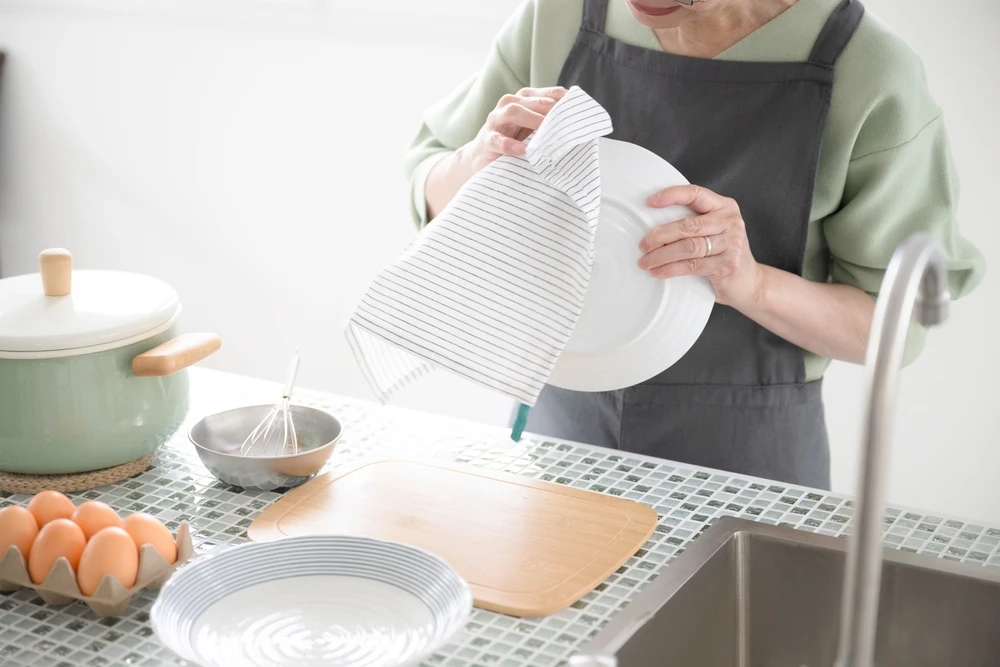
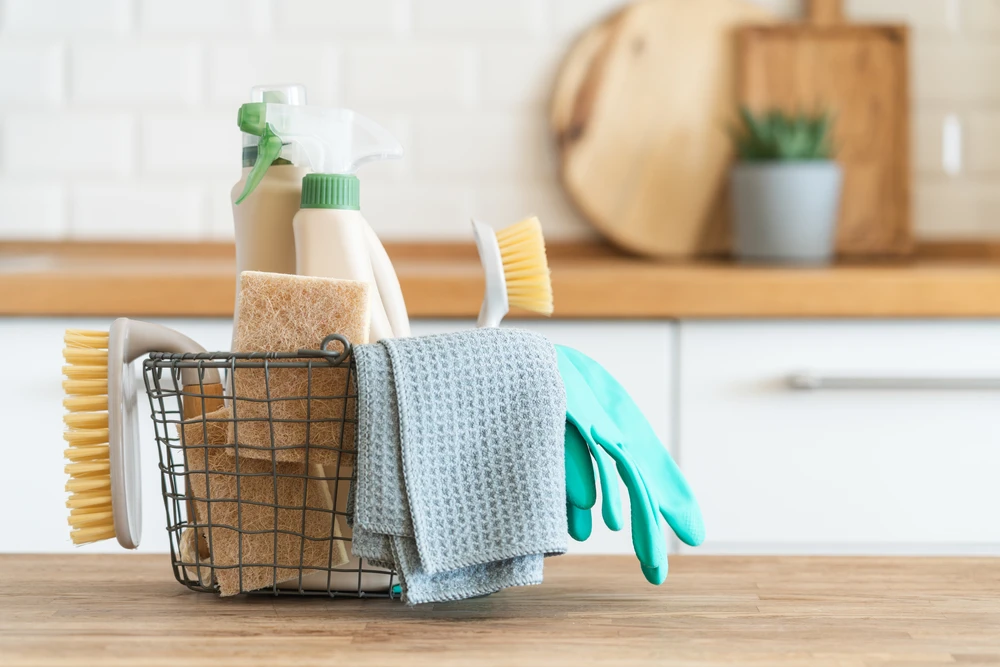
Microfiber towels are a cleaning powerhouse known for their incredible absorbency and ability to pick up dust and grime with ease. However, these high-tech textiles require special care to maintain their effectiveness and longevity. One common question that arises is: Can you wash microfiber towels with dish soap?
The short answer is: it's generally not recommended. While dish soap can technically clean your towels, it can also have detrimental effects on their performance. Here's a breakdown
Why Dish Soap Might Seem Like a Good Idea:
- Readily Available: Dish soap is a common household item, easily accessible and affordable.
- Cuts Grease: Microfiber towels often encounter greasy messes, and dish soap is designed to tackle grease effectively.
The Downsides of Using Dish Soap:
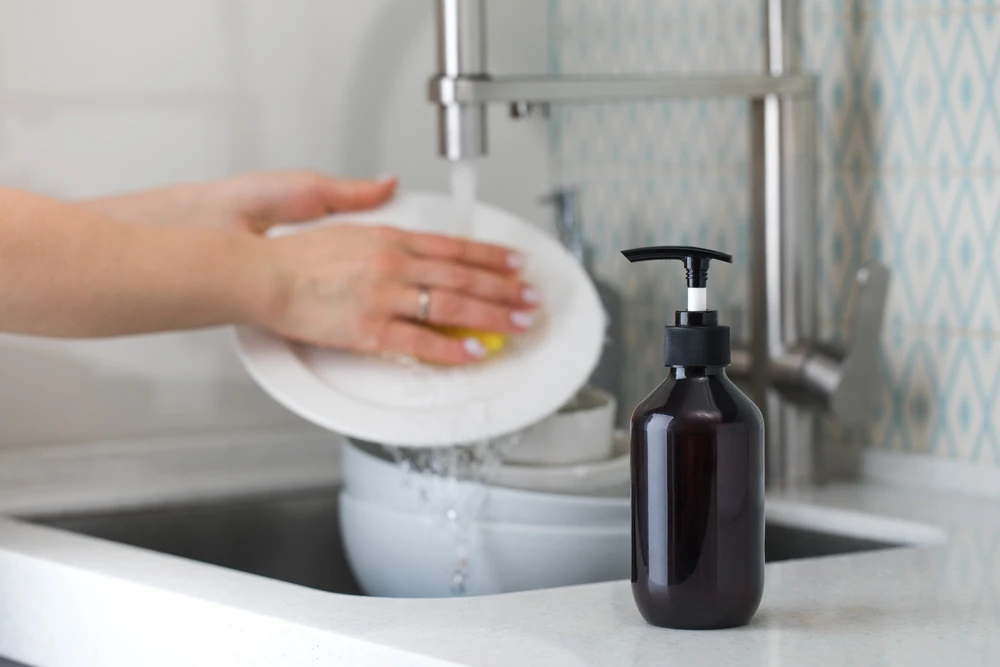
- Detergent Buildup: Dish soap often contains harsh surfactants and fragrances that can leave residue on the microfiber fibers. This buildup can:
- Reduce absorbency: The residue clogs the tiny pores in the microfiber, hindering their ability to absorb liquids.
- Impair cleaning effectiveness: The residue can interfere with the electrostatic charge that allows microfiber to attract dust and dirt.
- Cause stiffness: The buildup can make the towels feel stiff and less effective for cleaning.
- Damage to Fibers: Some dish soaps contain harsh chemicals that can weaken or even damage the delicate microfiber fibers over time. This can lead to:
- Pilling: The fibers may start to pill or fray, reducing their durability.
- Loss of softness: The towels can become rough and abrasive, potentially scratching surfaces.
- Odor Issues: Dish soap can sometimes leave a lingering scent on the towels, especially if not thoroughly rinsed. This can be unpleasant, particularly for those sensitive to strong fragrances.
Best Practices for Washing Microfiber Towels:
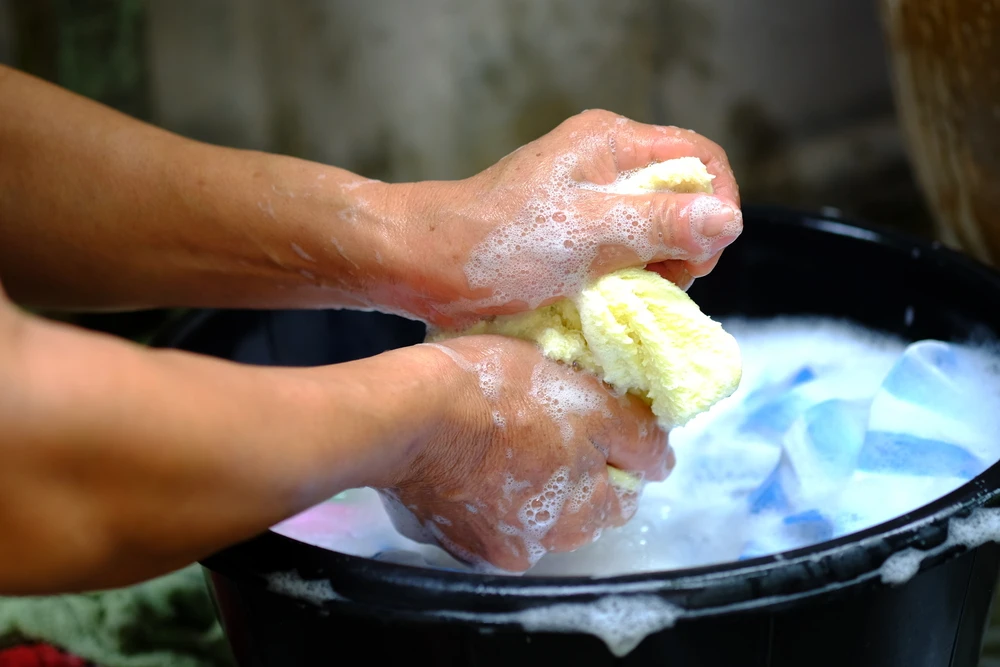
- Use a Mild Detergent: Opt for a gentle, fragrance-free laundry detergent specifically designed for delicate fabrics.
- Wash in Cold Water: Hot water can shrink and damage microfiber fibers. Always wash in cold water.
- Avoid Fabric Softener: Fabric softener coats the fibers, reducing their absorbency and making them less effective for cleaning.
- Air Dry Whenever Possible: Heat from the dryer can damage the fibers. Air drying is the preferred method. If machine drying is necessary, use the lowest heat setting.
- Wash Regularly: Frequent washing helps prevent the buildup of dirt, oil, and bacteria.
When to Consider Using Dish Soap (with Caution):
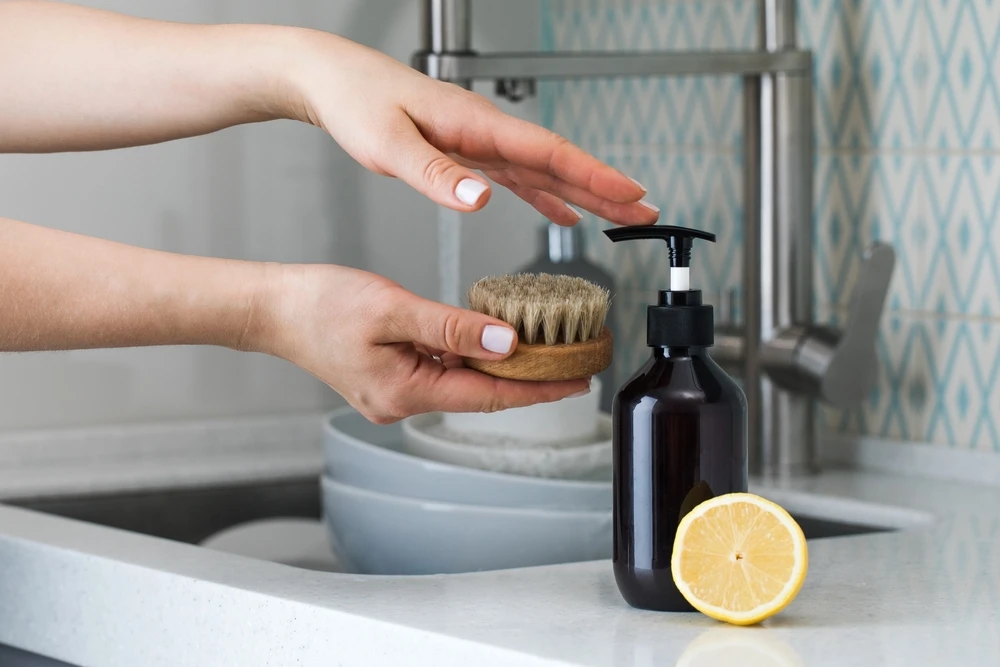
- For Heavily Greasy Messes: If your microfiber towels are heavily soiled with grease, a small amount of dish soap can be used in conjunction with a gentle laundry detergent. However, ensure thorough rinsing to remove all traces of the dish soap.
- Spot Cleaning: For minor grease stains, a diluted solution of dish soap and water can be used for spot cleaning.
Important Note: Always refer to the care instructions on the label of your specific microfiber towels. Some manufacturers may have specific washing recommendations.
Conclusion:
While dish soap might seem like a convenient option for cleaning microfiber towels, it's generally best to avoid it. The potential risks of detergent buildup, fiber damage, and odor issues outweigh any minor benefits. By using a gentle laundry detergent and following the recommended washing practices, you can ensure your microfiber towels remain clean, effective, and long-lasting.
Disclaimer: This article is for informational purposes only and does not constitute professional cleaning advice.























Sign in to leave a comment.