

Maintaining hygiene in personal and shared spaces has become more important than ever. Among these spaces, washrooms hold a significant role in defining cleanliness and comfort. A well-stocked and thoughtfully designed washroom not only supports health but also enhances overall user experience. The choice of products used in these spaces makes a real difference—ranging from basic essentials to advanced hygiene solutions. This article explores the types of washroom supplies that contribute to better hygiene standards while ensuring functionality and convenience.
The Role of Washroom Supplies in Hygiene
Everyday hygiene is closely linked to the accessibility of proper facilities. When washrooms lack essential items, users are left with limited options to maintain personal cleanliness. On the other hand, a properly equipped space creates an environment that encourages responsible hygiene practices. Products such as dispensers, hand-drying solutions, sanitizers, and air fresheners are not just accessories but fundamental tools for maintaining cleanliness.
Washrooms in workplaces, schools, public venues, and homes rely on these items to reduce the spread of germs and to provide a comfortable experience for users. The impact of such facilities extends beyond personal convenience—it contributes directly to overall public health.
Essential Categories of Bathroom Supplies
While the term covers a wide range of items, some bathroom supplies are considered indispensable. Each product type serves a unique purpose in supporting daily hygiene.
1. Hand Hygiene Products
Handwashing remains the most effective defense against germs. Soaps, sanitizers, and automated dispensers ensure that individuals can follow proper hygiene practices with ease. In modern setups, touchless dispensers are increasingly popular as they limit direct contact, reducing the risk of cross-contamination.
2. Hand Drying Solutions
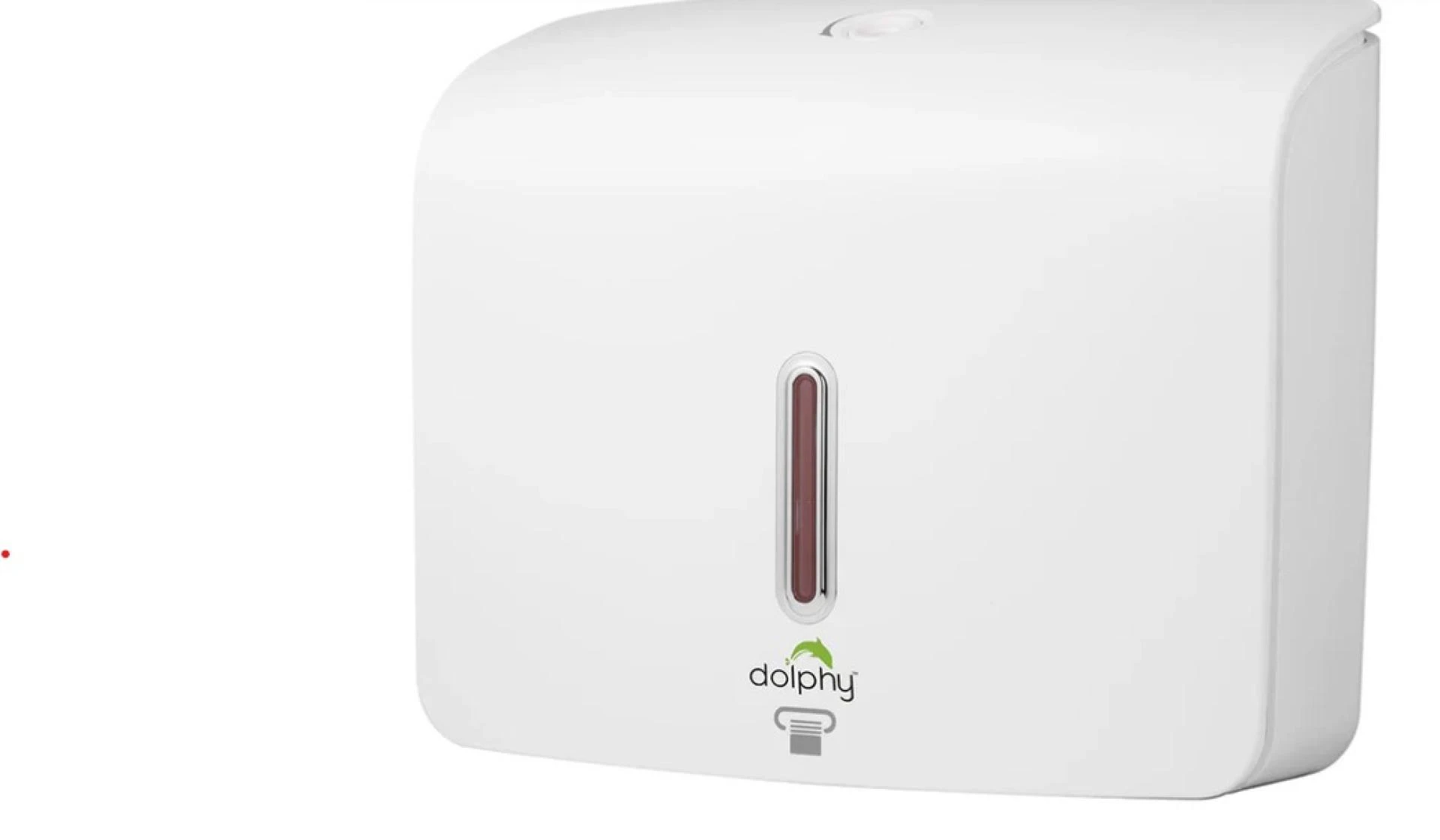
Drying hands properly is just as crucial as washing them. Paper towel dispensers and electric hand dryers are widely used in both commercial and residential settings. The choice often depends on factors such as sustainability, convenience, and maintenance requirements.
3. Toilet Tissue and Dispensers
No washroom is complete without adequate tissue paper and reliable dispensers. Properly designed dispensers minimize waste, ensure easy access, and maintain sanitary conditions. This simple supply plays a major role in everyday user comfort.
4. Air Quality Enhancers
Unpleasant odors can ruin the impression of a washroom, regardless of its cleanliness. Air fresheners and odor-control systems create a more welcoming atmosphere while preventing discomfort. These additions reflect attention to detail and consideration for user experience.
5. Waste Management Systems
Bins designed specifically for sanitary and general waste disposal help maintain cleanliness. They also ensure compliance with hygiene and environmental regulations, particularly in public and shared facilities.
Modern Innovations in Washroom Supplies
The landscape of washroom supplies has evolved significantly with the integration of technology and sustainability. Automated systems, such as sensor-based taps, soap dispensers, and smart air fresheners, are becoming common in high-traffic areas. These innovations not only reduce human contact but also improve resource efficiency by dispensing controlled amounts.
Sustainability is another major factor driving change. Eco-friendly bathroom supplies—including recycled paper towels, biodegradable tissues, and refillable dispensers—are now in demand. Organizations and households alike are looking for products that support both hygiene and environmental responsibility.
Why Attention to Washroom Details Matters
A clean and well-maintained washroom goes beyond fulfilling basic needs. In workplaces, it influences employee satisfaction and productivity. In commercial spaces, it shapes customer impressions and trust. For households, it reflects an emphasis on family health and comfort.
Investing in the right supplies demonstrates a commitment to hygiene and care. For instance, neglecting simple items like hand soap or tissue dispensers can lead to a decline in overall user experience and an increased risk of illness. In contrast, prioritizing high-quality products fosters an environment of cleanliness and reliability.
Best Practices for Maintaining Hygiene Standards
Equipping a washroom with the right products is only the first step. Regular monitoring and replenishment are equally important. Establishing a routine for checking stock levels of soap, tissues, and sanitizers prevents inconvenience and ensures uninterrupted hygiene standards.
Additionally, cleaning protocols should align with the usage levels of the facility. High-traffic washrooms require more frequent checks and deeper sanitation efforts compared to private household spaces. A combination of the right supplies and consistent upkeep guarantees optimal results.
Conclusion
The significance of a well-equipped washroom cannot be overstated. From basic hand hygiene to maintaining air quality, every detail plays a role in shaping the overall experience and ensuring public health. By selecting the right washroom supplies and integrating thoughtful bathroom supplies, individuals and organizations can elevate everyday hygiene practices. As hygiene awareness continues to grow, these essentials remain at the heart of creating safe, clean, and comfortable environments for all.


























Sign in to leave a comment.