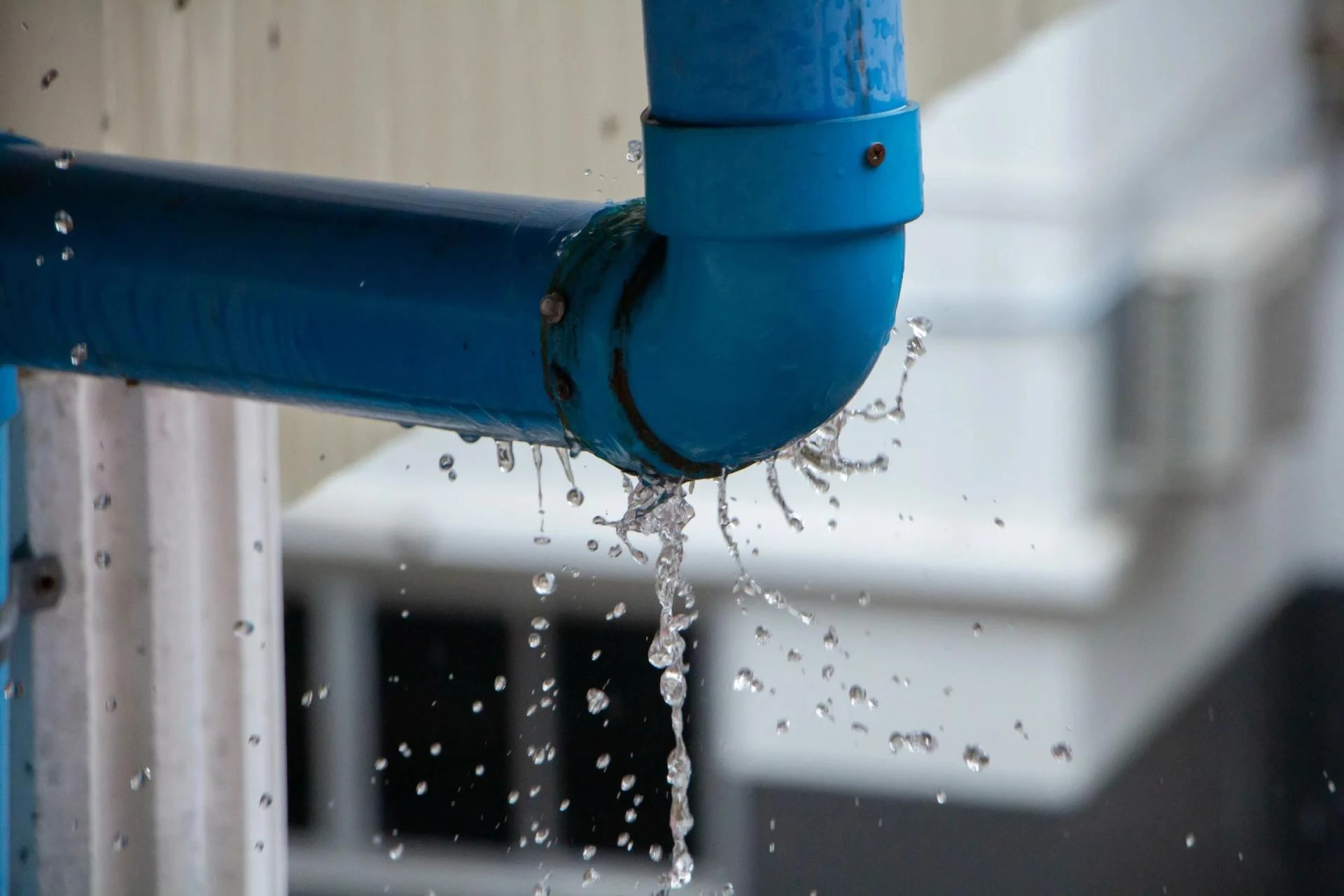
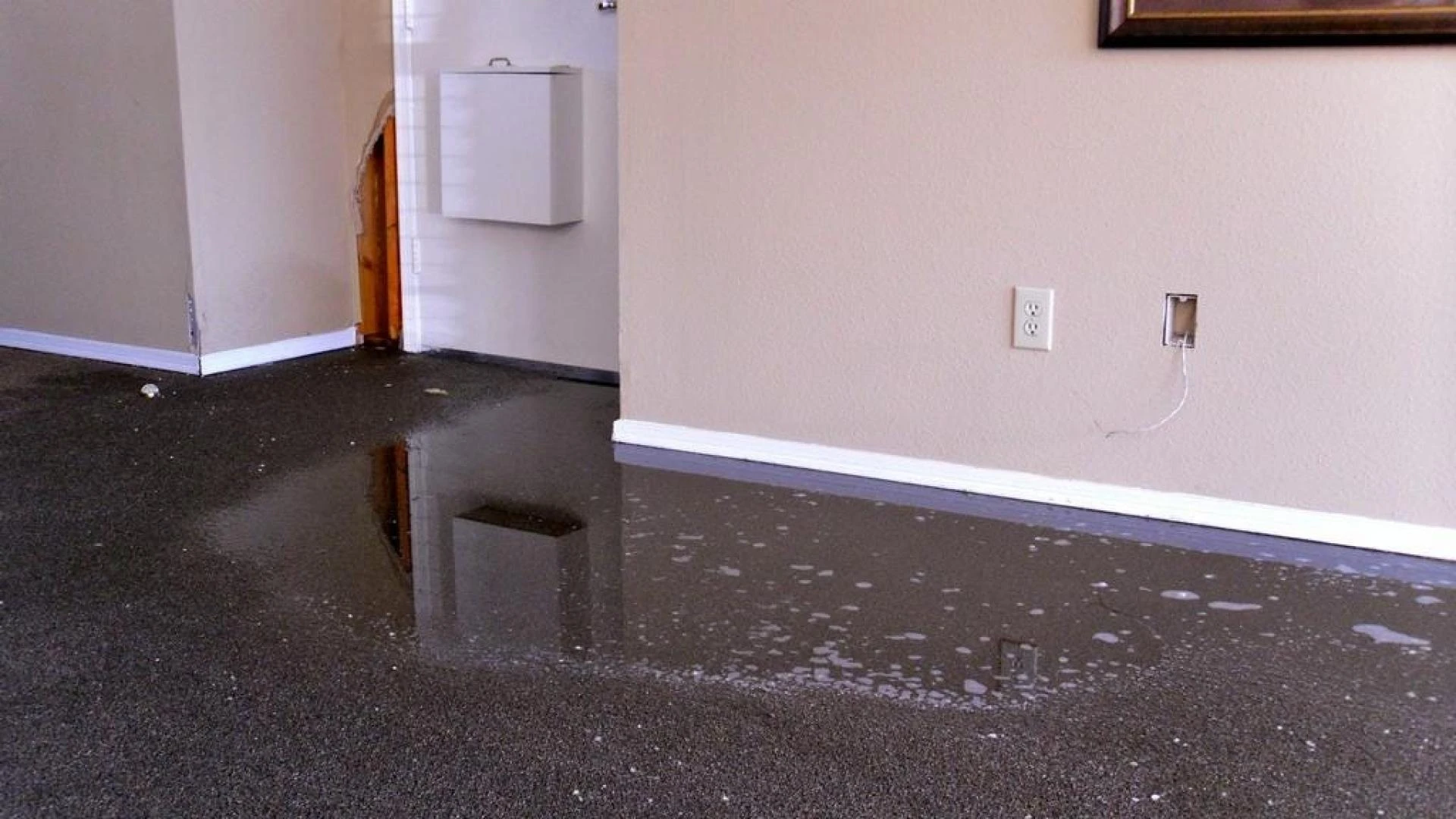
Business owners in Battle Ground, Washington, must prepare for water damage incidents by implementing proper mitigation strategies, as the region's 50+ inches of annual rainfall creates significant risk. Essential practices include maintaining updated emergency response plans, installing water detection systems, understanding shutdown procedures for critical utilities, and establishing relationships with qualified restoration professionals. These measures minimize business interruption, reduce property damage, and prevent secondary issues like mold growth that can impact both property value and customer health.
The Pacific Northwest's wet climate presents unique challenges for commercial properties. Business owners who implement proactive water mitigation strategies protect their investments, maintain operational continuity, and reduce financial exposure during water-related emergencies.
Understanding Water Damage Categories and Response Timelines
When evaluating water damage, proper classification determines necessary response measures:
Categories can escalate when remediation delays occur. According to the Institute of Inspection Cleaning and Restoration Certification (IICRC), Category 1 water damage can degrade to Category 2 within 24 hours and Category 3 within 48 hours due to bacterial growth and contamination.
Common Water Damage Sources in Battle Ground Businesses
Commercial properties in Battle Ground face water intrusion from multiple sources:
- Plumbing failures and frozen pipes during winter temperature drops
- Roof leaks from the region's heavy precipitation
- HVAC system condensation issues
- Sprinkler system malfunctions
- Groundwater intrusion during heavy rain events
- Appliance failures in break rooms and restrooms
Bonus Tip: Install automatic water shutoff systems on main supply lines. These devices detect unusual water flow patterns and automatically close valves, limiting damage extent. According to Property Casualty 360, businesses with automatic shutoff systems experience 60% less water damage severity when incidents occur.
Essential Preparedness Measures
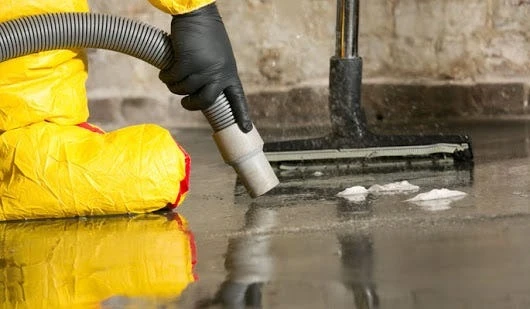
Mitigation services in Battle Ground for business owners should implement these mitigation practices before water emergencies occur:
Emergency Response Planning
Create a comprehensive water emergency plan that includes:
- Designate response team members with specific responsibilities
- Location of water shutoff valves clearly marked on building plans
- Equipment and supplies inventory for initial response
- Priority list for content protection and relocation
- Backup power sources for water extraction equipment
- Communication protocols for staff and customers
Research from the Institute for Business and Home Safety shows that businesses with documented emergency response plans resume operations 72% faster after water damage incidents.
Detection and Early Warning Systems
Modern detection systems provide critical early warning:
Early detection systems particularly benefit Battle Ground businesses due to the area's frequent temperature fluctuations during winter months, which increase pipe freeze risk.
Building Envelope Maintenance
Preventive maintenance significantly reduces water intrusion risk:
- Schedule bi-annual roof inspections before major seasonal weather shifts
- Clean gutters and downspouts quarterly
- Inspect window and door seals during spring and fall
- Maintain proper drainage away from the building foundation
- Apply appropriate waterproofing to vulnerable exterior surfaces
- Test sump pump systems monthly during rainy seasons
Bonus Tip: Install basement window well covers and extend downspouts at least 10 feet from the foundation. Battle Ground's clay-heavy soil retains moisture, increasing hydrostatic pressure against foundations. Proper drainage management prevents costly structural water damage.
Battle Ground-Specific Considerations
The Battle Ground area presents unique challenges for water mitigation planning:
Seasonal Weather Patterns
Battle Ground's climate requires adaptation of standard mitigation practices:
- November-March: Prepare for heavy precipitation with preventative roof maintenance and drainage inspection
- December-February: Protect exposed pipes during freezing temperatures that can reach below 20°F
- April-May: Address potential groundwater issues during spring thaw and heavy rainfall
- September-October: Prepare for fall storms that often bring wind-driven rain
According to the Washington State Department of Ecology, Battle Ground receives approximately 50 inches of precipitation annually, with nearly 70% occurring between October and March.
Local Building Considerations
Battle Ground's commercial buildings present specific vulnerabilities:
- Many older commercial structures (pre-1990) lack adequate foundation waterproofing
- Mixed-use buildings often have complex plumbing systems with multiple failure points
- Agricultural-adjacent properties face increased groundwater pressure during irrigation seasons
- Businesses in the downtown area have interconnected drainage systems that can create cross-contamination
Things to Consider Before Making a Decision
Business owners must evaluate several factors when developing water mitigation strategies:
- Current vulnerabilities: Assess specific risk factors based on building age, location, and systems
- Business interruption impact: Calculate potential revenue loss during recovery periods
- Insurance coverage: Review policy details for water damage exclusions and limitations
- Equipment protection: Identify critical machinery requiring specialized protection
- Data security: Ensure important records have proper backup and protection from water damage
- Restoration priorities: Determine which business functions must be restored first to maintain operations
Comprehensive Water Mitigation Services
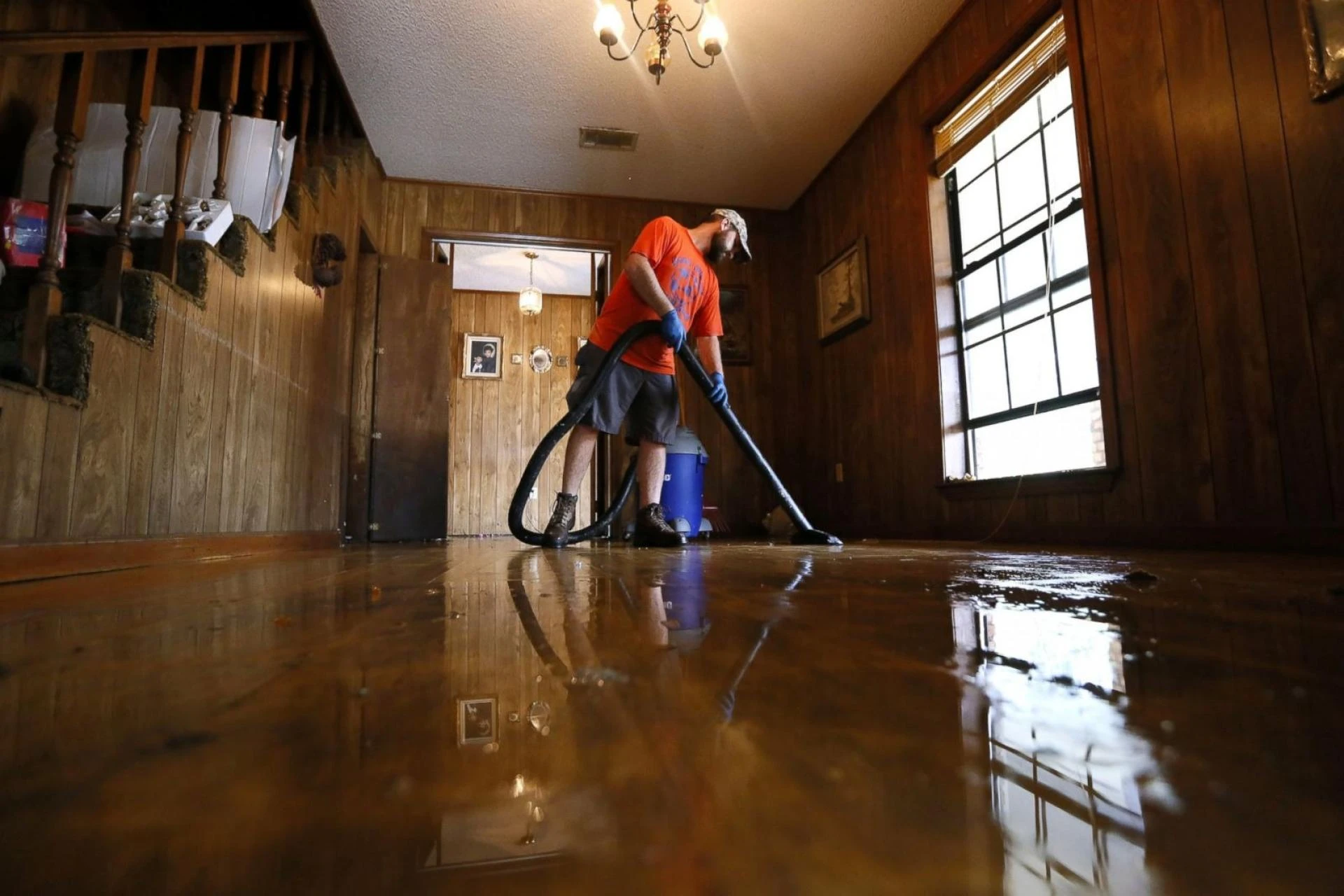
Professional water mitigation services address the full spectrum of business water damage needs:
Water Mitigation: Rapid response water extraction, structural drying, and humidity control using industrial equipment and moisture mapping to prevent secondary damage.
Fire Mitigation: Comprehensive cleanup of fire-damaged areas, including smoke residue removal, odor control, and structural stabilization.
Mold Mitigation: Complete containment and remediation services using EPA-approved methods to address mold resulting from water intrusion.
Sewage Mitigation: Specialized handling of contaminated water, including proper disposal, sanitization, and decontamination.
Restoration: Professional rebuilding services to return damaged areas to pre-loss condition with proper materials and techniques.
Remodel: Comprehensive renovation services that enhance previously damaged areas with improved functionality and updated aesthetics.
Water Damage Restoration: Complete recovery services addressing both immediate water removal and long-term moisture management.
Common Questions About Business Water Mitigation
How quickly should water extraction begin after a leak or flood?
Water extraction should start immediately—ideally within 1-2 hours of discovery. Quick response prevents structural saturation, reduces drying time, and minimizes secondary damage. The first 24-48 hours are critical for preventing mold growth and material degradation.
Will business insurance cover water mitigation costs?
Coverage depends on specific policy terms and water damage source. Most commercial policies cover sudden, accidental water damage from broken pipes or malfunctioning equipment but exclude gradual leaks or maintenance issues. Flood damage typically requires separate coverage through the National Flood Insurance Program.
How can businesses operate during water mitigation?
Operation continuity depends on damage extent and affected areas. Professional mitigation often allows partial operations through:
- Creating contained work zones with negative air pressure
- Implementing phased restoration schedules during off-hours
- Establishing temporary workspaces in unaffected areas
- Using specialized equipment that minimizes noise and disruption
What documentation should businesses maintain for insurance claims?
Maintain comprehensive documentation including:
- Dated photographs of damage before cleanup begins
- Inventory of affected contents and equipment
- Mitigation expense records and invoices
- Communication logs with restoration professionals
- Pre-existing maintenance records proving proper upkeep
Frequently Asked Questions
How can businesses prevent mold growth after water damage?
Preventing mold requires controlling moisture within 24-48 hours. Professional mitigation uses strategic drying plans that address hidden moisture in wall cavities and under flooring. Air quality monitoring during drying confirms conditions remain unfavorable for mold development. The Environmental Protection Agency notes that maintaining indoor relative humidity below 60% dramatically reduces mold growth potential.
What specialized considerations exist for different business types?
Different businesses require customized mitigation approaches:
- Restaurants need food safety protocols and health department clearance
- Medical facilities require infection control measures and patient safety considerations
- Retail spaces prioritize inventory protection and customer access
- Manufacturing facilities focus on equipment protection and production continuity
- Office environments emphasize document preservation and electronic equipment safety
How long does professional water mitigation typically take?
Timeline varies based on several factors:
- Category 1 (clean water) incidents typically require 3-5 days for complete drying
- Category 2 and 3 incidents may extend to 5-10 days due to additional sanitization requirements
- Structural materials affect drying time—concrete and hardwood dry more slowly than drywall
- Building size and affected area square footage directly impact timeline
- Environmental conditions including humidity and temperature influence drying rates
What steps should employees take while waiting for professional help?
Train employees to:
- Shut off water sources if safe to do so
- Remove items from affected areas when possible
- Elevate furniture with foam blocks to prevent staining
- Extract standing water with wet vacuums if available
- Document damage with photographs before disturbing the scene
- Avoid entering areas with electrical hazards or contaminated water
Ready to Enhance Your Water Damage Preparedness?
Implementing proper water mitigation practices protects Battle Ground businesses from costly damage and operational disruptions. Professional assessment identifies specific vulnerabilities and develops customized protection strategies for your commercial property.
Contact Prestige NW Restoration at (360) 334-3624 or email dispatch@prestige-nw.com to schedule a comprehensive water mitigation assessment.
Reviewer
Reviewer: Matthew Moore brings over 15 years of experience in residential renovation marketing. The review provided helped shape this content to better connect with homeowners seeking reliable, high-quality restoration and home improvement services.





Sign in to leave a comment.