Water Quality Testing: Why Maryland Homeowners Should Test Their Water

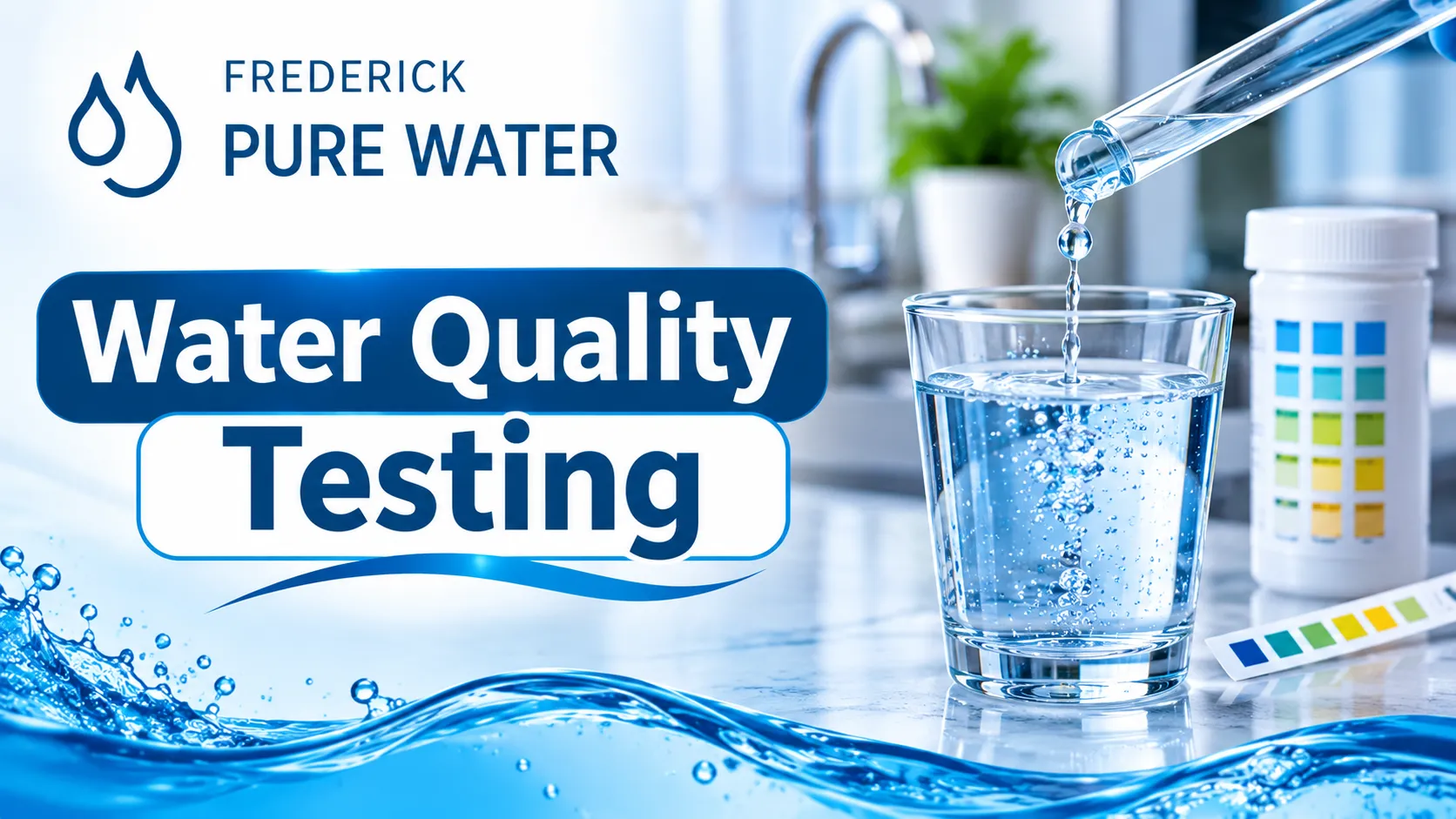
Clean water plays an important role in maintaining a comfortable and healthy home. From drinking and cooking to bathing and washing dishes, homeowners depend on their water supply every day. However, water that looks clear does not necessarily mean its quality is ideal. Dissolved minerals, sediment, and other substances can affect water characteristics, taste, odor, and overall household use.
This is why professional Water quality testing is an important step for homeowners who want to better understand their residential water supply. Testing helps identify specific water quality concerns and provides useful information when choosing an appropriate treatment solution.
If you are searching for Water quality testing Near Me, Frederick Pure Water provides residential water quality evaluation and customized treatment solutions for homeowners in Frederick, Mount Airy, Brunswick, Walkersville, and Thurmont, MD.
Whether you are experiencing hard water, unpleasant tastes, or simply want to understand your home's water better, a professional assessment can help you make informed decisions.
What Is Water Quality Testing?
Water quality testing is the process of evaluating water to identify its characteristics and determine whether certain substances or conditions may require attention.
Depending on the water source and household concerns, testing may evaluate factors such as:
- Water hardness caused by calcium and magnesium.
- pH levels and acidity or alkalinity.
- Dissolved minerals.
- Sediment and suspended particles.
- Specific contaminants that may be relevant to the water source.
Not every home requires the same testing approach. The appropriate evaluation depends on the property's water source, existing treatment equipment, and the concerns reported by the homeowner.
A professional assessment can help determine which treatment options may be suitable for the household.
5 Signs Your Home May Need Water Quality Testing
Homeowners do not always recognize water quality concerns immediately. However, certain signs may indicate that it is time to evaluate your water.
1. Unpleasant Taste or Smell
If your tap water has an unusual taste or odor, it may be worth investigating. Different substances and water conditions can influence how water tastes and smells.
For example, chlorine can create a noticeable swimming-pool-like smell, while other water conditions may contribute to metallic or earthy tastes.
Proper testing can help identify potential causes and guide the selection of an appropriate treatment system.
2. White Mineral Deposits on Fixtures
White spots on faucets, showerheads, sinks, and glassware may indicate hard water.
Hard water contains elevated concentrations of calcium and magnesium. Over time, these minerals can contribute to scale buildup on plumbing fixtures and inside water-using appliances.
Homeowners experiencing these problems may benefit from Water quality testing to determine their water hardness levels and whether a water softener is appropriate.
3. Frequent Scale Buildup in Appliances
Mineral deposits can accumulate inside water heaters, dishwashers, washing machines, and other household equipment.
If you frequently notice scale buildup, evaluating your water hardness can help you understand whether minerals are contributing to the problem.
A properly selected water softener may help reduce hardness minerals and minimize related scale formation.
4. Cloudy Water or Visible Sediment
Water that appears cloudy or contains visible particles may require further investigation.
Sediment can sometimes enter water through plumbing systems, supply sources, or other conditions.
A suitable filtration system may help address certain sediment concerns, but the appropriate equipment depends on identifying the underlying issue first.
5. Changes in Your Water Supply
If your home has recently experienced plumbing work, flooding, a change in water source, or another event that could affect water quality, additional testing may be appropriate.
Rather than assuming the water is safe based on its appearance, homeowners should consider testing relevant to their specific circumstances.
Why Water Quality Testing Is Important for Maryland Homeowners
Water conditions can vary from one property to another, even within the same Maryland community.
Factors such as water source, plumbing materials, property conditions, and existing treatment equipment can influence the water reaching your faucets.
Homeowners in Derwood, Frederick, Mount Airy, Brunswick, Walkersville, and Thurmont may have different residential water treatment requirements.
Professional water evaluation helps homeowners understand their individual water conditions instead of relying on assumptions or generalized recommendations.
Understand Your Water Before Buying Equipment
One of the biggest advantages of testing is that it helps homeowners avoid purchasing treatment equipment without understanding their actual water concerns.
For example:
- Elevated hardness may indicate a need for water softening.
- Certain unwanted substances may require specialized filtration.
- Specific drinking water concerns may make reverse osmosis a suitable option.
- Sediment problems may require an appropriately selected filtration system.
The goal is to match the treatment technology to the water quality findings.
Which Water Treatment System Is Right for Your Home?
After understanding your water quality, the next step is choosing a suitable treatment solution.
Different systems address different water conditions, so selecting the correct equipment is important.
1. Whole-Home Water Filtration Systems
A whole-home filtration system treats water as it enters your property.
Depending on the filtration technology and system configuration, it can help reduce specific unwanted substances throughout the home's water supply.
Homeowners who want treated water for multiple household uses may consider professional Water filtration system installation.
2. Water Softeners
Water softeners are designed to reduce hardness minerals, primarily calcium and magnesium.
They can help address common hard water problems, including mineral scale on plumbing fixtures, soap residue, and deposits in water-using appliances.
If testing identifies elevated hardness, professional Water softener installation may be worth considering.
3. Reverse Osmosis Systems
Reverse osmosis systems use a semipermeable membrane to reduce many dissolved substances from drinking water.
These systems are commonly installed under the kitchen sink and provide treated water through a dedicated faucet.
For homeowners who want additional treatment for drinking and cooking water, Reverse Osmosis Systems may be an appropriate option depending on the substances identified and the household's goals.
Why Professional Water Quality Evaluation Matters
Choosing a water treatment system without understanding your water conditions can lead to unnecessary expenses or equipment that does not address the actual problem.
A professional water treatment provider considers several factors before making a recommendation:
Water Characteristics: Understanding the specific water conditions helps determine which treatment technologies may be appropriate.
Household Requirements: Family size, daily water consumption, and intended uses can influence equipment selection.
Plumbing Configuration: Available installation space and existing plumbing connections affect which systems can be installed.
Treatment Goals: Some homeowners want better-tasting drinking water, while others want to address hard water throughout their property.
By considering these factors together, homeowners can make more informed decisions about residential water treatment.
Water Quality Testing and Treatment Services by Frederick Pure Water
Frederick Pure Water helps homeowners understand their water quality and find treatment solutions suited to their properties.
Serving Frederick, Mount Airy, Brunswick, Walkersville, and Thurmont, MD, the company evaluates household water quality, plumbing conditions, and individual treatment requirements before recommending appropriate equipment.
Its residential services include:
- Water quality evaluation.
- Whole-home water filtration systems.
- Water softener installation.
- Reverse osmosis drinking water systems.
- Water filtration repair.
Whether you are dealing with hard water, looking for better-tasting drinking water, or considering whole-home filtration, Frederick Pure Water can help you explore suitable options.
Homeowners searching for Water quality testing Derwood MD can contact the team to discuss their water concerns and request a free consultation.
How Often Should You Test Your Home's Water?
The appropriate testing frequency depends on your water source, previous test results, local conditions, and any changes affecting your property.
Homeowners using private wells should follow applicable public health guidance for routine testing. For properties connected to public water systems, reviewing the local water quality report can provide useful information about the public supply, although it does not necessarily reflect conditions inside an individual home's plumbing.
Additional testing may be appropriate when:
- You notice a sudden change in taste, color, or odor.
- You have concerns about plumbing or water source changes.
- Your property has experienced flooding or other potential contamination events.
- You install new water treatment equipment and need to evaluate its performance.
Testing based on your home's specific circumstances provides a more useful picture of your water quality.
Frequently Asked Questions About Water Quality Testing
1. Why should I test my home's water?
Water testing helps identify specific water characteristics and potential concerns that may not be visible. It also helps homeowners select suitable filtration, softening, or drinking water treatment systems.
2. Can clear water still have water quality problems?
Yes. Some dissolved substances and contaminants cannot be identified by looking at water alone. Testing is necessary to evaluate specific water quality characteristics.
3. What is the difference between water testing and water filtration?
Water testing evaluates water characteristics and identifies potential concerns. Water filtration uses specialized equipment to reduce certain substances from water. Testing helps determine which filtration technology may be appropriate.
4. Do I need a water softener or a filtration system?
It depends on your water quality. A water softener primarily addresses hardness minerals, while filtration systems target specific unwanted substances based on their technology. Some households may benefit from using both.
5. Does Frederick Pure Water provide water treatment services in Derwood, MD?
Frederick Pure Water is located at 16122 Columbus Ave, Derwood, MD 20855, and serves homeowners in Frederick, Mount Airy, Brunswick, Walkersville, and Thurmont, MD.
6. Can reverse osmosis improve drinking water quality?
Reverse osmosis can reduce many dissolved substances, depending on the system's design and performance. The appropriate system should be selected based on water quality concerns and treatment goals.
Schedule Your Water Quality Consultation with Frederick Pure Water
Understanding your home's water quality is the first step toward choosing the right treatment solution.
Whether you are concerned about hard water, unusual tastes, sediment, or the overall quality of your household water, Frederick Pure Water can help you evaluate your needs and explore suitable options.
From whole-home filtration to water softeners and reverse osmosis drinking water systems, the team provides residential water treatment solutions tailored to your property.
Contact Frederick Pure Water today to request your free consultation.
Frederick Pure Water
- Phone: (227) 226-4032
- Address: 16122 Columbus Ave, Derwood, MD 20855, United States
- Service Areas: Frederick, Mount Airy, Brunswick, Walkersville, and Thurmont, MD.
Cleaner water starts with understanding what's in your water.



Sign in to leave a comment.