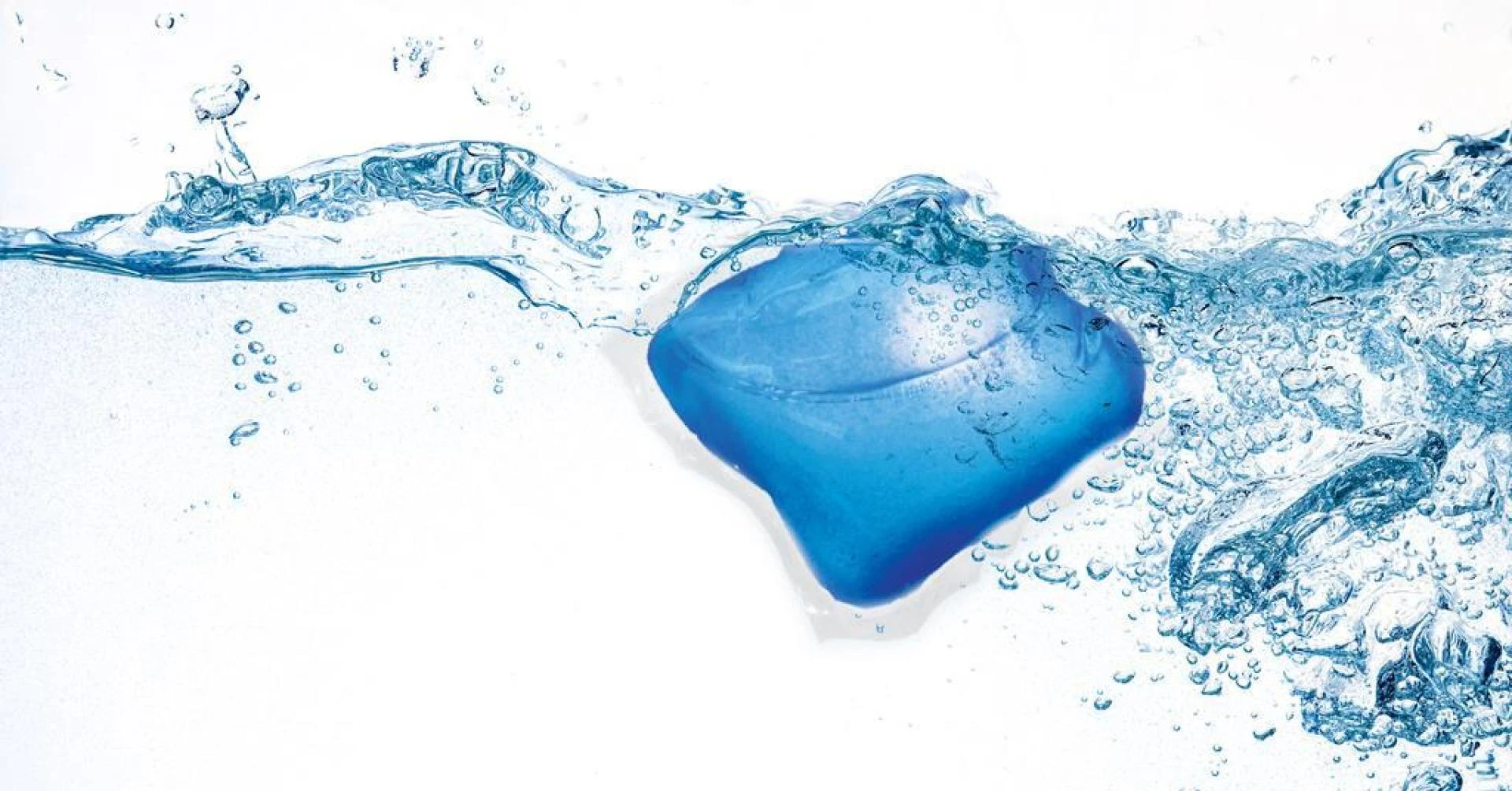

Water soluble film packaging machines have gained widespread adoption in industries such as detergents, pharmaceuticals, chemicals, and agriculture due to their ability to provide precise, eco-friendly, and safe packaging solutions. These machines are designed to work with polyvinyl alcohol (PVA) films, which dissolve completely in water, reducing plastic waste and ensuring convenient, single-use packaging. Understanding the principles and operation of these machines is essential for manufacturers looking to optimize production, maintain product quality, and implement sustainable practices.
The fundamental principle of water soluble film packaging machines is the controlled forming, filling, and sealing of delicate PVA films. Unlike traditional packaging that relies on rigid containers or non-dissolvable films, these machines handle thin, water-soluble films with precision to create individual pouches, pods, or sachets. Automation ensures consistent package size, accurate dosing, and reliable sealing, which are critical when packaging liquids, powders, or granulated products.
Components and Working Mechanism
A typical water soluble film packaging machine consists of several key components, including the film feeding system, forming unit, filling mechanism, sealing unit, and control system. The film feeding system unwinds the PVA film from rolls and ensures proper tension to prevent tearing. The forming unit shapes the film into pockets or pouches according to the desired packaging format, whether it is a flat sachet, pillow pouch, or pod.
The filling mechanism delivers precise amounts of product into each pouch. Liquid filling systems use volumetric pumps, peristaltic pumps, or servo-controlled nozzles, while powder and granule fillers employ augers or volumetric cups for accurate dosing. Once the product is dispensed, the sealing unit uses heat or pressure to create airtight seals that maintain package integrity until use. Sensors and control systems monitor each stage of operation to ensure consistency and prevent defects.
In the middle of the operational process, the Water Soluble Film Packaging Machine plays a critical role by integrating all these functions into a single automated system. These machines are equipped with programmable logic controllers (PLCs) and touch-screen human-machine interfaces (HMIs) that allow operators to adjust parameters such as filling volume, sealing temperature, film tension, and production speed. This integration ensures precise and efficient operation while minimizing waste and downtime.
Automation and Control Systems
Automation is central to the operation of water soluble film packaging machines. Modern machines are equipped with sensors to detect film position, product levels, and sealing quality. If any discrepancy is detected, the system can halt production or make real-time adjustments to prevent defective packages. Programmable logic controllers enable operators to store and recall production recipes for different products, streamlining the setup process for multiple product lines.
The control system also monitors machine performance, including motor speed, filling accuracy, and sealing consistency. Data from these systems can be used for process optimization, predictive maintenance, and quality control, ensuring high efficiency and reliable output. Automation reduces the need for manual intervention, lowers labor costs, and minimizes human error, which is especially important when handling delicate PVA films.
Applications Across Industries
Water soluble film packaging machines are versatile and applicable across multiple industries. In the detergent sector, they are used to produce single-use laundry pods and dishwashing pods with precise dosing. In agriculture, fertilizers, pesticides, and herbicides are packaged safely, reducing exposure risks for workers and ensuring accurate application rates. Pharmaceutical companies use these machines to package single-dose medications and supplements, maintaining sterility and preventing contamination. Food additives and flavorings can also be efficiently packaged in pre-measured, water-soluble pouches for convenience.
The adaptability of these machines allows manufacturers to switch between products with minimal downtime. Adjustable settings for fill volume, sealing strength, and pouch size make them suitable for both liquids and powders, ensuring consistent quality across diverse product types.
Quality Control and Maintenance
Ensuring consistent quality is critical in water soluble film packaging. Integrated sensors and inspection systems monitor the sealing process, pouch integrity, and fill accuracy. Any deviations trigger automatic corrections or alerts to the operator. Regular preventive maintenance, including cleaning, lubrication, and calibration of key components, is essential to maintain performance and prolong the machine's lifespan.
Operators must also ensure proper handling of PVA films, which are sensitive to humidity, temperature, and mechanical stress. Maintaining the right environmental conditions and storage practices prevents film damage and ensures smooth production.
Benefits of Water Soluble Film Packaging Machines
The advantages of water soluble film packaging machines include sustainability, precision, and convenience. By eliminating traditional plastic packaging, these machines reduce environmental impact. Automation ensures accurate dosing, uniform sealing, and high-speed production, improving efficiency and reducing waste. Additionally, the resulting packages are user-friendly, safe to handle, and ideal for single-use applications.
Conclusion
Water soluble film packaging machines are an innovative solution for sustainable, precise, and versatile packaging. Their operation is based on the careful handling, forming, filling, and sealing of PVA films, supported by advanced automation and control systems. By integrating these machines into production lines, manufacturers can achieve consistent quality, high efficiency, and environmental sustainability, making them a valuable investment for modern packaging operations.































Sign in to leave a comment.