Introduction
Water is the essence of life, but not all water is safe to drink. That’s where water treatment plants come into play. They ensure that the water we consume is free from harmful contaminants, making it safe for drinking, cooking, and industrial use. But how exactly do these plants function, and why are they so essential? Let’s dive in.
What Is a Water Treatment Plant?
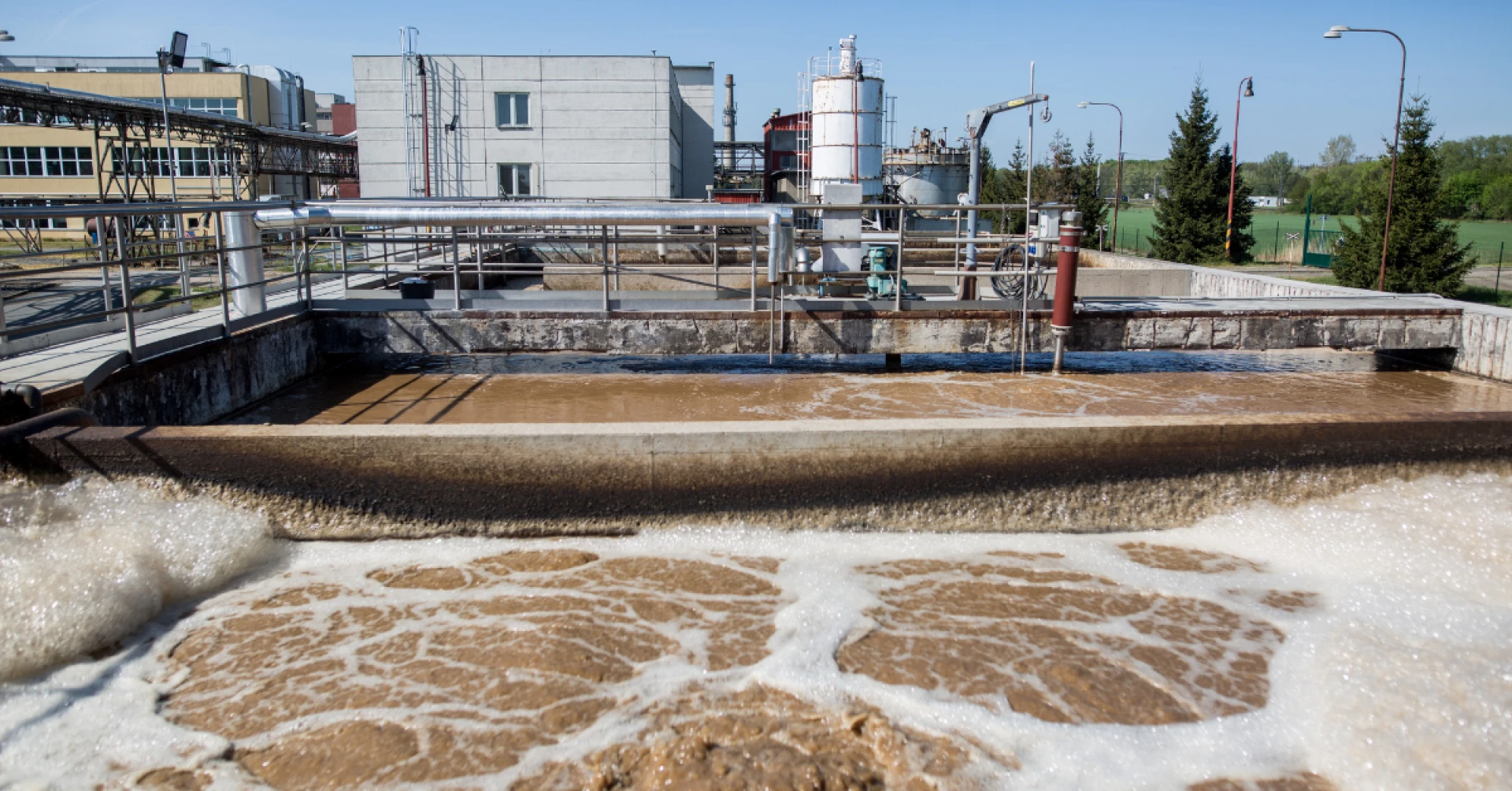
A water treatment plant is a facility designed to improve the quality of water by removing impurities, contaminants, and harmful substances. These plants treat water from various sources such as rivers, lakes, and underground reservoirs before it reaches our homes and industries.
Why Water Treatment Is Essential
Protecting Public Health
Contaminated water is a leading cause of diseases such as cholera, typhoid, and dysentery. Proper treatment removes bacteria, viruses, and hazardous chemicals, ensuring safe drinking water.
Environmental Benefits
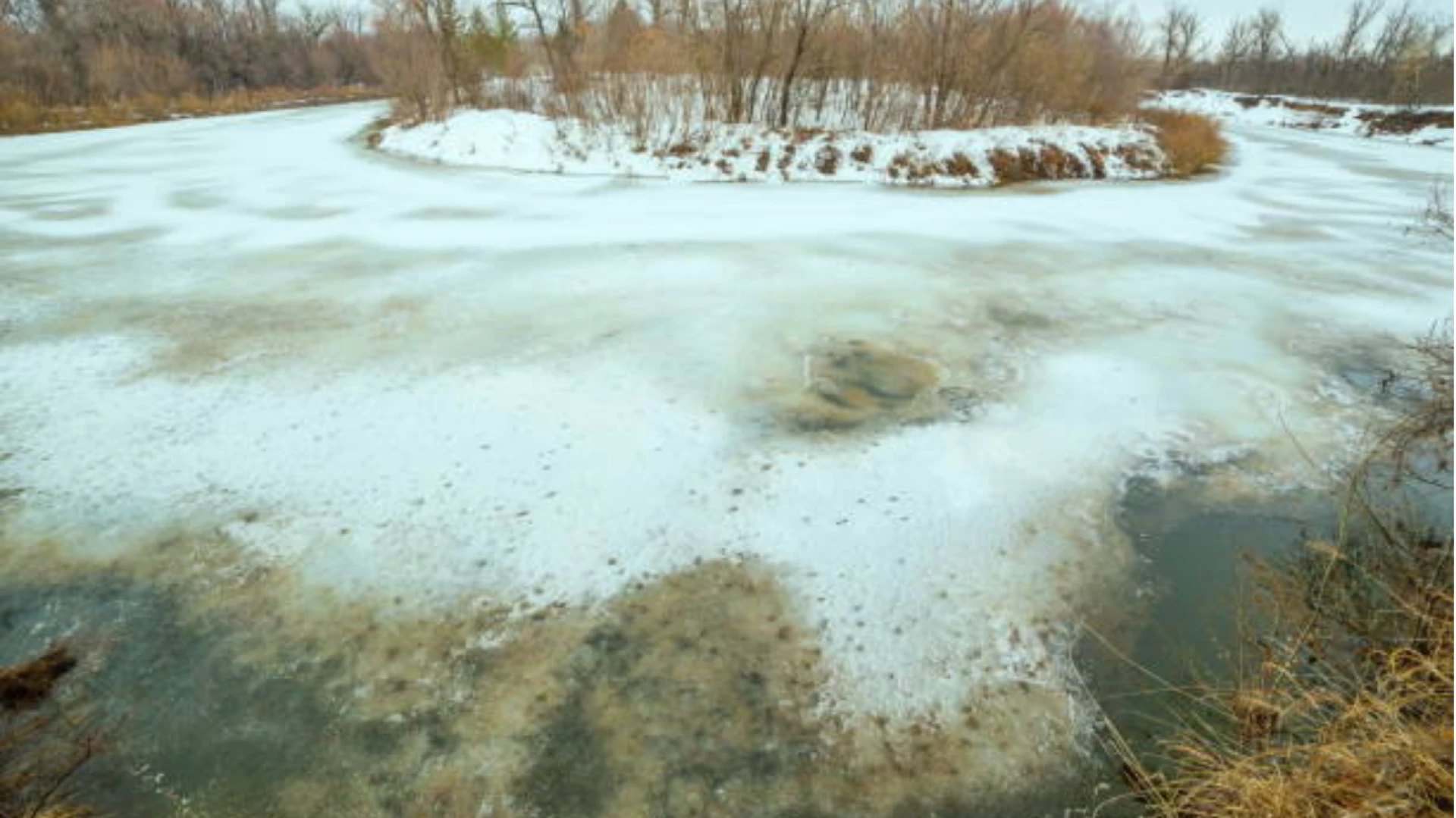
Proper wastewater treatment prevents pollution of natural water bodies, preserving aquatic life and maintaining ecological balance.
Industrial and Agricultural Significance
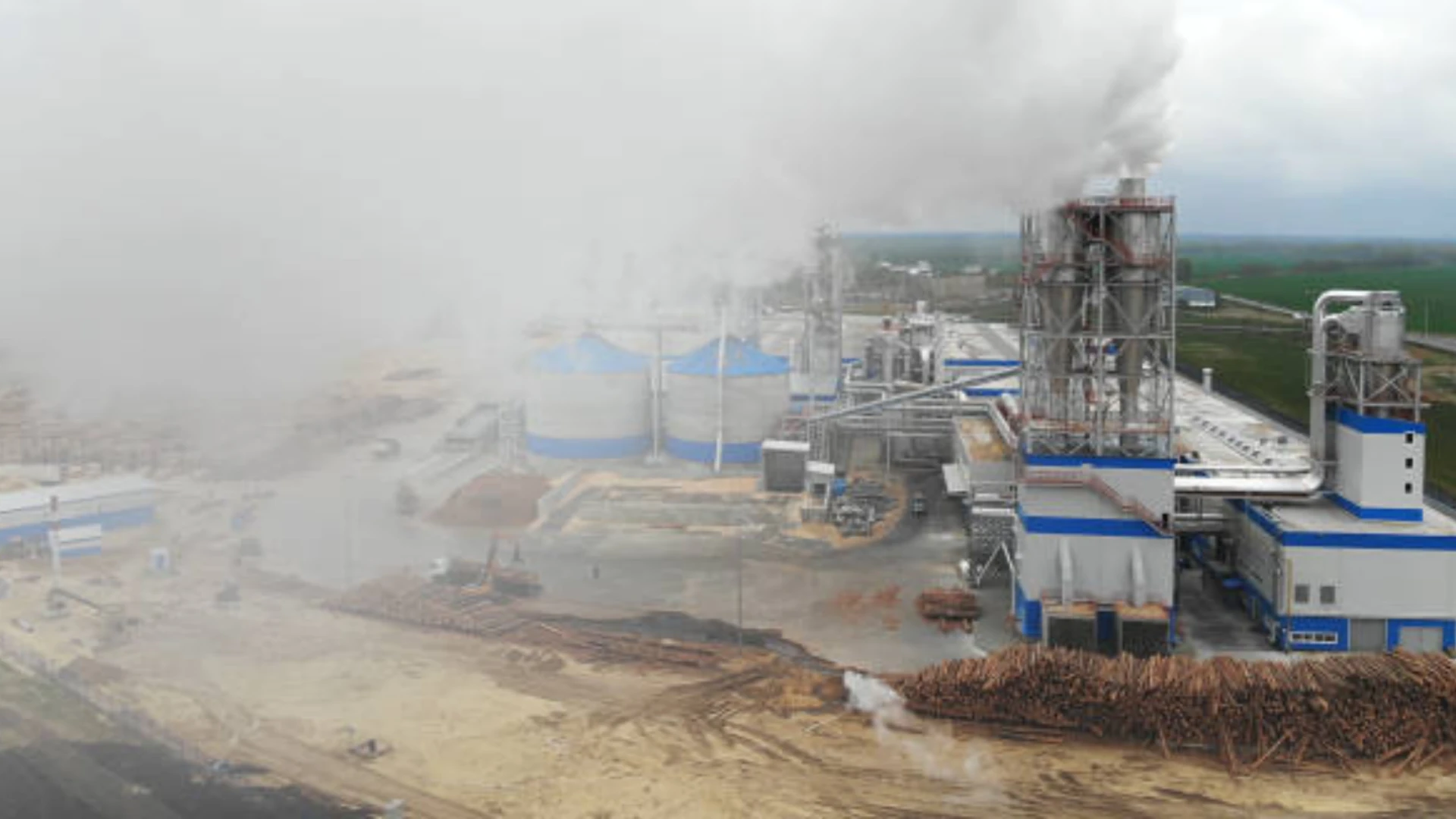
Industries require treated water for manufacturing, while agriculture depends on clean water for irrigation. Water treatment plants provide solutions for both.
Types of Water Treatment Plants
Municipal Water Treatment
These plants treat water for public consumption, ensuring that households receive clean and safe drinking water.
Industrial Water Treatment
Industries rely on water treatment to prevent damage to equipment and ensure product quality.
Wastewater Treatment Plants
Wastewater treatment plants clean sewage and industrial waste before releasing it back into the environment.
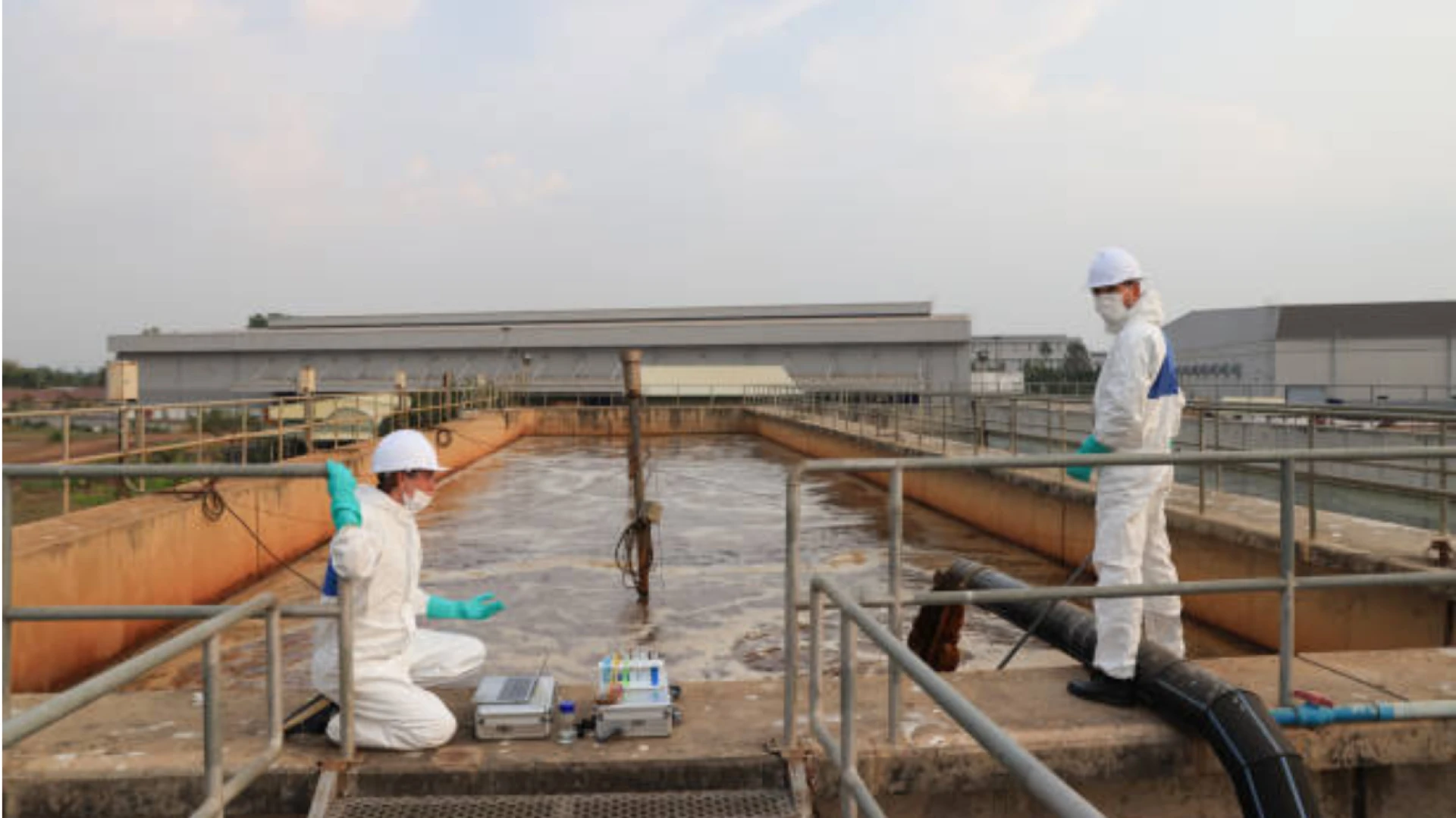
Key Stages in Water Treatment
Water treatment involves multiple stages to eliminate contaminants and ensure purity.
Step 1: Water Collection
Raw water is collected from lakes, rivers, or underground sources.
Step 2: Screening and Straining
Large debris like leaves and plastic is removed to prevent damage to treatment systems
.
Step 3: Coagulation and Flocculation
Chemicals are added to the water, causing particles to clump together for easier removal.
Step 4: Sedimentation
Heavy particles settle at the bottom of the tank, leaving clearer water at the top.
Step 5: Filtration
Water passes through layers of sand, gravel, and charcoal to remove smaller impurities.
Step 6: Disinfection
Chlorine or ultraviolet (UV) light kills remaining bacteria and viruses.
Step 7: Storage and Distribution
Clean water is stored in tanks before being distributed to homes and businesses.
Technologies Used in Water Treatment
- Reverse Osmosis: Removes dissolved salts and contaminants.
- UV Purification: Uses ultraviolet light to kill harmful microorganisms.
- Ozone Treatment: A chemical-free method that destroys bacteria and viruses.
- Activated Carbon Filtration: Removes chlorine, odors, and organic compounds.
Challenges in Water Treatment
- Water Pollution Issues: Increasing pollution makes water treatment more complex and expensive.
- Infrastructure Costs: Setting up and maintaining treatment plants requires significant investment.
- Climate Change Impact: Changing rainfall patterns and droughts affect water availability.
Future of Water Treatment
- Smart Water Technology: AI and IoT are improving water monitoring and purification processes.
- Sustainable Treatment Methods: Energy-efficient systems are reducing the environmental footprint.
- Advanced Filtration Systems: Nanotechnology and graphene-based filters are revolutionizing water treatment.
Conclusion
Clean water is a necessity, not a luxury. Water treatment plants play a vital role in ensuring safe water for all, and continued investment in technology and infrastructure is essential to meet growing demands.
FAQs:
What is the main purpose of a water treatment plant?
It removes contaminants from water to make it safe for consumption and industrial use.
How does reverse osmosis work in water treatment?
It forces water through a membrane to remove impurities, including dissolved salts and bacteria.
Why is chlorine used in water treatment?
Chlorine disinfects water by killing harmful bacteria and viruses.
What are the main contaminants removed in water treatment plants?
Bacteria, viruses, heavy metals, pesticides, and industrial chemicals.
How can individuals help ensure water safety?
Using water filters, reducing pollution, and supporting clean water initiatives


























Sign in to leave a comment.