

The beauty industry is currently undergoing a massive structural shift. If you look at the back of your favorite product, there is a high probability that the first ingredient listed is “Aqua.” In traditional formulations, water often accounts for 60% to 80% of the total volume. However, a new movement is questioning this status quo. Waterless skincare, also known as anhydrous beauty, is moving away from being a niche “eco-trend” and into the territory of a legitimate formulation upgrade. By removing the literal “filler,” brands are creating products that are more potent, more stable, and significantly more sustainable.
But is this just clever marketing, or does your skin actually benefit from losing the H2O? To understand the surge in waterless products, we have to look at the science of active density. When water is removed, it is typically replaced with botanical oils, potent extracts, or high concentrations of active ingredients. This means a single drop of a waterless serum can carry a significantly higher payload of nutrients than its water-based counterpart. For consumers, this translates to using less product to achieve the same results, effectively giving you more value per bottle while reducing the chemical load on your skin.
The Potency Problem: Why Water Dilutes Results
Water is often referred to as the “universal solvent,” and in skincare, it does exactly that it dissolves and dilutes. While water feels refreshing, its primary role in a bottle is to act as a carrier and a cheap filler to create a spreadable consistency. The downside is that water-heavy formulas require complex emulsifiers and heavy-duty preservatives. Because bacteria thrive in aquatic environments, water-based products cannot exist without a robust preservative system.
By opting for waterless formulations, brands can often eliminate or drastically reduce the need for harsh synthetic preservatives. This is a game-changer for those with a compromised skin barrier or reactive complexions. Without the constant presence of water, unstable actives like Vitamin C and Retinol remain potent for much longer. In an anhydrous environment, these ingredients are less prone to oxidation, meaning the serum you use in month six is just as effective as it was on day one.
Environmental Impact: More Than Just “Saving Water”
The sustainability argument for waterless beauty is two-fold: conservation and carbon footprint. With global water scarcity projected to affect billions, the beauty industry’s reliance on freshwater is increasingly scrutinized. Shifting to anhydrous formulas directly reduces the “water footprint” of production. However, the hidden environmental benefit lies in the logistics. Water is heavy; by removing it, products become lighter and more concentrated, requiring smaller packaging and fewer shipments.
This concentration allows for innovative, low-waste packaging solutions. Think of powder-to-foam cleansers that function as a non comedogenic face wash without the need for plastic pump bottles. A research review on anhydrous cosmetics highlights that these formulations are often gentler on the skin while simultaneously reducing the ecological footprint. For the modern consumer, waterless skincare represents a rare win-win where high performance meets high ethics.
The Formulation Upgrade: How it Changes Your Routine

Switching to waterless products does require a slight mental shift. Because these products are so concentrated, a little goes a long way. Many waterless balms work best when applied to slightly damp skin, the very water you just stepped out of the shower with acts as the vehicle for the concentrated product, allowing it to lock in moisture more effectively. This creates an occlusive seal that prevents transepidermal water loss (TEWL) far better than a thin, water-based lotion.
For those dealing with persistent issues, focusing on a Skin Barrier Repair strategy is often more effective with anhydrous products. They mimic the skin’s natural lipid structure, providing the essential fatty acids needed to “glue” skin cells back together. While water-based gels provide immediate, fleeting hydration, waterless balms provide long-term nourishment. It is the difference between a temporary fix and a structural upgrade for your complexion.
Balancing the Routine: Is Waterless for Everyone?
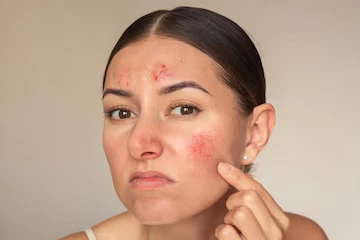
While the benefits are numerous, waterless skincare is a tool, not a total replacement for every skin type. Those with oily or acne-prone skin might find certain oil-based anhydrous products too heavy for daytime use. The key is to find the right balance. You can use a waterless balm at night and a fragrance free moisturizer during the day to ensure your skin stays balanced without feeling weighed down.
Ultimately, the move toward waterless beauty is less of a passing trend and more of an evolution in how we define quality. We are moving away from the era of oversized bottles filled with 80% water and into an era of potent, minimalist formulations. Whether you are motivated by the environmental impact or the desire for a more effective routine, the “dry” revolution offers a smarter way to care for your skin. By focusing on sebum production and inflammation control through concentrated ingredients, you ensure every drop counts.
Frequently Asked Questions
Does waterless skincare actually hydrate the skin?
Hydration refers to water content, while moisturization refers to oil and barrier protection. Waterless products are excellent at moisturizing and preventing the water already in your skin from escaping. For the best results, apply them to damp skin to trap that hydration.
Are waterless products safer for sensitive skin?
Often, yes. Because they don’t contain water, they require fewer preservatives and stabilizers, which are common triggers for irritation and allergic reactions in sensitive skin types.
Why are waterless products usually more expensive?
You are paying for a higher concentration of active ingredients. While a water-based cream is mostly inexpensive filler, every gram of a waterless product consists of high-value oils or actives. Since you use much less product per application, the cost per use is often lower over time.
Can I use waterless products if I have acne-prone skin?
Yes, but look for non-comedogenic anhydrous options. These provide the benefits of waterless formulation without the heavy, pore-clogging feel of traditional wax-based balms.


Sign in to leave a comment.