
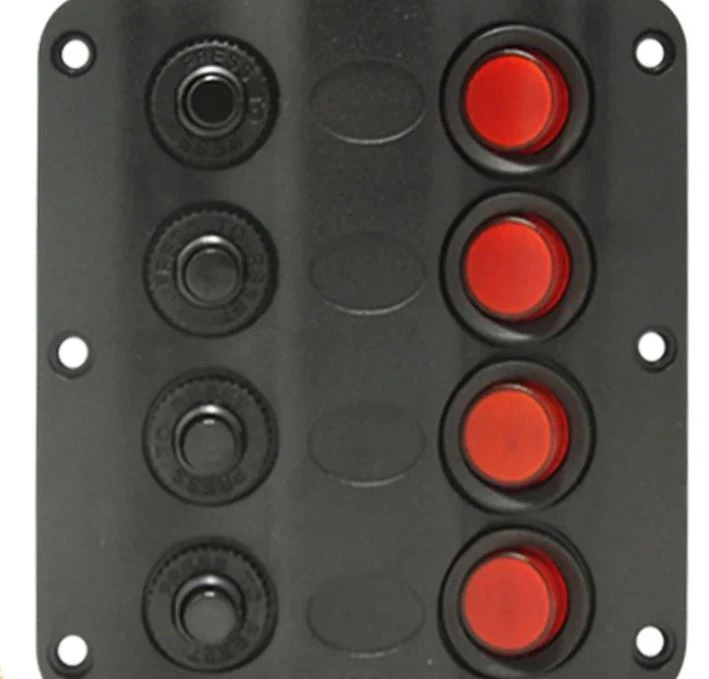
Waterproof switch panels are indispensable components in a wide array of industries, ranging from marine and automotive applications to industrial and residential environments. These panels provide a robust solution to controlling electrical circuits in conditions where exposure to water, humidity, and dust is a significant concern. This guide delves into the importance, features, applications, and considerations when choosing waterproof switch panels.
Importance of Waterproof Switch Panels
Electrical systems are vulnerable to moisture, which can cause corrosion, short circuits, and system failures. Waterproof switch panels mitigate these risks by providing an impermeable barrier against water and other contaminants. This ensures the longevity and reliability of the electrical components, reducing maintenance costs and preventing hazardous situations like electrical fires or equipment malfunctions.
Key Features of Waterproof Switch Panels
Ingress Protection (IP) Rating: The IP rating indicates the level of protection against solids and liquids. For instance, an IP67 rating means the panel is completely protected against dust ingress and can withstand immersion in water up to 1 meter for 30 minutes. Understanding the IP rating is crucial for selecting the appropriate panel for specific environmental conditions.
Material Durability: Waterproof switch panels are typically made from robust materials such as polycarbonate, stainless steel, or marine-grade aluminum. These materials offer excellent resistance to corrosion, impact, and UV radiation, ensuring durability in harsh environments.
Seal Integrity: High-quality gaskets and seals are used to prevent water ingress. These seals are often made from silicone or rubber, providing a tight fit around switches and other components.
Design and Ergonomics: Modern waterproof switch panels are designed with user-friendly interfaces, including backlit switches for visibility in low-light conditions, ergonomic layouts for ease of use, and customizable configurations to suit specific needs.
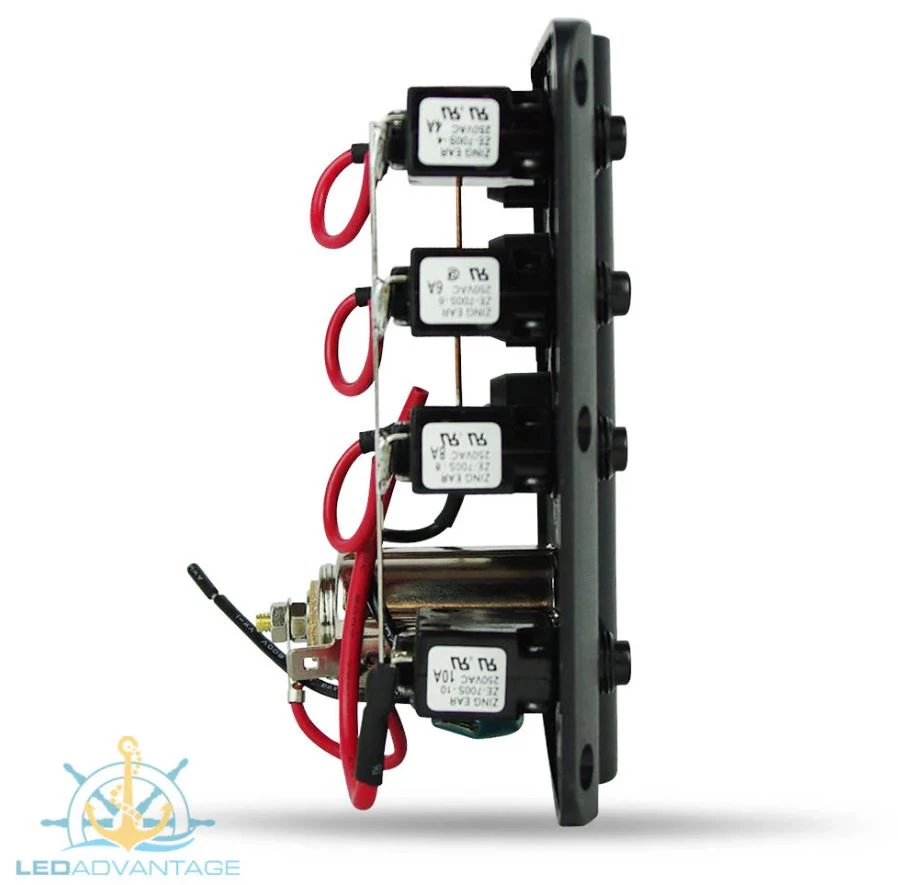
Electrical Safety: Safety features such as circuit breakers, overload protection, and grounding mechanisms are integral to waterproof switch panels, ensuring safe operation and protection of the connected devices.
Applications of Waterproof Switch Panels
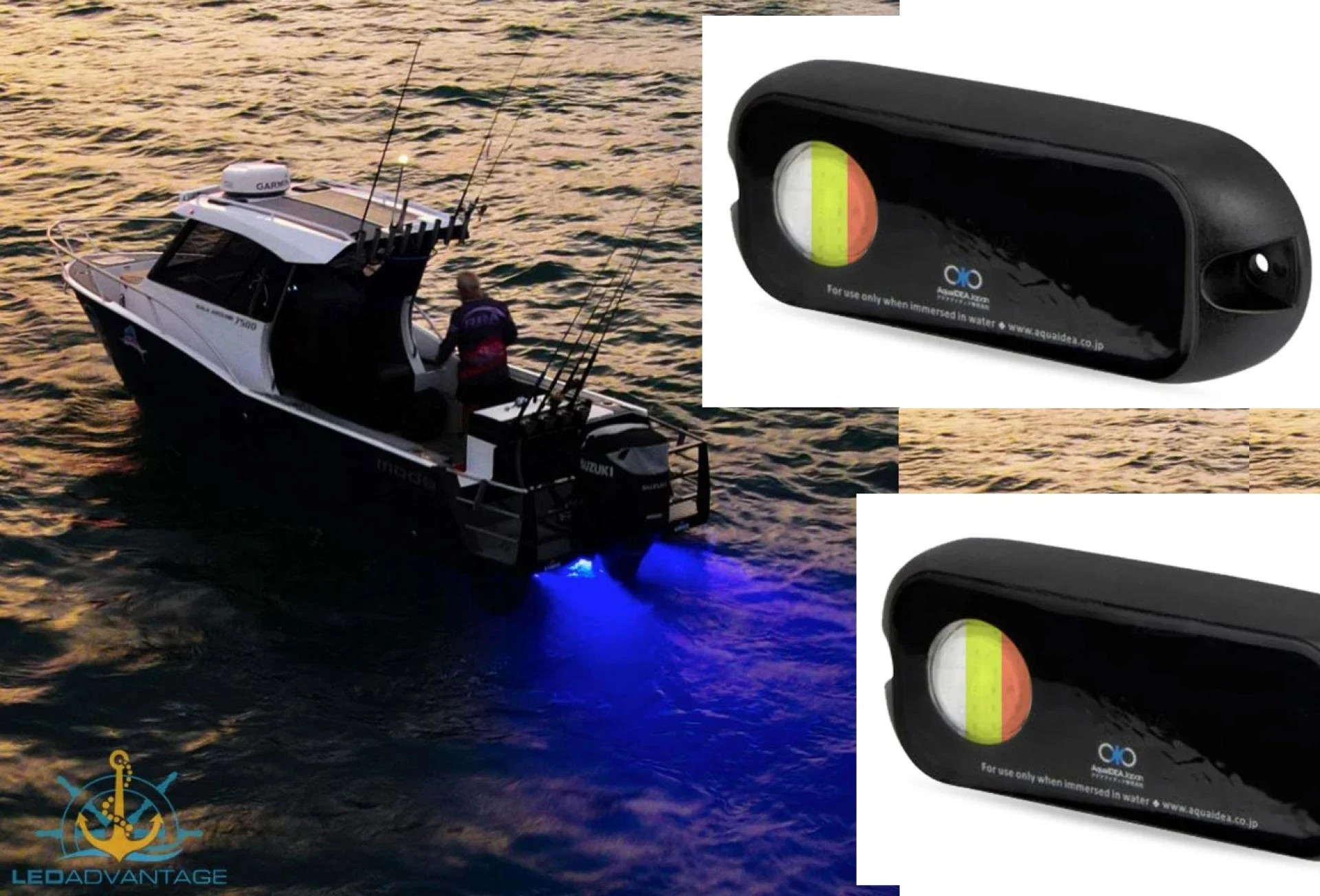
Marine Industry: Waterproof switch panels are critical in boats, yachts, and other marine vessels where exposure to water is constant. They control navigation lights, bilge pumps, and other essential electrical systems, ensuring safe and reliable operation at sea.
Automotive and Off-Road Vehicles: In vehicles like ATVs, RVs, and trucks, waterproof switch panels are used to manage auxiliary lights, winches, and other electrical accessories. Their resilience to mud, rain, and dust makes them ideal for rugged environments.
Industrial Settings: Factories and industrial plants often have environments with high moisture levels or exposure to chemicals. Waterproof switch panels in these settings ensure the safe operation of machinery and lighting systems, even under challenging conditions.
Outdoor Installations: From garden lighting to swimming pool controls, waterproof switch panels are used in various outdoor applications. Their ability to withstand weather extremes ensures consistent performance and safety.
Residential Use: In homes, especially in areas like bathrooms, kitchens, and garages, waterproof switch panels offer added safety against accidental water exposure, reducing the risk of electrical hazards.
Considerations for Choosing Waterproof Switch Panels
Environmental Conditions: Assess the specific environmental challenges, such as exposure to saltwater, chemicals, extreme temperatures, or physical impact. This will help determine the necessary IP rating and material durability.
Electrical Requirements: Consider the voltage and current ratings required for your application. Ensure the switch panel can handle the electrical load and has the appropriate safety features.
Installation Location: The location of installation affects the choice of panel. For example, marine environments might require panels with higher corrosion resistance, while industrial settings might prioritize impact resistance.
Customization Options: Depending on the complexity of the electrical system, you may need customizable switch panels with specific layouts, labeling, and additional features like LED indicators or integrated circuit breakers.
Compliance and Standards: Ensure the switch panel complies with relevant safety and industry standards, such as ISO, CE, or UL certifications. This guarantees that the product meets stringent quality and safety criteria.
Maintenance and Accessibility: Consider how easy it is to maintain and access the switch panel for repairs or upgrades. Panels with modular designs and clear labeling can simplify maintenance tasks.
Advances in Waterproof Switch Panel Technology
The evolution of waterproof switch panels has been marked by significant technological advancements aimed at enhancing performance, safety, and user experience. Some of these innovations include:
Smart Integration: Modern switch panels can integrate with smart home and industrial automation systems, allowing remote monitoring and control via mobile apps or centralized control units.
Enhanced Sealing Techniques: Advances in sealing technology have improved the reliability of waterproof switch panels. New gasket materials and sealing methods ensure better protection against water ingress.
Energy Efficiency: With the growing emphasis on sustainability, energy-efficient components such as low-power LEDs and switches with minimal standby power consumption are becoming standard in waterproof switch panels.
Modular Designs: Modular switch panels allow for easier customization and scalability. Users can add or remove switches and modules as needed, providing flexibility for changing requirements.
Aesthetic and Functional Design: Innovations in design have led to switch panels that are not only functional but also aesthetically pleasing. Sleek, modern designs with touch-sensitive controls and customizable lighting enhance the user experience.
Conclusion
Waterproof switch panels are a critical component in ensuring the safe and reliable operation of electrical systems in environments exposed to moisture and harsh conditions. Their importance spans across various industries, including marine, automotive, industrial, and residential applications. By understanding the key features, applications, and considerations for choosing waterproof switch panels, users can make informed decisions that enhance the durability, safety, and efficiency of their electrical systems.
As technology continues to advance, waterproof switch panels are becoming smarter, more efficient, and more versatile, meeting the evolving needs of modern applications. Whether you are outfitting a boat, an off-road vehicle, an industrial plant, or a home, investing in high-quality waterproof switch panels is essential for maintaining optimal performance and safety.



























Sign in to leave a comment.