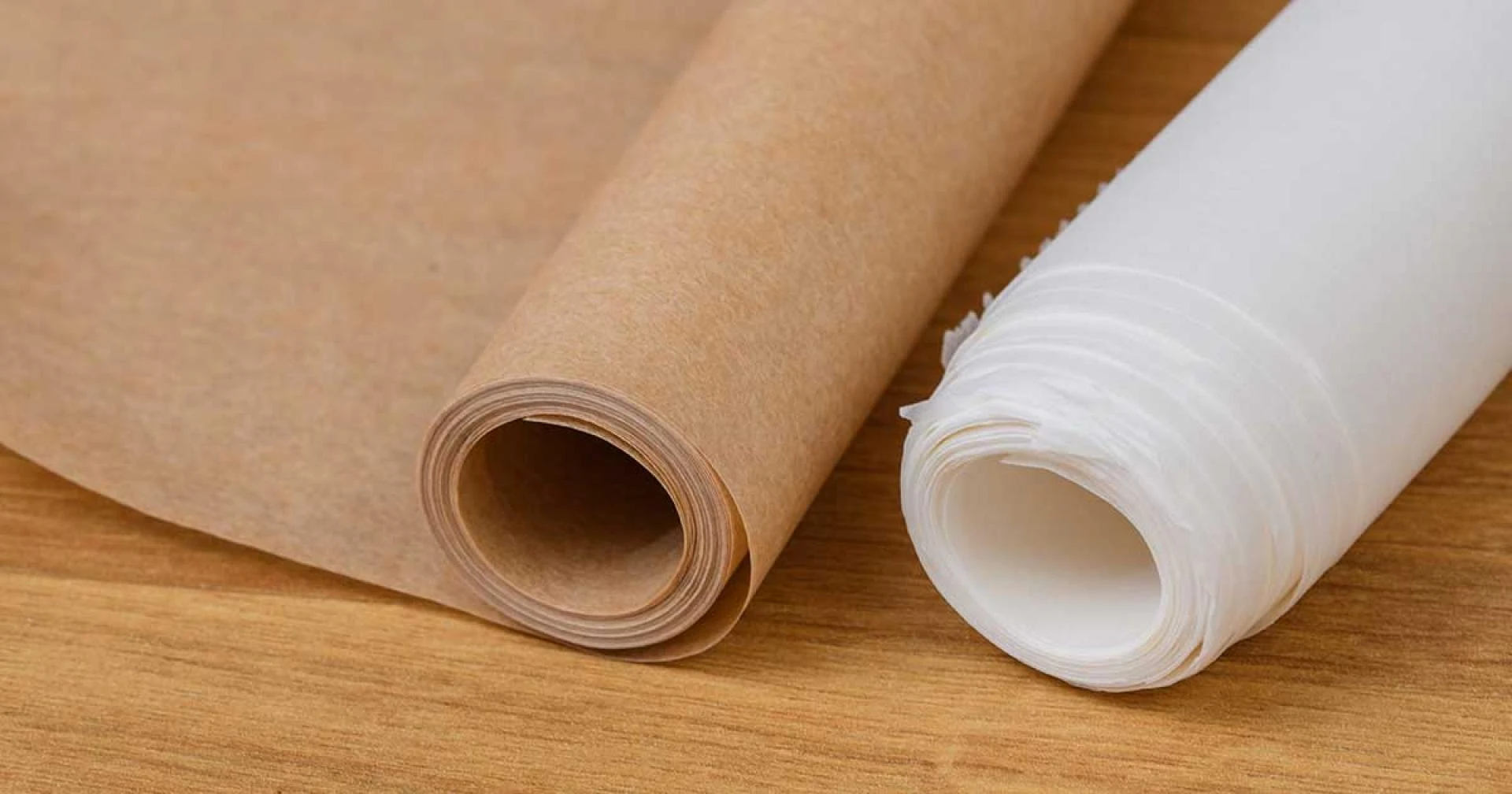

Food preservation is a crucial aspect of maintaining the freshness, flavor, and nutritional value of our food. Among various methods and materials available for this purpose, wax paper stands out as a practical and effective choice. This article explores the benefits of using wax paper in food preservation and outlines some techniques for its effective use.
What is Wax Paper?
Wax paper is a type of moisture-resistant paper that has been coated with a thin layer of wax, typically paraffin or beeswax. The coating gives the paper its unique qualities, making it suitable for various applications in the kitchen. It is often used for wrapping food items, lining baking sheets, or covering dishes in the refrigerator. While it may not be as commonly discussed as plastic wrap or aluminum foil, wax paper has its own set of advantages that make it a valuable tool for food preservation.
Benefits of Using Wax Paper
1. Moisture Resistance
One of the primary benefits of wax paper is its moisture-resistant properties. The wax coating prevents moisture from escaping or entering, which helps keep food items fresh for longer periods. This is particularly useful for wrapping sandwiches, cheese, and other perishables that can dry out or become soggy if exposed to air.
2. Chemical Safety
Unlike some plastic wraps that may leach harmful chemicals into food, wax paper is generally considered safe for food contact. The wax used in the coating is food-grade and does not pose any health risks. This makes wax paper a safer choice for storing food, especially for those who are concerned about chemical exposure.
3. Eco-Friendly Option
With growing awareness about environmental issues, many people are looking for sustainable alternatives to plastic. Wax paper is a more eco-friendly option as it is biodegradable and can be composted. By choosing wax paper for food preservation, individuals can reduce their reliance on single-use plastics and contribute to a healthier planet.
4. Versatility
Wax paper is versatile and can be used in various ways in the kitchen. It is ideal for wrapping sandwiches, lining baking trays, and even making food packets for steaming or baking. Its versatility makes it a handy tool for anyone who enjoys cooking or meal prepping.
5. Easy to Use
Using wax paper is straightforward and requires no special skills or tools. Simply cut the desired amount of wax paper, place the food item in the center, and fold the paper over to seal it. This ease of use makes it an accessible option for everyone, from novice cooks to seasoned chefs.
Techniques for Using Wax Paper in Food Preservation
1. Wrapping Food Items
One of the simplest and most effective ways to use wax paper is for wrapping food items. This technique is particularly useful for sandwiches, cheese, and fruits. Here’s how to do it:
- Step 1: Cut a piece of wax paper large enough to completely encase the food item.
- Step 2: Place the food in the center of the wax paper.
- Step 3: Fold the sides of the paper over the food, then fold the ends to secure it tightly.
- Step 4: Store the wrapped food in the refrigerator or at room temperature, depending on the item.
This method helps keep the food fresh while preventing it from absorbing odors from other items in the fridge.
2. Lining Baking Sheets
Wax paper can also be used to line baking sheets when preparing cookies or pastries. While it is not suitable for high-heat baking, it works well for no-bake recipes or when cooling baked goods. Here’s how to use it effectively:
- Step 1: Cut a piece of wax paper to fit the size of your baking sheet.
- Step 2: Place the wax paper on the baking sheet before adding your dough or batter.
- Step 3: Once baked, allow the goods to cool on the wax paper before transferring them to a wire rack.
This technique prevents sticking and makes cleanup a breeze.
3. Making Food Packets
Another innovative use of wax paper is to create food packets for steaming or baking. This technique is commonly used for cooking fish or vegetables. Here’s how to do it:
- Step 1: Cut a large piece of wax paper, about two feet in length.
- Step 2: Place your food items in the center, adding any desired seasonings or sauces.
- Step 3: Fold the sides of the wax paper over the food, then fold the ends to seal the packet securely.
- Step 4: Place the packet in a steamer or oven, following the cooking instructions for your specific recipe.
The wax paper helps retain moisture and flavor while cooking, resulting in a delicious and healthy meal.
4. Covering Dishes
When refrigerating leftovers, covering dishes with wax paper can help prevent contamination and maintain freshness. This is particularly useful for foods that can dry out easily. Here’s how to do it:
- Step 1: Tear off a piece of wax paper large enough to cover the dish completely.
- Step 2: Place the wax paper over the dish, ensuring it covers the edges.
- Step 3: For added security, you can place a rubber band around the dish to hold the wax paper in place.
This technique provides a simple yet effective way to keep food fresh without the need for plastic wrap.
5. Separating Layers
When storing baked goods or other items that can stick together, using wax paper to separate layers can be very helpful. This method is great for cookies, cakes, and other treats. Here’s how to do it:
- Step 1: Cut pieces of wax paper to fit between layers of your food item.
- Step 2: Place a piece of wax paper between the layers as you stack them.
- Step 3: Store the layered food in an airtight container to maintain freshness.
This technique prevents sticking and makes it easy to enjoy your treats without damaging them.
Limitations of Wax Paper
While wax paper has many advantages, it’s essential to recognize its limitations. Wax paper is not heat-resistant and should not be used in the oven or microwave, as it can melt or catch fire. Additionally, it is not suitable for storing liquids or moist foods for extended periods, as it may not provide a complete seal.
Conclusion
Wax paper is a valuable tool in food preservation, offering numerous benefits such as moisture resistance, chemical safety, and versatility. With simple techniques for wrapping, lining, and covering food items, it can help maintain freshness and flavor while reducing reliance on plastic. As more people seek sustainable and eco-friendly options in their kitchens, wax paper stands out as a practical alternative. By incorporating wax paper into food preservation practices, individuals can enjoy fresher food while contributing to a healthier environment.




























Sign in to leave a comment.