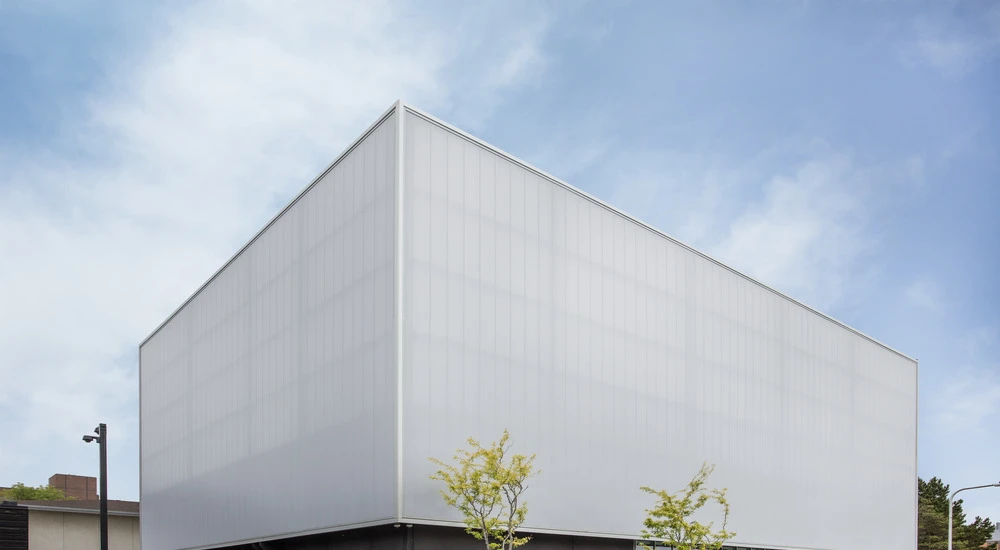

Polycarbonate cladding has become a popular choice in the construction industry, offering a myriad of benefits. Among its many advantages, its exceptional weather resistance and durability stand out. In this blog, we will delve into the remarkable qualities of Danpal's Polycarbonate Cladding Systems, showcasing their ability to withstand the harshest of elements and their commitment to environmental sustainability.
Impact Resistance of Danpalon® Cladding Panels
Compliance with AS1562-3 Standards
One of the key aspects of weather resistance is impact resistance. Danpalon® opaque cladding panels excel in this regard, complying with AS1562-3 standards, which are known for their stringent requirements. This means that Danpalon® panels can withstand severe impact tests, ensuring the safety and longevity of your building.
Hail Damage and Small Object Impact Resistance
Hailstorms can be a destructive force, especially in regions prone to severe weather. Danpal's polycarbonate cladding panels, with their uniquely dense cell structure, offer the best protection against hail damage and impacts from small objects. This level of impact resistance is a testament to the durability of Danpalon® panels.
Elimination of Safety Mesh Requirement
Traditionally, safety mesh was required under cladding systems to prevent falling debris. However, Danpalon® polycarbonate cladding is so robust that they eliminate the need for safety mesh. This not only simplifies installation but also reduces costs, making Danpal's systems a practical and cost-effective choice for your project.
Weatherproofing in Danpal Cladding Systems
Resistance to Air and Water Penetration
When it comes to weather resistance, air and water penetration are significant concerns. Danpal's single and double-layered configurations have demonstrated exceptional resistance to both. Through a series of permeability tests, Danpal translucent polycarbonate cladding systems consistently provide an effective barrier against the elements.
Watertight Solutions with Danpalon® Standing Seam Connection
Danpalon® opaque cladding panels employ a proprietary standing seam connection method. This innovative approach ensures that every installation is completely watertight. This feature is particularly valuable in regions with heavy rainfall or in buildings where protection from water ingress is vital.
Environmentally Friendly and Sustainable Practices
ISO9001 and ISO14001 Compliance
Sustainability is a paramount consideration in today's construction industry. All Danpal polycarbonate cladding systems are manufactured according to ISO9001 and ISO14001 standards. These certifications reflect Danpal's commitment to environmental responsibility, ensuring that their products meet stringent quality and environmental management criteria.
Adaptability to Variable Climatic Conditions
Danpal cladding systems are designed to adapt to variable climatic conditions, making them a sensible choice for projects in different geographic regions. The flexibility to manage available light contributes to energy efficiency and sustainability, aligning with the HQE approach in Europe, which emphasises building certification
.
Partnership with ADEME and CNRS for Thermal Performance Validation
To further validate the thermal performance of Danpal's Danpatherm® system, Danpal has partnered with respected institutions like the ADEME (Agency for Economic Development and Energy Control) and the CNRS (National Centre for Scientific Research). Precise measurements conducted in test cells confirm the system's exceptional thermal properties, making it a reliable choice for projects focused on energy efficiency.
Simplified Maintenance and Low On-Site Waste
High-Pressure Cleaning with Fresh Water
Danpal products simplify maintenance by allowing high-pressure cleaning with fresh water, reducing the need for harsh chemicals. This not only improves the longevity of the cladding but also minimises the environmental impact.
Prefabricated Systems to Minimise Waste
Danpal often delivers pre-fabricated systems, minimising on-site fabrication and waste. This approach is not only more efficient but also environmentally responsible, reducing the project's carbon footprint.
Recyclability of Production Waste
Even waste generated during production is managed responsibly. Danpalon® translucent polycarbonate cladding panels are manufactured from up to 30% recycled material, and any production waste is 100% recyclable. This approach ensures that the environmental impact is kept to a minimum throughout the product's lifecycle.
UV and UPF Sun Protection in Danpalon® Panels
Accreditation by ARPANSA for UVR Protection
Protection from UV radiation is a critical aspect of weather resistance. Danpalon® opaque cladding panels have been tested by the Australian Government's primary authority on radiation protection and nuclear safety and are accredited with 99.9% UVR Protection.
Danpalon® Microcell Panels and UV Protection Technology
Danpalon® Microcell panels are manufactured from the highest quality resin and are co-extruded with market-leading UV protection technology invented by Danpal. This innovation ensures that your building remains protected from the harmful effects of UV radiation, contributing to the long-term durability of the cladding.
Conclusion
In the world of construction, where weather resistance and durability are paramount, Danpal's Polycarbonate Cladding Systems shine. From impact resistance to weatherproofing and sustainability, Danpal has proven its commitment to providing top-notch cladding solutions. With their dedication to excellence, Danpal encourages you to choose their cladding systems for a building that will stand the test of time, ensuring a secure, eco-friendly, and sustainable structure for years to come.
Danpal Australia - Polycarbonate Architecture
Phone: 02 9475 2000
Email: [email protected]
Website: https://danpal.com.au/
Address: Unit 11, 4-6 Junction Street Auburn NSW 2144
Hours: Mon-Fri 8:30 AM - 5:00 PM
Sign in to leave a comment.