Website Development vs. Website Design: Understanding the Difference

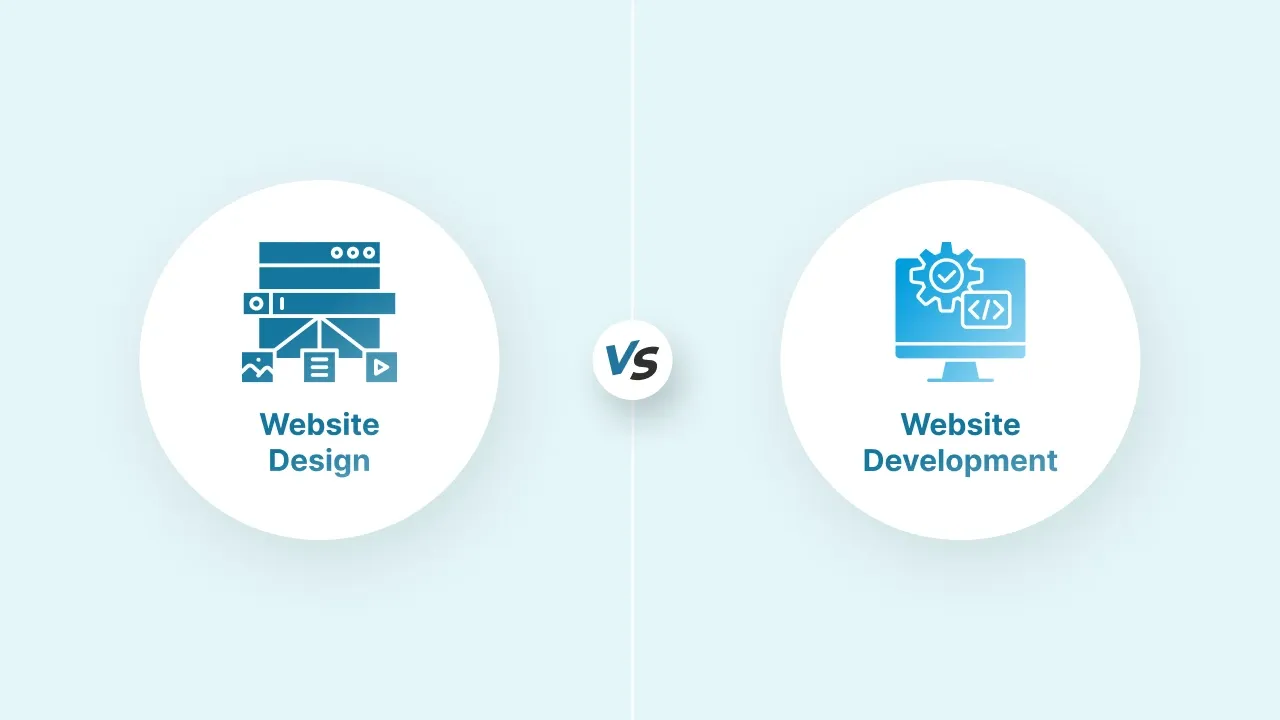
A successful website is more than an attractive collection of pages. It needs to look professional, provide a smooth user experience, and function reliably across different devices. However, many businesses confuse website design with website development, assuming both involve the same work. While these two disciplines are closely connected, they serve different purposes in building an effective online presence. Understanding the difference can help businesses make better decisions when planning a new website or improving an existing one. This article explains how website design and development work together to create a website that supports business growth.
1. What Is Website Design and Why Does It Matter?
Website design focuses on how a website looks and how visitors interact with it. It involves creating an attractive, organised, and user-friendly interface that makes information easy to find.
A website designer considers several visual and usability elements, including:
- Layout and structure: Organising content, images, menus, and sections logically.
- Colour schemes and typography: Maintaining visual consistency and brand identity.
- User experience (UX): Making navigation simple and interactions convenient.
- Responsive design: Ensuring the website displays correctly on desktops, tablets, and smartphones.
For example, an online clothing store needs clear product images, easy-to-use filters, readable descriptions, and visible shopping buttons. These design decisions help visitors browse products and move towards making a purchase.
Good website design also supports credibility. A confusing layout or outdated appearance can discourage visitors from exploring a business further.
2. What Is Website Development and How Does It Work?
Website development focuses on building the technical foundation that makes a website function. Developers turn design concepts and layouts into working web pages using programming languages, frameworks, databases, and other technologies.
Website development generally includes two main areas:
- Front-end development: Creates the parts of a website visitors see and interact with, using technologies such as HTML, CSS, and JavaScript.
- Back-end development: Handles server operations, databases, authentication, payment processing, and other behind-the-scenes functions.
For instance, when a customer adds a product to their shopping cart, the website's development system processes that action, updates the cart, and manages the information required for checkout.
Developers also focus on website speed, security, functionality, mobile compatibility, and technical performance. These elements are essential for delivering a reliable online experience.
Businesses planning a new online presence should consider professional website development services to ensure their website is technically sound, scalable, and ready to support future requirements.
3. Website Design vs. Website Development: Key Differences
Although website design and development work towards the same goal, their responsibilities are different.
Here are the main differences:
- Primary focus: Design concentrates on appearance and usability, while development focuses on functionality and technical performance.
- Tools and technologies: Designers commonly use tools such as Figma and Adobe XD. Developers work with programming languages, frameworks, and content management systems.
- Main responsibilities: Designers create layouts, visual elements, and user journeys. Developers build features, integrations, and website functionality.
- Project outcomes: Design produces visual concepts and interface layouts, whereas development turns those concepts into a working website.
Consider a business website with an online enquiry form. The designer determines how the form looks, where it appears, and how users interact with it. The developer makes sure the form collects information correctly and sends enquiries to the appropriate destination.
Neither discipline can fully replace the other. A visually appealing website with broken features will frustrate visitors, while a technically advanced website with poor design may struggle to engage them.
For the best results, businesses should approach both areas as complementary parts of a complete website strategy. Combining thoughtful website design with reliable development creates a stronger foundation for online growth.
Conclusion
Website design and website development have different responsibilities, but both are essential for building a successful online presence. Design makes a website attractive and easy to use, while development ensures that its features work smoothly and reliably. Businesses should consider both aspects before investing in a new website or redesigning an existing one.
Here are four practical takeaways:
- Define your website goals before starting the project.
- Prioritise user experience and mobile-friendly design.
- Choose reliable development technologies that support future growth.
- Test website functionality, speed, security, and navigation before launch.
With the right digital strategy, FutureBuzz can help businesses understand their online requirements and make informed decisions about their digital presence. Investing in the right combination of design and development today can create better opportunities for tomorrow.



Sign in to leave a comment.