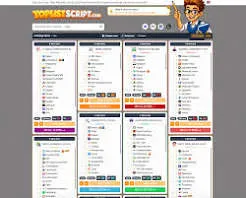

A website directory script is a practical tool for building an online platform where visitors can discover websites, businesses, services, blogs, tools, or niche resources. Instead of manually creating pages for every listing, a directory script gives you a ready-made system for organizing submissions, publishing approved links, managing categories, and maintaining an easy-to-use directory.
Website directories can serve many purposes. You may create a local business directory for a city, a niche directory for technology tools, a blog directory for writers, a gaming community listing site, or a resource platform for online services. The most successful directories focus on a specific audience and offer useful, well-organized information that visitors cannot easily find elsewhere.
A directory website can also become a long-term digital asset. With high-quality listings, regular updates, good search engine optimization, and suitable monetization, it can attract visitors, help businesses gain visibility, and generate income.
What Is a Website Directory Script?
A website directory script is web software designed to manage collections of website links and business listings. It usually includes public pages for visitors and an admin dashboard for the website owner. Through the admin area, you can approve submissions, create categories, edit listings, remove spam, manage users, and monitor directory activity.
Users can submit their websites using a listing form. Depending on the script configuration, they may add a title, web address, description, logo, category, contact details, social profiles, location, and other useful information. Once submitted, the listing can be reviewed by an administrator before being published.
This structured process makes it easier to run a directory professionally. Rather than handling each listing through email or creating individual pages manually, you can manage everything from one central dashboard.
Why Build a Website Directory?
A directory platform provides benefits for both the people searching for information and the businesses or website owners being listed. Visitors can quickly browse categorized resources, while listed websites may receive referral visits and improved online exposure.
There are many reasons to create a directory website:
- Build a trusted collection of useful online resources.
- Help local customers find nearby businesses and services.
- Create an industry-specific platform for professionals.
- Develop a community resource around a hobby or interest.
- Earn income from paid listings and advertising.
- Attract targeted traffic through category pages and content.
- Provide businesses with a simple way to promote themselves.
A niche-focused strategy is usually the strongest approach. For instance, a directory that lists only web design agencies, pet services, fitness coaches, travel blogs, or software tools can offer more relevant results than a general directory containing unrelated links.
Important Features to Consider
When selecting a directory solution, look for features that improve administration, user experience, and future growth. A good system should be simple for visitors while giving the administrator full control over submitted content.
Categories and Subcategories: A clear category structure makes browsing easier. Subcategories allow you to organize larger directories without overwhelming visitors.
Submission Management: Website owners should be able to submit links through a clear form. The script should collect the information you need while preventing incomplete submissions.
Manual Approval: Admin approval is essential for maintaining standards. It allows you to reject spam, misleading websites, broken links, and irrelevant entries.
Search Features: Visitors should be able to search the directory by keyword, website name, service, or category. Search and filtering tools become increasingly important as listings grow.
Responsive Design: Many users browse directories from mobile devices. A responsive layout ensures that category pages, listing forms, and search features work well on all screen sizes.
SEO Tools: Search-engine-friendly URLs, editable meta tags, category descriptions, and properly structured listing pages can help your directory gain visibility in search results.
Featured Listings: Paid featured positions give businesses additional exposure. This is a valuable monetization feature for directories that receive steady targeted traffic.
User Accounts: Member dashboards allow users to update their own listings, check approval status, renew premium placements, and manage account information.
How to Monetize a Website Directory
A directory can generate revenue in several ways. The best approach depends on your niche, audience, and the value you provide to listed businesses. Many directory owners start with free basic listings to grow their database and later introduce premium options.
Featured listings are one of the most common revenue methods. Businesses can pay to appear at the top of search results or category pages. You may also offer highlighted profiles, extra images, expanded descriptions, homepage placement, and priority review.
Other monetization options include banner advertisements, sponsored categories, newsletter promotions, affiliate offers, lead-generation packages, and recurring memberships. A local directory can sell promotional packages to businesses that want to reach customers in a particular area.
Always make paid placements clear to visitors. Transparency supports trust and helps your directory remain a credible resource rather than simply an advertising platform.
Best Practices for Directory Growth
Launching the site is only the beginning. A successful directory requires regular attention and quality control. Review submissions carefully, verify URLs, and remove listings that become inactive or irrelevant. Broken links and spam can quickly damage visitor trust.
Create clear submission guidelines. Explain which types of websites are accepted, which categories should be used, and what content is prohibited. This reduces low-quality submissions and helps users complete forms correctly.
You should also create valuable written content around your niche. For example, publish guides, reviews, news updates, and comparison articles that relate to your listed businesses or resources. This can provide additional value for visitors and support long-term search traffic.
Promote the directory through social media, niche forums, email outreach, partnerships, and industry communities. Encourage listed businesses to share their directory profile, which can bring new visitors and submissions.
Frequently Asked Questions
What can I list in a website directory?
You can list websites, local businesses, online tools, blogs, service providers, products, organizations, professionals, and other resources relevant to your target niche.
Do I need technical skills to run a directory?
Basic website and hosting knowledge is useful, but most directory scripts include administration panels that make daily tasks such as approving listings and managing categories straightforward.
How do I reduce spam submissions?
Use manual approval, CAPTCHA protection, email verification, clear submission rules, and regular monitoring. Never automatically publish every submitted link.
Can I make money from a directory website?
Yes. Popular methods include paid featured listings, sponsored placements, advertisements, affiliate marketing, memberships, and lead generation.
Should I create a general or niche directory?
A niche directory is usually easier to market and more valuable to a specific audience. It helps you build authority and provide more relevant listings.
Conclusion
A website directory script provides an efficient foundation for launching a structured online listing platform. It can help you manage submissions, organize categories, review listings, support visitors, and create revenue opportunities without building every feature from the beginning. By choosing a focused niche, maintaining strict quality standards, and consistently promoting useful resources, you can build a directory website that becomes a trusted destination for your audience.





















Sign in to leave a comment.