

The drink line tells a story before anyone gives a toast.
At one wedding, guests drift toward the bar right after the ceremony, still smiling from the vows. Someone asks for a spritz. Someone else wants water with citrus. A parent looks for wine. A friend wants something alcohol free but still pretty enough for the photo.
That small corner of the reception suddenly becomes more than a drink station. It becomes the place where guests settle in, talk, laugh, and feel the mood of the evening.
That is why a Wedding Bar Planning Guide matters. A wedding bar is not only about bottles, mixers, and glassware. It is about timing, guest comfort, venue rules, menu flow, and the kind of memory the couple wants people to carry home. The planning lens here is simple: parties of all sorts need a bar that supports the mood, the pace, and the people in the room.
Key Takeaways
• A strong bar plan starts with the guest list, not the drink list.
• Budget choices should include staff, setup, mixers, ice, service time, and cleanup.
• San Jose venues may have different rules for alcohol, catering, and setup areas.
• A simple cocktail menu often feels smoother than an oversized one.
Before The First Pour Begins
A wedding bar plan should answer one clear question: what should guests feel when they walk up to order?
Calm? Festive? Formal? Casual? Bright and summery? Elegant and quiet?
The answer shapes everything. A garden ceremony may need a refreshing cocktail, sparkling water, and a light wine option. A city reception may call for polished bartenders, a compact menu, and a bar that looks clean in photos. A backyard celebration may need ice planning, shade, backup tables, and easy waste handling.
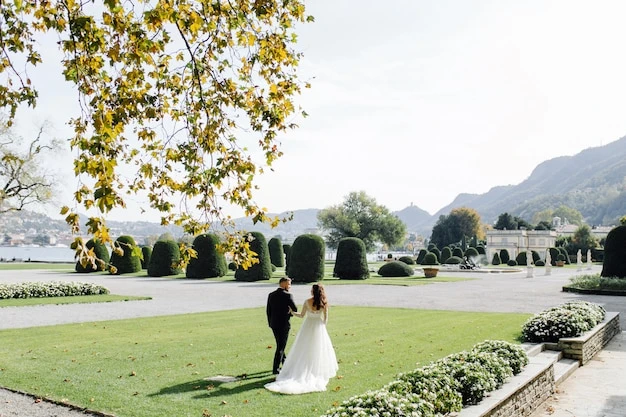
San Jose weddings can also vary widely by setting. City park wedding locations include garden spaces, community center halls, and outdoor environments, and the City of San José notes that it offers over a half dozen distinctive outdoor environments for wedding settings.
That venue variety is beautiful, but it also changes the bar plan. Outdoor sites need weather thinking. Historic or public spaces may need stricter setup guidance. Banquet halls may already have kitchen access, preferred vendors, or service rules.
The couple does not need to become an event planner. They only need a practical map.
What Should The Bar Include?
A good wedding bar setup includes the things guests notice and the things they never should have to notice.
Guests notice the menu, the bartender’s energy, the line length, the garnish, the glass, and whether their drink feels worth holding. They should not have to notice missing ice, unclear signage, warm mixers, slow service, or a cluttered back bar.
A complete reception bar plan usually includes:
- A clear drink menu
- Alcohol and alcohol free choices
- Bartending tools and service supplies
- Ice, garnishes, mixers, and water
- A setup area with good guest flow
- Cleanup and end of event handling
The alcohol side also needs care. In California, the Department of Alcoholic Beverage Control states that catering events requiring authorization must be approved and may require property owner approval, law enforcement approval, or a clear supplemental diagram of the event area.
That does not mean every private celebration follows the same process. It means couples should check venue rules early and confirm how alcohol service will be handled before deposits, menus, or shopping lists become final.
How Should Couples Budget Wisely?
Budget planning gets messy when couples only ask, “How much are the drinks?”
A better question is, “What does the bar need to run well?”
The bar budget may include alcohol, mixers, fresh ingredients, ice, glassware or cups, napkins, bartenders, mobile bar setup, travel, service hours, menu planning, permits where applicable, cleanup, and gratuity policies. Some couples provide alcohol themselves. Others prefer a more complete service. Some choose beer and wine only. Others want cocktails, mocktails, champagne, and a photo-ready setup.
The smart move is to build the budget around service style.
A small reception with a short menu may not need a wide selection. A larger celebration with guests arriving in waves may need more staff and faster drinks. A cocktail hour before dinner may require different pacing than a late-night bar after dancing begins.
A bar that looks cheaper on paper can become costly when missing items are added later. A bar that seems larger at first may save time if it includes planning, setup, service, and cleanup.
Wedding Bar Planning Guide For Local Venues
San Jose couples should think about the venue before they fall in love with a cocktail idea.
A drink with smoke, flames, delicate herbs, or a slow build may look amazing online, but it may not fit a fast reception line. A bar cart may look charming, but it may not work if the venue has uneven ground. A champagne tower may feel elegant, but it needs space, stability, staff attention, and the right timing.
Local planning comes down to four quiet details:
• Access: Can the bar team load in easily?
• Power: Does the setup need electricity?
• Water: Is water nearby, or should it be planned separately?
• Flow: Will guests crowd the dance floor, entryway, or catering area?
The bar should sit where guests can find it without creating a bottleneck. It should also have enough room behind it for bartenders to work safely and quickly.
A pretty bar in the wrong place can slow down the whole reception. A simple bar in the right place can keep the evening moving.
Cocktails That Match The Mood
The best cocktail menu does not try to impress everyone with endless options.
It gives guests a few good choices and makes those choices feel intentional. A balanced wedding drink menu may include one bright cocktail, one deeper or spirit-forward drink, one sparkling option, one wine choice, and one alcohol free drink with real flavor.
Couples can also name drinks around their story. A drink inspired by the proposal city. A citrus cocktail for a summer garden ceremony. A botanical gin drink for a formal evening. A sunset colored spritz for an outdoor reception.
The trick is restraint.
Too many signature cocktails can slow down the bar and confuse guests. Too few options can make the menu feel flat. The sweet spot is a short menu that matches the season, venue, and guest mix.
| Bar Decision | Best Fit | Planning Cue | Common Mistake |
| Beer And Wine | Simple receptions and casual guest groups | Use when speed matters more than variety | Forgetting alcohol free choices |
| Signature Cocktails | Personalized weddings with a clear theme | Choose drinks that can be made quickly | Picking complex recipes that slow service |
| Full Mixed Bar | Larger receptions with varied preferences | Plan staff and supplies carefully | Offering too many custom requests |
| Mocktail Station | Inclusive celebrations and daytime events | Make it look as finished as the cocktail menu | Treating it like an afterthought |
| Champagne Toast | Formal moments and speeches | Time pours close to the toast | Pouring too early and serving flat bubbles |
Here is a helpful way to compare choices:
The Five Glass Flow Method
A reception bar works best when the couple thinks in five “glasses,” not just one menu.
- Glass one is the arrival. Guests may need water, sparkling drinks, or a welcome cocktail.
- Glass two is cocktail hour. This is when the bar often gets busy fast, so drinks should be easy to prepare.
- Glass three is dinner. Wine, beer, and lighter drinks usually work well here.
- Glass four is dancing. Guests may want quicker, simpler drinks as the night becomes more active.
- Glass five is the closing stretch. Water, coffee if available, and alcohol free choices become more important than many couples expect.
This framework helps couples avoid one of the biggest planning errors: treating the whole night like a single drink moment.
A wedding has phases. The bar should move with them.
What Can Quietly Disrupt Service?
The biggest problems rarely look dramatic at first.
A menu has too many muddled drinks. The ice is stored too far from the bar. The bartender has to explain every cocktail. Guests form one long line during cocktail hour. The bar sits too close to the entryway. The couple forgets water service. The venue does not allow certain items. Nobody confirms who takes leftover alcohol home.
Small gaps create slow service.
The best prevention is a simple pre-event checklist:
- Confirm venue alcohol rules.
- Decide who supplies each item.
- Choose a short drink menu.
- Match staff to guest flow.
- Plan where the bar will sit.
- Confirm cleanup before the event day.
This kind of planning is not glamorous, but guests feel it. They feel it when the line moves. They feel it when drinks taste fresh. They feel it when the host is not pulled away to solve bar problems.
Set Up Ideas That Feel Intentional
A wedding bar should look like it belongs in the room.
That does not mean it has to be expensive or over-styled. It only needs a visual connection to the event. A linen that matches the reception palette. A menu sign that uses the couple’s style. Citrus bowls for a summer wedding. Fresh herbs for a garden setting. Clean glassware for a formal dinner. Soft lighting near the bar for evening receptions.
The setup also needs practical support.
A bar should have a waste area that guests do not see first. It needs enough back bar space for tools and mixers. It needs storage for backup bottles or supplies. It needs a safe footing for bartenders. Outdoor setups may need shade, wind protection, and stable surfaces.
The best bar designs work from both sides: beautiful from the guest side, useful from the service side.
That balance is where the event begins to feel polished without feeling stiff.
A Familiar San Jose Reception Pattern
Picture a spring wedding in San Jose with an outdoor ceremony and indoor reception.
Guests leave the ceremony happy, warm, and ready for something cold. The couple wants two signature drinks, wine, beer, and a mocktail. The venue has a lovely patio, but the pathway narrows near the entrance. If the bar sits there, the line blocks guests heading toward dinner.
A better plan places the bar slightly away from the main door, adds a water station near the seating area, and keeps the cocktail menu short during the first rush. The couple can still have personal drinks, but the service flow stays calm.
This is not a case study. It is a common planning pattern.
The lesson is simple: the bar should support movement, not interrupt it.
Wedding Bar Planning Guide For Final Choices
The final decision should come down to fit, not trends.
Couples can ask five questions before choosing their bar plan:
• Does the drink menu match the guest list?
• Will the bar setup fit the venue layout?
• Are alcohol rules clear?
• Is the budget based on all needed items?
• Will guests be served quickly during busy moments?
If the answer feels uncertain, the plan needs another look.
Trends can be fun, but the best receptions are built around ease. Guests do not need a long cocktail lecture. They need a drink that tastes good, a line that moves, a bartender who knows the menu, and a setup that feels like part of the celebration.
That is where good planning becomes good hospitality.
A Toast Guests Remember Later
A wedding bar is not the heart of the wedding, but it can shape how comfortably people gather around it. A thoughtful plan brings together drink style, budget clarity, venue needs, and guest flow so the celebration feels natural from the first pour to the final toast. A strong Wedding Bar Planning Guide helps couples choose with less guesswork and more confidence. The Rolling Shaker supports parties of all sorts with mobile bar service, fresh beverage products, custom drink planning, and professional hospitality that fits the way people celebrate.
FAQs
What makes a good reception bar?
A good reception bar is easy to find, quick to order from, clean in appearance, and matched to the mood of the event.
What are smart drink planning practices?
Start with guest count, venue rules, service timing, alcohol choices, and alcohol free options before choosing cocktail names.
How to pick custom cocktails?
Choose flavors that match the season, the couple’s taste, and the pace of service. Simple recipes usually work best for larger groups.
When to hire professional bartenders?
Professional bartenders help when the event has mixed drinks, a larger guest list, alcohol service needs, or a formal reception flow.
What costs are often missed?
Couples often forget ice, mixers, garnishes, tools, extra cups, water service, cleanup needs, and added time for setup or breakdown.
















Sign in to leave a comment.