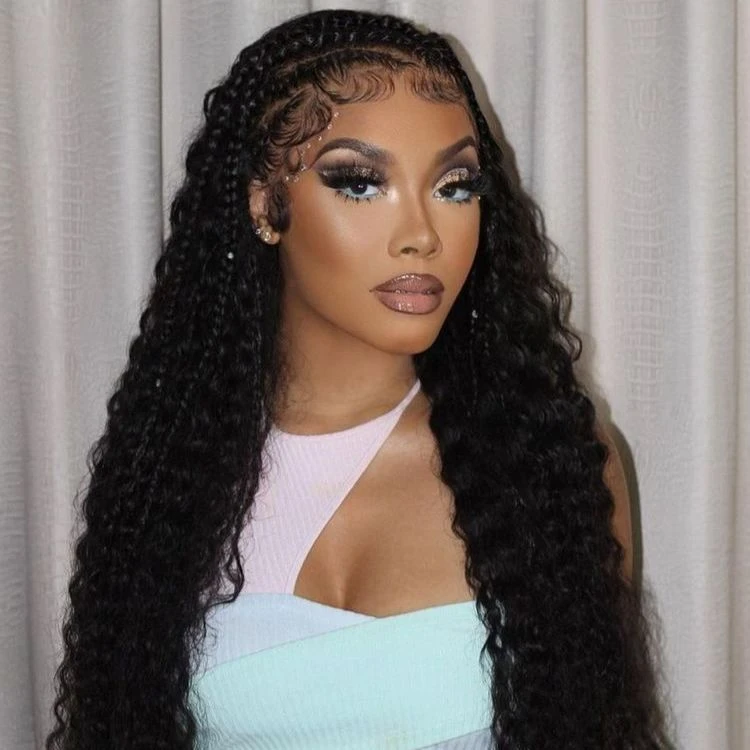

[caption class="snax-figure" align="aligncenter" width="1140"]http://Weft%20hair%20extensions[/caption]
When it comes to hair extensions, one of the oldest ways is sewn-in. Even though weft extensions have been around for a long time, their popularity has skyrocketed in the last few years. When you start going through Instagram and see all of these "hand-tied weft" extension makeover pictures, it's easy to understand why!
It is reasonable considering that the weft of hair is stitched into the client's hair, and the thread is then knotted off to secure it. However, this is not what the phrase "hand-tied" refers to. It is referred to how the hair extensions are created. Hand-tied hair wefts are made by hand-tying hair to the extension seam and knotting it in place. Compared to machine-tied wefts, this approach produces a considerably stronger but much thinner weft. If you need to know more about it, keep reading; here are some points on what they are and how you can differentiate them.
What Is Hand Tied Weft?
[caption class="snax-figure" align="aligncenter" width="1140"][/caption]
The weft of hand-knotted extensions is generally 11"-12" broad. To make a weft, the hair is knotted by hand together with 2-3 threads. It usually is thin and takes more than one weft to create a row of hair that is thick enough for most clients (typically glue 3 wefts together to make one row).
The weft (stitched component) is relatively thin and blends nicely with clients who have thinner hair. Hand-knotted extensions can be sewn into beaded tracks or braids. The majority of hand-knotted wefts weigh around 12 oz. Cutting hand-tied wefts is not suggested unless they are well glued or sewn in. Hand-tied wefts are generally more expensive due to the high expense of labor to produce them.
What Is Machine Tied?
[caption class="snax-figure" align="aligncenter" width="1140"][/caption]
Machine-tied wefts are made by attaching hair to a weft with an industrial sewing machine. The majority of machine-tied wefts is 3-4oz of hair and consist of one continuous weft.
They may be trimmed to length without the need for glue. Because a machine-made weft has double the hair thickness of a hand-tied weft, using only 1 or 2 per row may be sufficient. Also, the weft is thicker; it is more difficult to conceal in fine hair. For those with thick hair, machine wefts hair extensions are better.
The Cost Of Hair Extensions
[caption class="snax-figure" align="aligncenter" width="1140"][/caption]
Hand-tied wefts are more expensive than machine-tied wefts since they are significantly more labor demanding to manufacture. It takes considerably longer for a human to create them by hand than for a machine to feed the hair. Machine wefts are generally less expensive since they need less time to produce.
If you are looking for virgin weft hair extensions that visit Indique as they offer quality hair products. Plus you can use code SAVE20 to shop even more and flaunt Indique hair like a queen. Discover more hand tied hair extensions near me and wigs like deep wave wig and frontals in the USA with reasonable prices that will last long with proper care.
The Benefits of Using Hair Weft Hair Extensions
[caption class="snax-figure" align="aligncenter" width="1140"][/caption]
Each of these hair extensions is easy to use, and one common benefit of using them is to add volume and length instantly. Though some may be time-consuming, the result is worth the try. It also gives endless styling options and can be colored or used heat styling tools while styling since it is made of virgin hair. It blends effortlessly and will provide a realistic look that won't be detachable.
So, I hope you are now aware of what hand-tied and machine weft hair extensions are. They look alike but are created with different methods. And each of these extensions will last longer if you choose virgin hair products. Certain products are only meant to use on virgin hair. So be wise, choose the right and look fabulous each day you step out.






Sign in to leave a comment.