
 In the quest for weight loss, many individuals consider various methods to shed those extra pounds. Among the plethora of options available, weight loss drugs have gained significant attention. These medications can provide a boost for those struggling with obesity or weight-related health issues when diet and exercise alone aren\'t enough. However, understanding the different types of weight loss drugs and their potential benefits and risks is crucial for making an informed decision.
Prescription Weight Loss Drugs
Prescription weight loss drugs are typically reserved for individuals with a body mass index (BMI) of 30 or higher, or 27 or higher with obesity-related conditions such as hypertension or diabetes. These medications are regulated by the FDA and require a doctor\'s prescription.
- Semaglutide (Wegovy)
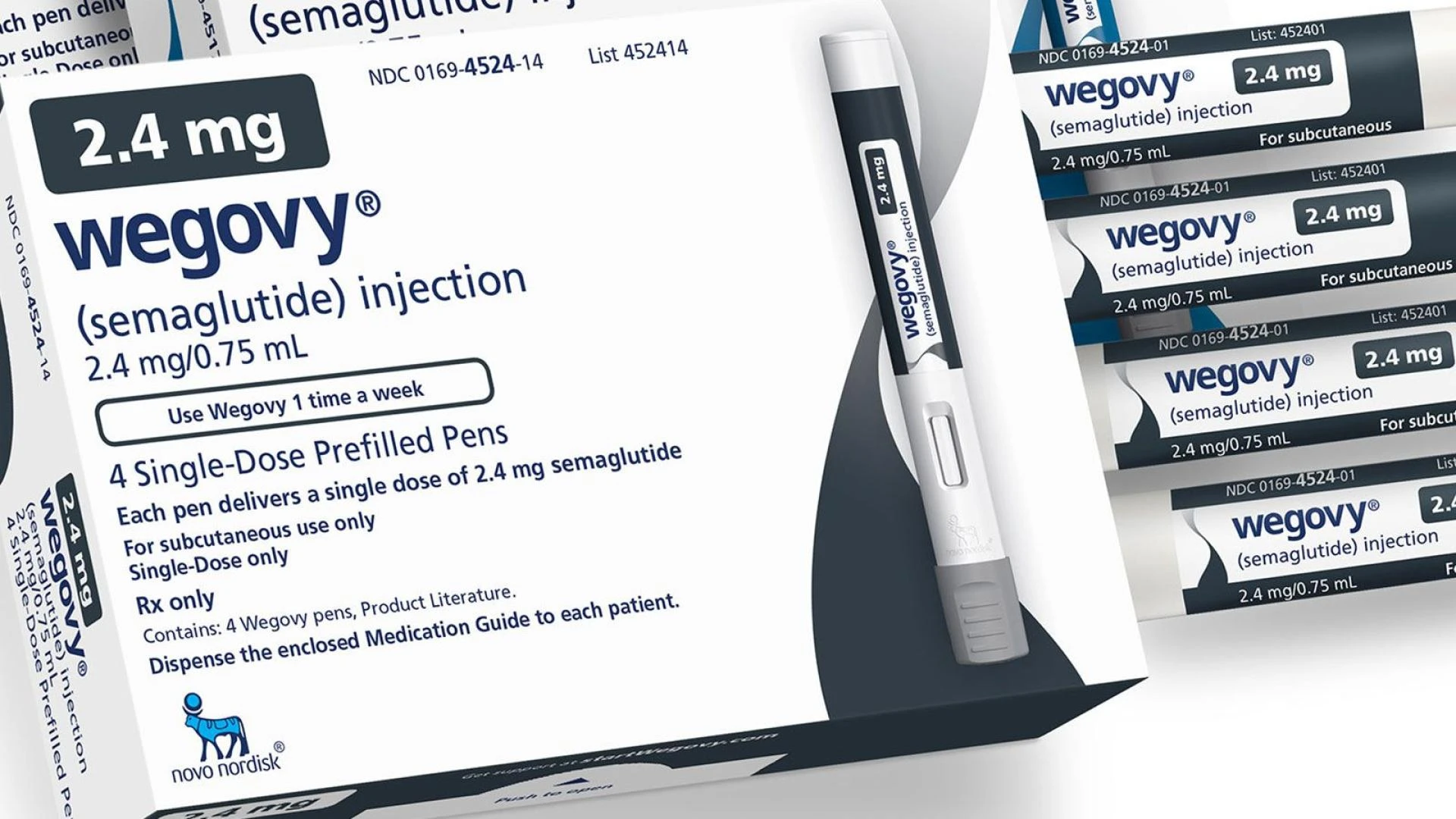
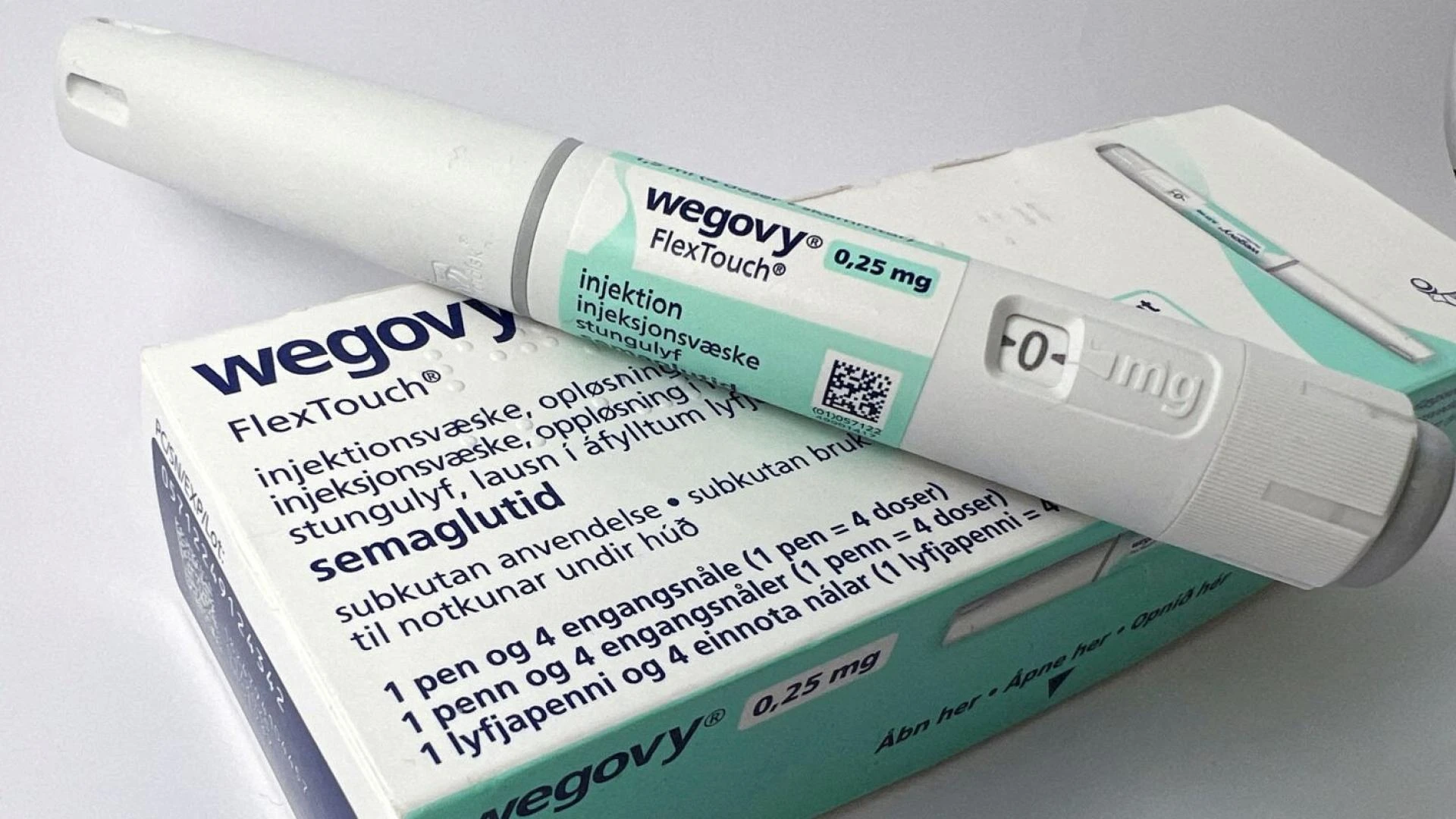
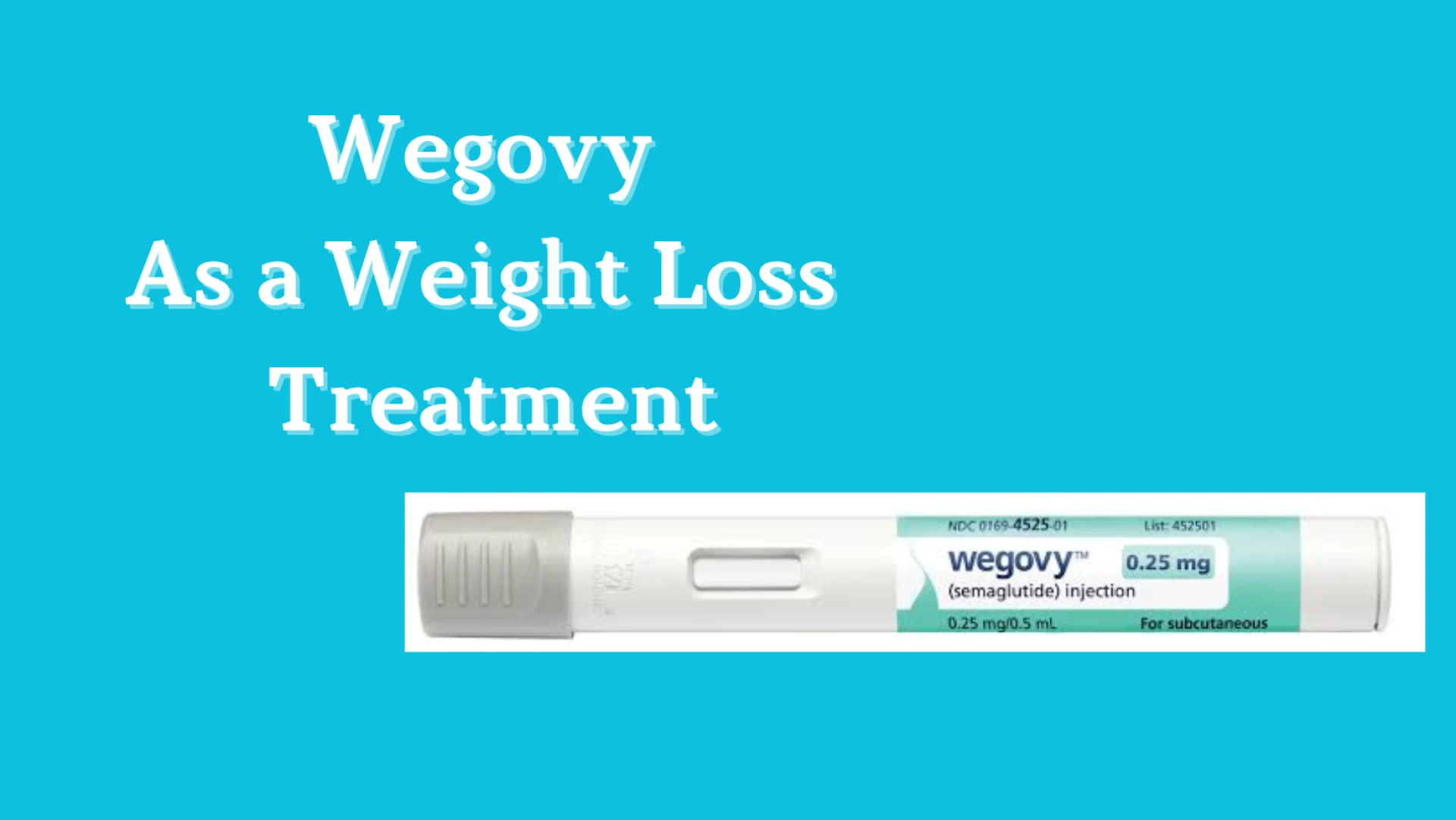
Wegovy (semaglutide) is an injectable medication approved for chronic weight management in adults with obesity or overweight with at least one weight-related condition, such as high blood pressure or type 2 diabetes. It functions as a GLP-1 receptor agonist, mimicking the hormone glucagon-like peptide-1, which helps regulate appetite and food intake. Before buying Wegovy weight loss injection, it is essential to consult with a healthcare provider to understand the potential benefits and side effects.
- Mounjaro (tirzepatide)
Mounjaro weight loss injection is used to manage type 2 diabetes and assist with weight loss. It works by mimicking the action of natural hormones that regulate blood sugar and appetite, leading to improved glucose control and reduced hunger. Clinical studies have shown significant weight loss and improved glycemic control in patients using Mounjaro, making it a promising option for individuals struggling with both type 2 diabetes and obesity. However, as with any medication, it\'s important to discuss potential side effects and suitability with a healthcare provider.
- Orlistat (Xenical)
Orlistat works by inhibiting the absorption of fat in the intestines. Studies have shown that Orlistat can help individuals lose about 5-10% of their body weight over a year. Common side effects include gastrointestinal issues like oily stools and frequent bowel movements.
Liraglutide (Saxenda)
Originally developed for diabetes management, Liraglutide is an injectable drug that mimics a hormone that targets areas of the brain that regulate appetite. Patients can lose about 5-10% of their body weight with this medication. Common side effects include nausea, diarrhea, and low blood sugar.
Naltrexone-Bupropion (Contrave)
This combination drug includes naltrexone, which is used to treat alcohol and opioid dependence, and bupropion, an antidepressant and smoking cessation aid. Contrave works by reducing hunger and cravings. Clinical trials suggest a weight loss of 5-10%. Side effects can include nausea, constipation, headache, and dizziness.
Conclusion
Weight loss drugs can be a helpful tool for individuals struggling to lose weight through traditional methods alone. It\'s crucial to make informed decisions based on a thorough understanding of each drug\'s benefits and risks. Always consult with a healthcare provider to determine the best course of action for your weight loss journey.





Sign in to leave a comment.