Weighing Controller for Better Industrial Process Coordination

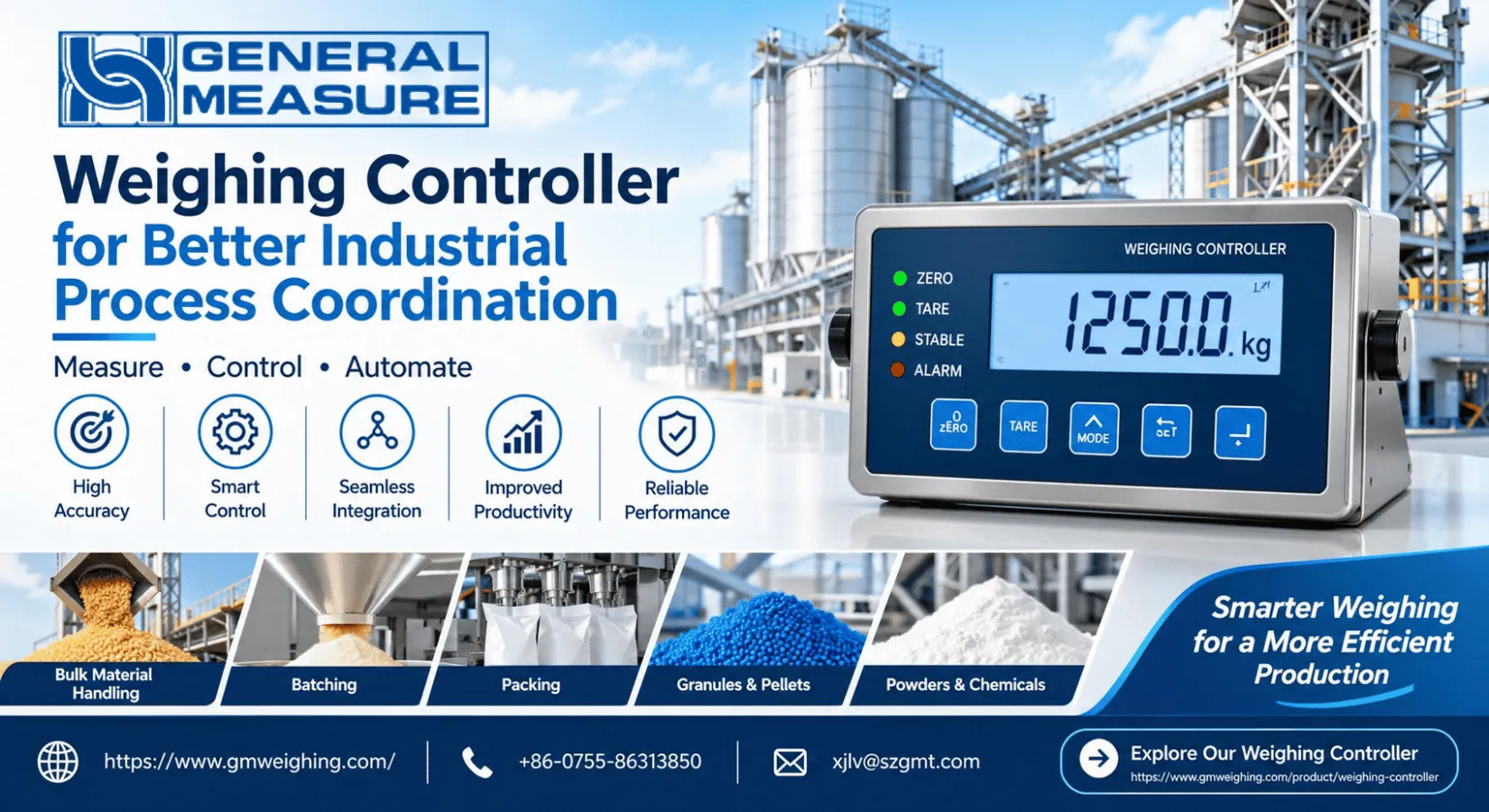
Industrial production often involves multiple stages where materials must be measured, transferred, mixed, or packed in specific quantities. Managing these operations manually can make it difficult to maintain consistent results, especially when production requires repeated weighing cycles. A reliable weighing controller helps coordinate measurement-related operations and gives businesses better control over their industrial processes.
From bulk material handling to batching and packaging, weighing controllers can support different applications by processing weight signals and managing connected equipment according to configured requirements.
Coordinating Bulk Material Handling Operations
In industries that handle large quantities of raw materials, accurate weight measurement is important for inventory management and production planning. A weighing controller for bulk scale applications can be integrated into suitable weighing systems to monitor material quantities during loading, unloading, or transfer.
For example, facilities handling grains, cement, minerals, or industrial powders may need to measure material as it moves through silos, hoppers and conveyors.
Depending on the controller's capabilities and system configuration, it may support functions such as:
- Monitoring weight changes during material movement.
- Managing preset weight targets.
- Supporting automatic feeding and discharge sequences.
- Providing measurement information to connected control systems.
- Helping operators monitor bulk material handling activities.
The right configuration depends on the scale design, material characteristics and required level of automation.
Improving Accuracy in Batching Processes
Batching involves combining specific quantities of different materials to produce a defined mixture. Even small variations in ingredient quantities can affect the consistency of the final product.
A weighing controller for batching applications can help manage individual weighing stages according to predefined targets. It may work with feeding mechanisms, hoppers, valves and other connected devices to coordinate the sequence of a batch.
Common applications include:
Food processing: Measuring ingredients in specified quantities for repeatable production recipes.
Chemical manufacturing: Controlling the addition of different raw materials during formulation.
Concrete production: Measuring aggregates, cement and other components for a planned mixture.
Animal feed manufacturing: Managing ingredient quantities during feed preparation.
A properly configured batching system helps operators follow a structured process and monitor material quantities more consistently.
Understanding the Role of a Weigh Controller
A weigh controller is designed to process weight information and support control functions within a weighing application. Unlike a basic display-only device, a controller may offer additional features for managing external equipment and production sequences.
Depending on the model, these functions can include setpoint management, digital inputs and outputs, communication interfaces and configurable operating modes.
A weight controller can therefore become an important part of an automated weighing installation. However, businesses should verify the available functions and compatibility before integrating it with existing machinery.
Supporting Controlled Packaging Operations
Packaging lines require materials to be measured before they are filled into bags, containers, or other packages. Variations in target weight can create product loss, rework, or quality concerns.
A weighing controller for packing applications can help manage the weighing and filling sequence. In a typical setup, the controller receives weight information, compares it with the configured target and coordinates the filling mechanism according to its programmed operation.
This can support applications involving:
- Granules and plastic pellets.
- Agricultural products and seeds.
- Fertilizers and industrial powders.
- Food ingredients.
- Other suitable bulk materials.
The feeding arrangement, weighing capacity and filling mechanism should be selected according to the material and packaging requirements.
Important Features to Consider Before Selection
Not every industrial weighing application requires the same controller. Before choosing equipment, businesses should review the following factors.
1. Application Compatibility
Identify whether the controller will be used for bulk weighing, batching, packing, or another process. The operating requirements will influence the necessary functions.
2. Sensor Compatibility
Confirm that the controller supports the required load cell configuration and signal specifications. Proper compatibility is essential for reliable measurement.
3. Control and Automation Functions
Review available setpoints, digital inputs and outputs and control sequences. These features should match the connected feeding, discharge and weighing equipment.
4. Communication Options
Some installations need to exchange information with PLCs, computers, or supervisory systems. Check supported communication interfaces before finalizing the equipment.
5. Operating Environment
Consider temperature, dust, moisture, vibration and installation conditions. Select a suitable device for the environment in which it will operate.
6. Maintenance and Technical Support
Easy access to technical documentation, configuration guidance and maintenance support can simplify long-term equipment management.
Building a More Organized Weighing System
A weighing controller can help connect measurement activities with the wider production process. When selected according to application requirements, it supports better coordination between weighing equipment, material-feeding mechanisms and automated machinery.
For manufacturers working with bulk materials, batch preparation, or packaging operations, choosing the correct controller is an important step toward improving process consistency.
General Measure Technology provides industrial weighing and control solutions for different applications. Businesses looking for a weighing controller for bulk scale, batching, or packing systems can explore the available product range and compare specifications to identify a suitable solution.


Sign in to leave a comment.