Water damage can quickly disrupt your home, especially when carpets become saturated. Whether caused by a burst pipe, stormwater intrusion, or an overflowing appliance, wet carpets need immediate attention. Acting early can help prevent long-term damage, reduce repair costs, and improve the chances of restoring your flooring successfully.
Act Fast to Limit Damage
Time is critical after water exposure. Moisture can move rapidly from the carpet surface into the underlay and subfloor. Within hours, this hidden dampness can begin affecting structural materials and indoor air quality. The first step is always to stop the source of water, whether that means turning off the main supply or addressing external leaks.
Once the source is controlled, focus on removing as much water as possible from the affected area.
Remove Excess Water Effectively
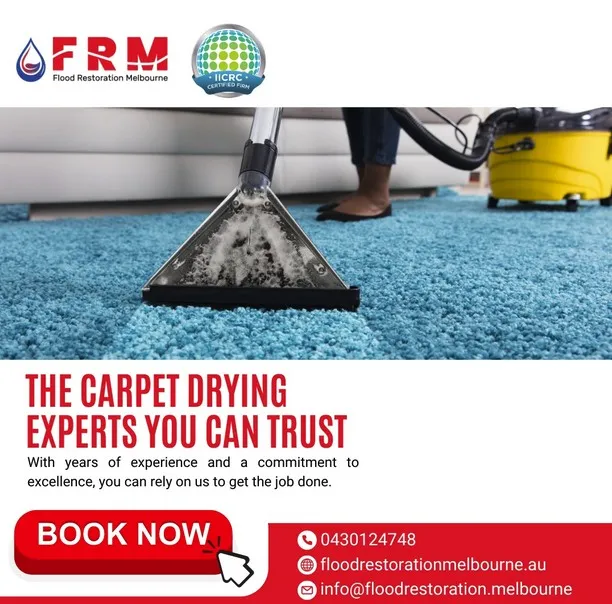
Standing water should be removed immediately to reduce further absorption. While household tools can handle small amounts, larger incidents require professional carpet water extraction to remove deeply embedded moisture. This process uses powerful equipment to extract water from fibres and underlying layers, helping to speed up the overall drying process.
Improve Air Circulation
Ventilation plays an important role in slowing down moisture buildup. Opening windows and doors, along with using fans, can assist with surface drying. However, natural airflow alone is not enough to remove moisture trapped beneath carpets.
Professional drying involves controlled airflow and dehumidification, ensuring that deeper layers of the flooring system are properly dried. This is especially important in preventing moisture from lingering out of sight.
Avoid Further Damage
It’s important to minimise movement across wet areas. Walking on damp carpets can push water deeper into the fibres and spread moisture into unaffected sections. Limiting access helps maintain the condition of the carpet and reduces contamination risks.
Understand the Risks of Delay
Delaying proper drying can lead to serious problems, including:
- Development of mould within 24–48 hours
- Damage to carpet fibres and underlay
- Weakening of subfloor materials
- Lingering musty odours
- Higher restoration costs over time
Addressing the issue early helps avoid these complications and preserves more of the existing materials.
When to Seek Professional Help
For moderate to severe water damage, professional intervention is essential. Experts assess moisture levels, identify hidden dampness, and apply targeted drying techniques to restore the affected area. They also monitor progress to ensure that all materials return to safe moisture levels before the process is complete.
Many property owners choose wet carpet drying Melbourne services when dealing with significant water exposure, as professional equipment and expertise ensure a more thorough and reliable outcome.
Final Thoughts
Wet carpets should never be left to dry on their own. Acting quickly, removing water efficiently, and ensuring proper drying are key to protecting your home. By taking the right steps early and involving professionals when needed, you can restore your carpets and maintain a safe, comfortable living environment.



























Sign in to leave a comment.