

Most people sign contracts the way they accept cookie banners - quickly, without reading, assuming it will be fine. The reality is that a contract is the one document you only appreciate when something goes wrong. Here is a clear look at what a well-written agreement actually does, and why the wording matters far more than most people think.
Ask ten people what a contract is for and most will say "to make it official." That answer misses the point. A contract is not paperwork - it is a set of agreed rules for what happens when expectations are not met. At Contract.bg, the goal is the opposite of fine print no one reads: every clause should be there for a reason, and every party should understand what they are agreeing to.
The Part Nobody Reads
A contract's real work is invisible right up until the moment it is needed. While everyone is getting along, the document sits in a drawer. The day a payment is missed, a deadline is blown, or a partnership sours, that same document becomes the only thing standing between a clean resolution and an expensive dispute.
Defining the Obligations
A good contract states plainly who does what, by when, for how much, and to what standard. Vague terms like "promptly" or "high quality" are where disputes are born, because each side reads them in their own favor. Precise language removes the ambiguity before it can be argued over.
Planning for What Goes Wrong
The most valuable clauses are the ones that describe failure - what happens if one side does not deliver, how the agreement can be ended, who is liable for what, and how a disagreement gets resolved. A contract that only describes the happy path is barely a contract at all.
Why Templates Are Not Enough
Free templates from the internet are a tempting shortcut, but they are written for no one in particular - which means they fit no one exactly. They miss the specifics of your situation, may reference the wrong jurisdiction, and often leave out the protections you actually need while including clauses that do not apply to you.
A properly drafted agreement reflects the real relationship between the parties, the actual risks involved, and the law that genuinely governs it. Reviewing a contract before signing - or drafting one from scratch around your specific needs - is the difference between a document that protects you and one that simply looks like it does.
Review Before You Sign, Not After
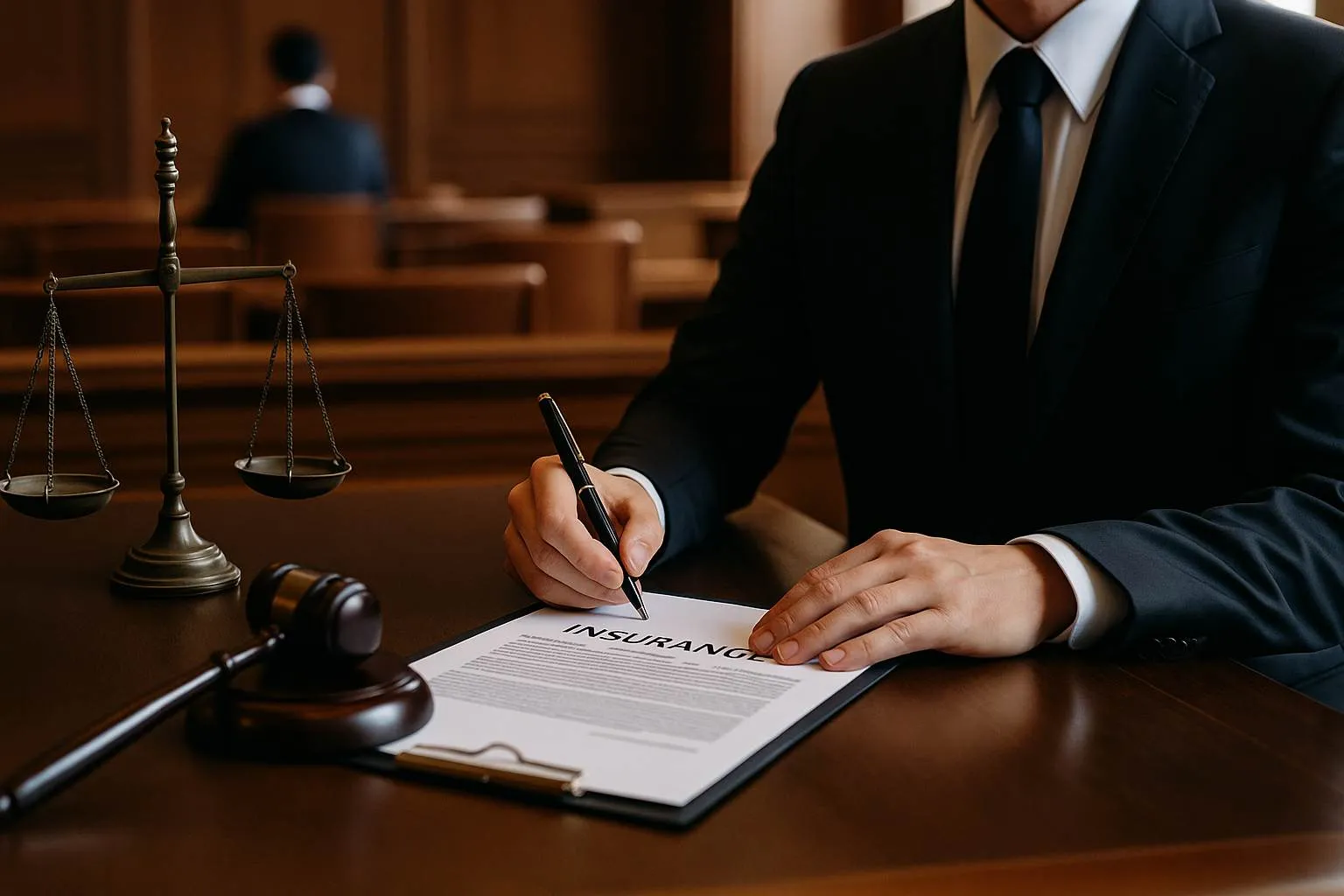
The most common and costly mistake is signing first and reading carefully later. Once signed, the terms bind you whether you understood them or not. A short review beforehand can flag unbalanced clauses, hidden obligations, and missing protections while there is still time to negotiate them.
What Actually Matters
A contract is not measured by how long or formal it looks. It is measured by one thing - does it hold up when tested? An agreement that is clear, complete, and built around your real situation is one that quietly does its job and saves you from problems you never even see coming. That peace of mind is the entire point.


























Sign in to leave a comment.