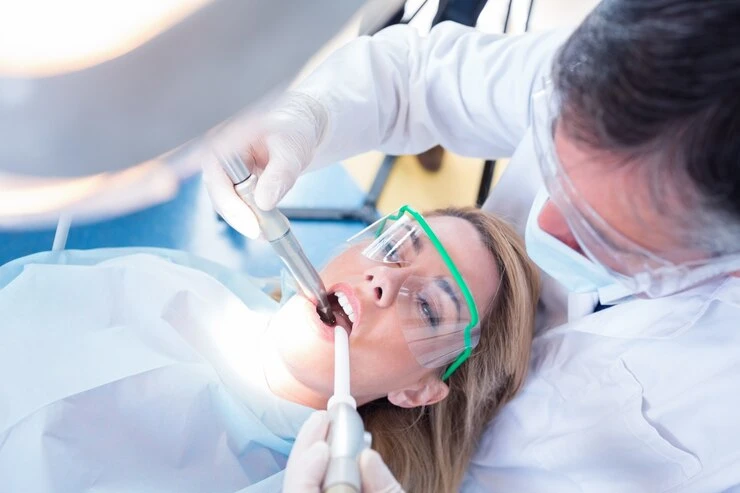

When seeking to maintain optimal oral health, many people often search for a dental hygienist near me to help them with their dental care needs. Dental hygienists play a crucial role in the prevention and treatment of oral diseases, making them an integral part of any dental practice.
Understanding what a dental hygienist does and why their services are essential can empower individuals to take charge of their oral health.
The Role of a Dental Hygienist
Dental hygienists are licensed healthcare professionals who specialise in preventive oral care. Their primary responsibility is to help patients maintain healthy teeth and gums through a variety of services aimed at preventing dental issues before they arise. This preventative approach is crucial, as many dental problems can escalate into more severe conditions if left untreated.
One of the key tasks performed by dental hygienists is the thorough cleaning of teeth. This process, known as prophylaxis, involves removing plaque, tartar, and stains from the teeth, particularly in hard-to-reach areas. Regular cleanings are vital because plaque can harden into tartar, which can only be removed by a professional. By keeping the teeth clean, dental hygienists help reduce the risk of cavities and gum disease, both of which can lead to more serious health concerns.
In addition to cleanings, dental hygienists are responsible for conducting initial assessments of a patient’s oral health. During these assessments, they evaluate the condition of the gums, check for signs of decay, and take detailed medical histories. This information is invaluable as it allows the dentist to create a comprehensive treatment plan tailored to the individual’s specific needs. Furthermore, dental hygienists often use diagnostic tools, such as X-rays, to identify potential problems that may not be visible during a standard examination.
Patient Education and Preventive Care
Another essential aspect of a dental hygienist’s role is patient education. They take the time to explain proper oral hygiene techniques, such as effective brushing and flossing methods, and provide advice on maintaining a healthy diet that supports dental health. Many people overlook the importance of these practices; however, a dental hygienist can empower patients with the knowledge they need to prevent dental issues at home.
In addition to educating patients about daily oral care, dental hygienists also discuss the importance of regular dental visits. They stress that preventive care is far more effective and less costly than treating advanced dental problems. By instilling good habits and encouraging routine check-ups, dental hygienists play a pivotal role in helping patients maintain their oral health over the long term.
Moreover, dental hygienists often provide guidance on the effects of lifestyle choices, such as smoking, alcohol consumption, and dietary habits, on oral health. They can recommend specific products, such as toothpaste or mouthwash, that can aid in maintaining good oral hygiene. This holistic approach to dental care ensures that patients are equipped to make informed decisions regarding their oral health.
The Importance of Regular Cleanings
Regular visits to a dental hygienist are essential for maintaining oral health. Most dental professionals recommend that patients schedule cleanings at least twice a year, although some individuals may require more frequent visits based on their unique dental needs. These routine appointments help catch potential issues early on, preventing them from developing into more serious problems that may require invasive treatments.
During these appointments, dental hygienists not only perform cleanings but also monitor any changes in a patient’s oral health. For example, they can identify early signs of gum disease, such as gingivitis, which is characterised by inflammation and bleeding of the gums. If detected early, gum disease can often be reversed with proper care. However, if left untreated, it can progress to periodontitis, leading to tooth loss and other significant health issues.
Furthermore, regular cleanings are beneficial for individuals with specific health concerns. For example, patients with diabetes or autoimmune diseases may be at a higher risk for developing dental problems. In such cases, the expertise of a dental hygienist is invaluable, as they can tailor their approach to meet the unique needs of these patients, ensuring they receive the care necessary to maintain their oral health.
Building a Relationship with Your Dental Hygienist
Establishing a good rapport with your dental hygienist can greatly enhance your dental experience. A dental hygienist often spends a considerable amount of time with patients during appointments, allowing for an opportunity to build trust and open communication. This relationship can be particularly beneficial for individuals who experience anxiety about dental visits, as a familiar face can help them feel more at ease.
When patients feel comfortable discussing their concerns or asking questions, they are more likely to engage actively in their dental care. A compassionate dental hygienist will take the time to listen to your needs, address any worries, and provide personalised advice based on your oral health status. This collaborative approach fosters a sense of partnership in your dental care journey, empowering you to take an active role in maintaining your oral hygiene.
The Link Between Oral Health and Overall Wellbeing
The importance of maintaining good oral health extends beyond just the mouth; it is closely linked to overall well-being. Research has shown that poor oral health can be associated with various systemic conditions, including heart disease, diabetes, and respiratory infections. By working with a dental hygienist, patients take proactive steps to safeguard not only their dental health but their general health as well.
Dental hygienists are trained to recognise the signs of potential health issues that may manifest in the mouth. For instance, they can identify oral symptoms that may indicate underlying medical conditions, allowing for early intervention and referrals to other healthcare professionals when necessary. This comprehensive approach to care highlights the critical role dental hygienists play in promoting holistic health.
Choosing the Right Dental Hygienist
When searching for a dental hygienist near me, consider factors that align with your personal preferences and needs. Look for someone who is qualified, experienced, and has a positive reputation within the community. Reading reviews and asking for recommendations can help you find a dental hygienist who prioritises patient care and comfort.
Additionally, consider the location and hours of the dental practice. Ensuring that the practice is conveniently located and offers flexible scheduling can make regular visits more manageable. Ultimately, finding a dental hygienist who understands your unique needs and fosters a supportive environment will contribute significantly to your overall dental experience.
In summary, dental hygienists play an indispensable role in the maintenance of oral health. Their expertise in preventive care, patient education, and overall well-being makes them valuable partners in your journey towards optimal dental hygiene. By prioritising regular visits to a dental hygienist, you can take significant steps towards safeguarding your oral health and enhancing your quality of life.



























Sign in to leave a comment.