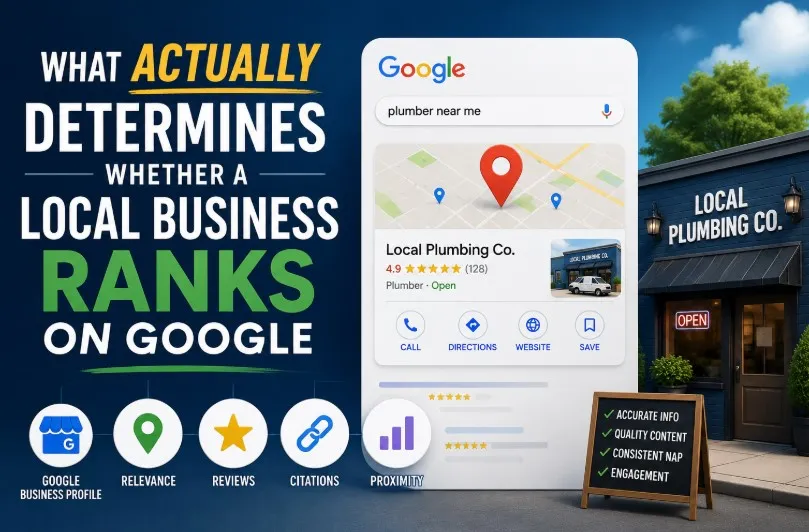

Most business owners searching for SEO services in Lucknow already sense that something has changed about how customers find them — but few can pinpoint exactly what shifted. The answer is simpler than it seems: search itself has become local-first. When someone types "dentist near me" or "furniture shop in Gomti Nagar," Google isn't just matching keywords anymore. It's weighing three things together — how close the business is to the searcher, how relevant its website and listing are to that specific query, and how established it appears based on reviews and citations. A business can be excellent at what it does and still lose the customer simply because one of these three signals is weak.
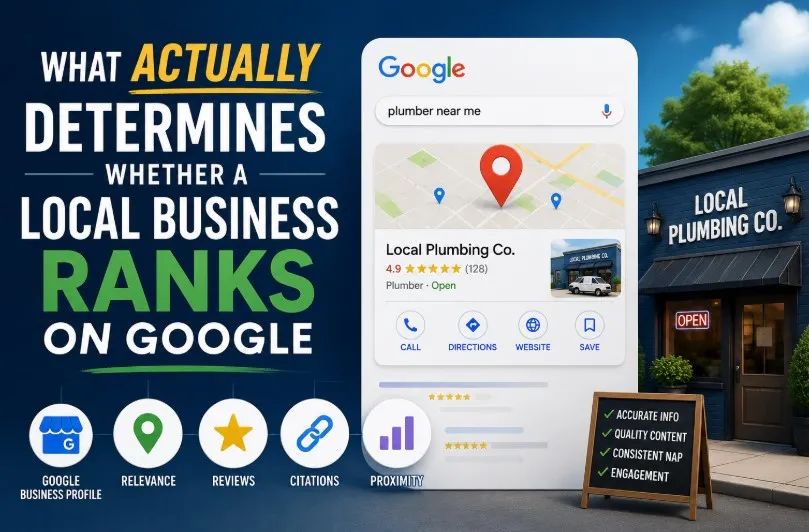
This is where local SEO diverges sharply from traditional SEO. A website can rank well nationally for a broad industry term and still be invisible in local map results, because map rankings depend heavily on factors most businesses never touch — an incomplete Google Business Profile, inconsistent address details across directories, or a complete absence of local citations linking back to the same business information. Fixing these gaps typically produces faster, more noticeable movement than writing another blog post ever will.
There's also a timing mismatch that trips people up. SEO compounds slowly — real ranking movement usually takes two to four months, sometimes longer in competitive categories.
A business that needs enquiries this month often can't afford to wait that long, which is why digital marketing services in Lucknow increasingly combine SEO with paid search and social media rather than running them as separate efforts. The logic is straightforward: ads generate leads immediately while SEO builds toward a point where paid spend becomes optional rather than essential. Run in isolation, each channel works harder than it needs to. Run together, ad performance data often reveals which keywords genuinely convert, which then sharpens the SEO content plan itself.
What's easy to miss is how much of this comes down to specifics rather than general best practice. A diagnostic clinic and a real estate developer don't share a customer journey, a decision timeline, or even a search vocabulary — someone Googling a health concern behaves nothing like someone comparing property listings. Treating both with the same generic keyword list or content calendar rarely produces strong results for either, which is why the businesses that see consistent gains tend to start with an honest audit of their current website, competitors, and search presence before any keyword gets targeted.
None of this is complicated in theory. It's simply detailed, slow-building work that rewards accuracy over shortcuts — which is probably why so many local businesses either skip it entirely or give up before it starts compounding.

























Sign in to leave a comment.