

Picture this: you've just bought some premium cannabis from your local dispensary, but you're staying in a hotel that doesn't allow smoking, and public consumption is illegal. Where can you go to enjoy your purchase legally and safely? Enter cannabis social clubs – the answer to a problem many legal cannabis consumers face every day.
Cannabis social clubs are changing how people think about marijuana consumption, creating safe spaces where adults can gather, share, and enjoy cannabis in a community setting. These aren't your typical dispensaries or coffee shops – they're something entirely different that's quickly gaining popularity across the globe.
Understanding What Cannabis Social Clubs Really Are
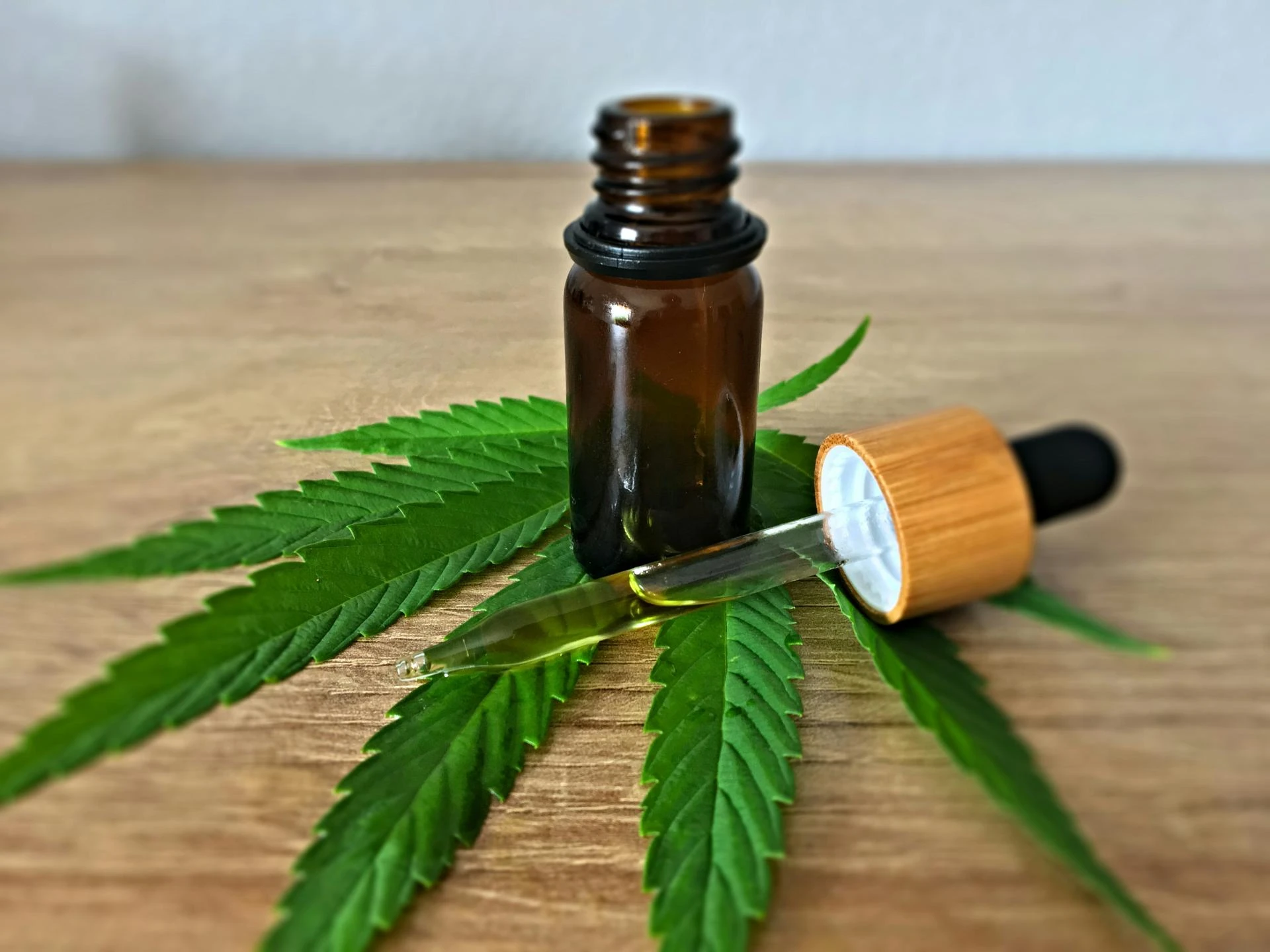
Cannabis Social Clubs are legally registered associations with democratic and participative internal organization. Think of them as member-based organizations where people come together to collectively grow, share, and consume cannabis in a regulated private setting.
The concept is pretty straightforward when you break it down. A CSC is a type of nonprofit, member-based organization where individuals collectively grow, share, and consume cannabis in a regulated and private setting. Unlike regular dispensaries that operate for profit and are open to all adults, cannabis clubs operate on nonprofit grounds and only allow access to registered members.
These clubs fill a unique gap in the cannabis world. While dispensaries sell products and send you on your way, cannabis social clubs provide a place where you can actually consume what you've purchased or grown collectively. It's like the difference between buying a bottle of wine at a liquor store versus enjoying it at a wine bar with friends.
What Makes Cannabis Social Clubs Different from Dispensaries?
The key differences are pretty significant when you look at them side by side. Traditional dispensaries focus on retail sales – you walk in, make your purchase, and leave. Cannabis social clubs, however, are all about the experience and community aspect. These places differ from standard cannabis dispensaries in that those are operating on a for-profit basis open to all adults, whereas Cannabis Clubs operate on nonprofit grounds and only allow access to registered members.
Most cannabis social clubs don't even sell products on-site. Instead, members bring their own cannabis or consume products grown collectively by the club. The emphasis is on creating a safe, social environment where people can consume cannabis without worrying about breaking public consumption laws.
The Fascinating History Behind Cannabis Social Clubs
The story of cannabis social clubs is more interesting than you might expect. Cannabis consumers clubs became popular in the United States during the Prohibition era (1920-1933). Cannabis was often used as a legal intoxicant since alcohol was illegal. Teapads were developed as clubs in urban areas where jazz music was performed and cannabis was consumed.
These early "teapads" were basically the original cannabis lounges, complete with comfortable furnishings and jazz music. They were so popular that musicians like Gene Krupa even composed entire albums dedicated to them. Unfortunately, these clubs disappeared when cannabis became illegal, but the concept never really died.
The modern version of cannabis social clubs started taking shape in Europe during the 1990s and early 2000s. During the 1990s and early 2000s, an important number of "cannabis users associations" appeared in Spain, mostly the Basque country and Catalonia regions. Spain became a pioneer in this space, with many of these Spanish groups eventually becoming members of ENCOD, the European organization that actually coined the term "Cannabis Social Club" in 2005.
How Cannabis Social Clubs Actually Work
The day-to-day operations of cannabis social clubs might surprise you with how organized and regulated they are. Their internal organisation is democratic and participative. The decision-making body is the Annual General Assembly, to which all members are invited to attend. Each member has one vote.
Membership Structure and Requirements
Getting into a cannabis social club isn't as simple as walking through the door. Most clubs have specific membership requirements and application processes. For example, only German residents who have lived in the country for longer than six months and have reached the age of 18 can join one. A member has to stay with the club for a minimum of three months, and cannot be part of multiple social clubs at one time.
The clubs typically cap their membership at reasonable numbers to maintain quality control and community feel. Cannabis social clubs in Malta are able to provide their members (up to 500 per club) with up to 7 grammes per day, with a maximum of 50 grammes per month per member, while German clubs have similar limits with 500 maximum members.
The Growing and Distribution Process
What really sets cannabis social clubs apart is how they handle cultivation and distribution. Cannabis Social Clubs as developed in Spain are non-commercial organizations which organize the professional, collective cultivation of very limited amounts of cannabis, just enough to cover the personal needs of their club members.
This isn't some free-for-all operation – everything is carefully planned and documented. Cultivation, transport, distribution and consumption are subject to security and quality checks, and are done without publicity or advertisement of any kind. Members typically finance the operation through subscription fees based on their individual consumption needs.
The clubs often use a card system to track distribution. Each member gets a value card with units, according to their credit, with a maximum limit per month and per year. This helps ensure everything stays within legal limits and prevents any member from taking more than their fair share.
Financial Operations and Transparency
One of the most important aspects of cannabis social clubs is their nonprofit nature and financial transparency. CSCs are characterised by transparency, democracy and non-profitability. They function as an association, with complete openness about financial arrangements to their members, so the members can see how the costs are calculated and the money is spent.
The financial model is pretty straightforward – members pay subscription fees that cover the costs of cultivation, facility maintenance, and operations. This amount is divided by the quantity of cannabis produced by the club, resulting in the price per gram. In Spain and Belgium, it has been possible to achieve a price between 3 and 4 euros per gram.
Any profits generated don't go into anyone's pocket – they're reinvested back into the club for improvements or used to lower membership fees. This nonprofit approach is crucial for maintaining the legal status of these organizations in most jurisdictions.
Where Cannabis Social Clubs Are Legal Today
The legal landscape for cannabis social clubs varies dramatically depending on where you are in the world. Some countries have fully embraced and regulated these clubs, while others operate in legal gray areas.
Europe Leading the Way
Europe has been at the forefront of cannabis social club development. Spain remains the most well-known example, where the growth of these clubs in Spain is booming, started with 40 Cannabis Social Clubs in 2010, nowadays more than 700! However, the legal situation in Spain remains somewhat complicated, as these clubs often operate in legal gray zones.
Malta has taken a more structured approach. In October 2023, two non-profit associations were granted the first licenses to legally grow and distribute cannabis, and three more entities had received approval by the end of the year. The country has established clear regulations and licensing procedures for what they call Cannabis Harm Reduction Associations (CHRAs).
Germany made headlines in 2024 by legalizing recreational cannabis and explicitly allowing cannabis social clubs. As of now, only 14 cannabis social clubs have secured a license, and it wasn't until November that cannabis was distributed to club members for the first time. The German model is particularly strict, with comprehensive documentation requirements and regular inspections.
The United States: A Patchwork of Regulations
The situation in the United States is more complex, with different states taking various approaches to social consumption. At present, only the state of Oregon has a fully regulated system in place for cannabis social clubs. Currently, Alaska is working on regulating their own system while in Washington, on-site cannabis consumption remains prohibited.
Colorado's Amendment 64 allowed the creation of Cannabis consumption clubs, although the sale or dispensation of cannabis products is not permitted onsite. This means people can consume cannabis together, but they have to bring their own products.
California has been experimenting with various models, and following a 2018 reform, "a local jurisdiction may allow for the smoking, vaporizing, and ingesting of cannabis or cannabis products on the premises of a retailer or microbusiness". This has led to some interesting hybrid models where dispensaries also function as consumption lounges.
Other International Examples
Uruguay deserves special mention as one of the first countries to fully legalize and regulate cannabis social clubs. On December 20, 2013, President José Mujica enacted the Law 19.172 which regulates the production, marketing and consumption of cannabis as well as promoting information, education and prevention of cannabis use. Their model allows up to 45 citizens to create nonprofit organizations to cultivate up to 99 plants and share the harvest among themselves.
The Benefits and Challenges of Cannabis Social Clubs
Cannabis social clubs offer several advantages over both traditional dispensaries and unregulated consumption, but they also face unique challenges that are worth understanding.
The Benefits for Consumers and Communities
The primary benefit is obvious – they provide a legal place for adults to consume cannabis without worrying about breaking public consumption laws. Cannabis Social Clubs give these people a place to go where they can use cannabis legally and without risk of any risk of prosecution.
Beyond just providing a consumption space, these clubs create genuine communities around cannabis use. In short, cannabis lounges are growing in popularity because they offer many of the same benefits as a local bar or coffee shop, including a chance to interact with people in your community who share your interests.
From a public health perspective, cannabis social clubs can potentially reduce harm associated with cannabis use. The peer and participatory aspects of CSCs may have positive effects on health-related outcomes of cannabis use, such as through encouraging the use of safer products and responsible use practices. Having knowledgeable staff and experienced members around can help newer users consume more safely.
The clubs also help address practical problems faced by cannabis consumers. Many people live in rental properties where smoking isn't allowed, or they're tourists visiting from non-legal states. Cannabis social clubs provide a solution that keeps consumption out of public spaces while giving adults a legal alternative.
Economic and Tourism Benefits
Cannabis social clubs can provide significant economic benefits to their communities. Cannabis Social Clubs create brand new opportunities for businesses while generating more public revenue through application and licensing fees.
Tourism is another major factor, especially in places like Spain and the legal US states. In addition, tourists come and spend lots of money that benefit the goverment with taxes. Just like in some states of America and throughout Canada Cannabis is increasing business!
The Challenges and Obstacles
Running a cannabis social club isn't without its challenges. The regulatory burden can be significant, especially in places with strict licensing requirements. Bürokratie und Dokumentationspflichten: Jeder Schritt – von der Satzung über die Mitgliedsverwaltung bis zur Ausgabe des Cannabis – muss lückenlos festgehalten werden (Bureaucracy and documentation requirements: Every step – from the bylaws to member management to cannabis distribution – must be comprehensively documented).
Financial challenges are also common. Kosten und Organisation: Anfangsinvestitionen für Räume, Sicherheitsmaßnahmen und Technik sind nicht zu unterschätzen (Costs and organization: Initial investments for spaces, security measures and technology should not be underestimated). Since these clubs operate as nonprofits, they can't generate profits to reinvest in rapid expansion or improvements.
Legal uncertainty remains a major issue in many jurisdictions. Even where cannabis social clubs operate, they often exist in gray legal areas that could change with new legislation or enforcement policies. This uncertainty makes it difficult for clubs to plan long-term or make significant investments.
What to Expect When Visiting a Cannabis Social Club
If you're thinking about visiting a cannabis social club, knowing what to expect can help you have a better experience and avoid any awkward situations.
The Membership Process
Most clubs require you to become a member before you can participate. The process typically involves filling out an application, proving you're of legal age and meet residency requirements if applicable, and sometimes paying a membership fee. Mitgliedsantrag stellen: Interessierte reichen einen Antrag ein und weisen Volljährigkeit sowie den Wohnsitz in Deutschland nach (Submitting membership application: Interested parties submit an application and prove adulthood and residence in Germany).
Some clubs have waiting lists due to membership caps, so you might not be able to join immediately. It's worth calling ahead or checking their website to understand their specific requirements and current availability.
The Atmosphere and Activities
The atmosphere in cannabis social clubs varies widely depending on their focus and membership. Some are more like upscale lounges with comfortable seating, games, and entertainment. They offer activities including ping-pong, board games, and retro gaming nights. Oh, and to top it off, they're dog-friendly!
Others focus more on education and community building, hosting discussions about cannabis cultivation, consumption methods, or industry developments. Many clubs organize regular events, workshops, or social gatherings to bring members together around shared interests beyond just cannabis consumption.
Consumption Rules and Etiquette
Every club has its own rules about consumption, and it's important to understand and follow them. Some allow smoking, others restrict consumption to vaporizing or edibles only. Licensed clubs can only distribute cannabis in its purest form, like dried cannabis flower. This means cannabis social clubs can't distribute processed cannabis products.
Distribution limits are strictly enforced. Members over 21 years of age can get 25 grams of cannabis per day and up to 50 grams per month from their club. For those 21 years old and below, only 30 grams of cannabis containing less than ten percent THC per month is allowed.
Most clubs emphasize responsible consumption and have staff who can provide guidance, especially for newer users. The social aspect means you're expected to be respectful of other members and contribute positively to the community atmosphere.
The Future of Cannabis Social Clubs
The future looks bright for cannabis social clubs as more jurisdictions recognize their potential benefits and develop regulatory frameworks to support them.
Growing Acceptance and Regulation
As cannabis legalization continues to spread globally, more governments are recognizing that providing safe spaces for consumption is an important part of comprehensive cannabis policy. Contemporary cannabis markets seem to have shifted from community supply to conventional retail and production arrangements, and the latter have limitations that social clubs can help address.
The trend toward regulation rather than prohibition of social clubs suggests that governments are beginning to see their value. Rather than operating in legal gray areas, more clubs are gaining official recognition and licensing, which provides stability and legitimacy.
Innovation in Business Models
Cannabis social clubs are evolving beyond simple consumption lounges. On September 30, 2024, California's Governor Gavin Newsom signed Assembly Bill 1775 that allows licensed cannabis retailers and microbusinesses to serve non-cannabis hot food and beverages in the same space where on-site consumption of cannabis is allowed.
This integration of food service, entertainment, and social consumption creates new business opportunities and makes cannabis clubs more appealing to a broader range of consumers. Some clubs are positioning themselves as lifestyle destinations rather than just places to consume cannabis.
Expansion and Standardization
As the cannabis social club model proves successful, we're likely to see expansion into new markets and some standardization of best practices. Cirrus has a vision to get the "Whole World Seshing Together". There are opportunities available to join our already passionate investment group in expanding across the globe.
However, this expansion will need to balance standardization with local legal requirements and cultural preferences. What works in Spain might need significant modification to work in Germany or the United States.
Bottom Line: Cannabis Social Clubs Represent the Future of Social Consumption
Cannabis social clubs represent a thoughtful approach to adult cannabis consumption that prioritizes community, safety, and responsible use over pure commercialization. As more jurisdictions grapple with how to implement comprehensive cannabis policies, these nonprofit cooperative models offer valuable lessons about creating safe spaces for consumption while maintaining public health and safety priorities.
Whether you're a seasoned cannabis enthusiast or someone curious about the future of cannabis culture, understanding cannabis social clubs gives you insight into how society is adapting to cannabis legalization. These clubs aren't just about providing a place to consume cannabis – they're about building communities, promoting responsible use, and creating sustainable models for adult cannabis consumption that benefit both users and the broader community.
The continued growth and evolution of cannabis social clubs suggest they'll play an increasingly important role in the cannabis landscape. As legal frameworks mature and social acceptance grows, these member-owned, community-focused organizations may well become the standard for how adults consume cannabis socially in the post-prohibition world.




Sign in to leave a comment.