
Dental implants have revolutionised the field of restorative dentistry, offering a reliable and long-lasting solution for individuals who have lost teeth due to injury, decay, or other dental issues. Unlike traditional dentures or bridges, dental implants provide a foundation that mimics the function of natural teeth, allowing for improved aesthetics, comfort, and oral health.
As the demand for effective tooth replacement options continues to grow, understanding what dental implants are and how they work becomes increasingly important for anyone considering this transformative procedure.
Understanding Dental Implants
At its core, a dental implant is a small titanium post that is surgically placed into the jawbone to serve as a replacement root for a missing tooth. This post is designed to integrate with the bone in a process known as osseointegration, which creates a stable and durable foundation for the attachment of a crown, bridge, or denture. The titanium material is biocompatible, meaning it is well-accepted by the body, minimising the risk of rejection and promoting successful healing.
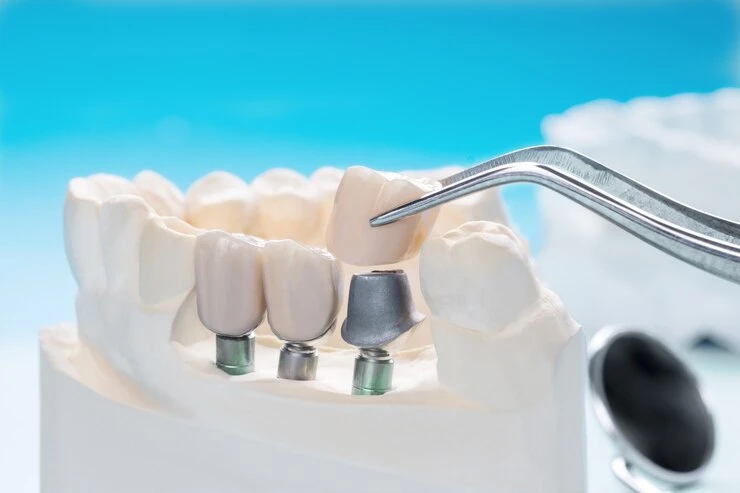
The design of dental implants typically consists of three main components: the implant itself, the abutment, and the crown. The implant is the part that is embedded in the jawbone, while the abutment connects the implant to the visible portion of the tooth. Finally, the crown is the custom-made prosthetic tooth that sits atop the abutment, providing a natural appearance and functionality. This three-part structure allows for a seamless integration into the patient’s existing dental arch, restoring both function and aesthetics.
The Procedure for Dental Implants
The process of obtaining dental implants generally involves several key steps, which are tailored to each individual's unique dental needs. The journey begins with a comprehensive consultation and examination, during which a dental professional assesses the patient’s oral health, bone density, and overall suitability for the procedure. Advanced imaging techniques, such as X-rays or 3D scans, may be employed to create a detailed view of the jawbone and surrounding structures.
Once the initial assessment is complete, a treatment plan is developed. If there is sufficient bone density, the first step in the surgical procedure is the placement of the dental implant itself. This is typically performed under local anaesthesia to ensure the patient’s comfort. The dentist creates a small incision in the gum tissue to expose the jawbone, then drills a precise hole into the bone where the implant will be positioned. After placing the implant, the gum tissue is sutured back into place, and a healing period follows.
During this healing phase, which can last several months, the implant undergoes osseointegration, firmly anchoring itself within the jawbone. This integration is crucial, as it provides the necessary stability for the future prosthetic tooth. Patients are often provided with temporary restorations during this period to ensure they can eat and speak comfortably while waiting for their final restoration.
Once osseointegration is complete, a follow-up appointment is scheduled to attach the abutment to the implant. This small connector protrudes slightly above the gum line and serves as the foundation for the final crown. After this procedure, the gums may require additional healing time before the custom crown is fabricated and placed. The crown is meticulously designed to match the colour, size, and shape of the surrounding natural teeth, resulting in a seamless appearance.
The Benefits of Dental Implants
One of the most significant advantages of dental implants is their ability to restore functionality. Unlike removable dentures, which can shift or become uncomfortable, dental implants are anchored securely in the jawbone, allowing for natural chewing and speaking. This stability enhances the overall quality of life for individuals, enabling them to enjoy their favourite foods without worry.
Additionally, dental implants support the surrounding teeth and help maintain the integrity of the jawbone. When a tooth is lost, the underlying bone can begin to deteriorate due to a lack of stimulation. Implants provide the necessary stimulation to the jawbone, preventing bone loss and preserving facial structure. This aspect of dental implants not only promotes oral health but also contributes to a more youthful appearance.
Moreover, dental implants require no special maintenance beyond regular oral hygiene practices. Patients can brush and floss their implants just like their natural teeth, making it easy to integrate them into their daily routine. This ease of care is a significant factor for many individuals who are seeking a long-term solution for tooth loss.
Who is a Suitable Candidate?
Dental implants can be an excellent option for many individuals, but certain criteria must be met for successful implantation. A suitable candidate should have good overall health, sufficient jawbone density, and healthy gums to support the implant. Individuals who smoke or have certain medical conditions may need to discuss their specific situations with their dental professional to determine the best course of action.
For those who do not have adequate bone density, bone grafting procedures may be available to enhance the jawbone before implant placement. This approach allows individuals who may have initially been deemed unsuitable candidates to still benefit from dental implants.
The Long-Term Outlook
One of the standout features of dental implants is their longevity. With proper care and maintenance, dental implants can last for many years, often even a lifetime. Regular dental check-ups, along with good oral hygiene practices, play a critical role in ensuring the success of the implants. Patients are encouraged to maintain a balanced diet, avoid tobacco use, and adhere to their dentist's recommendations to maximise the lifespan of their dental implants.
In summary, dental implants offer a transformative solution for individuals seeking to restore their smiles and improve their oral health. By providing a durable and aesthetically pleasing alternative to traditional dentures or bridges, dental implants enhance the quality of life for many. Understanding the process, benefits, and suitability for dental implants empowers individuals to make informed decisions about their dental care, ultimately leading to healthier smiles and greater confidence. Embracing this innovative approach to tooth replacement can pave the way for a brighter future in dental health.





























Sign in to leave a comment.