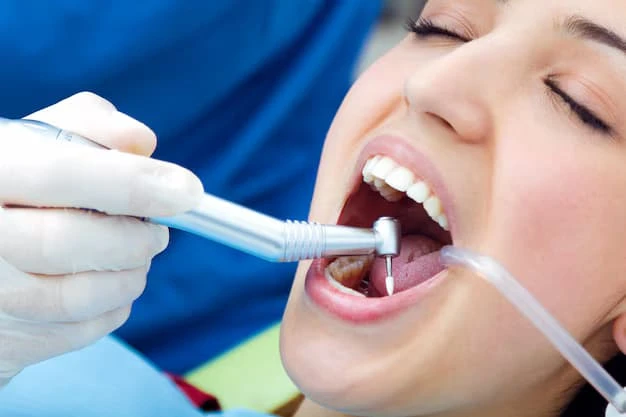

Dental sealants are a preventive dental treatment designed to protect teeth from decay. They are thin, plastic coatings applied to the chewing surfaces of molars and premolars. These surfaces have natural grooves and pits that can trap food particles and harbor bacteria, making them especially susceptible to cavities.
Sealants act as a physical barrier, sealing out plaque and food, and thereby reducing the risk of tooth decay. The procedure is quick, painless, and highly effective, especially for children and teenagers.
Why Children Are Most at Risk for Tooth Decay
The Vulnerability of Developing Teeth
Children and teenagers are the most common recipients of dental sealants because their newly erupted permanent teeth are particularly vulnerable to decay. The enamel on these teeth is not fully mineralized, making it easier for cavities to form. Combine that with less consistent oral hygiene habits, and the result is a significantly increased risk of dental problems.
Challenges in Reaching Back Teeth
Molars and premolars, which are located at the back of the mouth, are the hardest for children to clean properly. Their deep grooves and uneven surfaces trap food particles easily, and brushing alone is often insufficient. Sealants provide an additional layer of protection in these hard-to-clean areas.
How Dental Sealants Work
Application Process
The process of applying dental sealants is simple and usually takes just one dental visit. Here's how it works:
- Cleaning: The tooth surface is thoroughly cleaned to remove any plaque or debris.
- Etching: A special solution is applied to roughen the surface, allowing the sealant to bond properly.
- Rinsing and Drying: The tooth is rinsed and dried carefully.
- Application: The sealant material is painted onto the tooth enamel.
- Curing: A special light may be used to harden the sealant.
Once applied, the sealant forms a protective shield over the enamel of each treated tooth.
Duration of Protection
Sealants can last several years before they need to be reapplied. With good oral hygiene and regular dental checkups, many sealants can last up to 10 years. During dental visits, the sealants are checked for wear and chipping to determine if reapplication is necessary.
Benefits of Dental Sealants for Kids
Effective Cavity Prevention
Studies have shown that dental sealants can reduce the risk of decay in molars by nearly 80%. This significant protection can save parents and children the time, cost, and discomfort associated with fillings, crowns, and other restorative treatments.
Non Invasive and Pain Free
Unlike fillings or other treatments that require drilling or anesthetic, dental sealants are applied without any pain or discomfort. This makes them especially suitable for younger children who may be nervous about visiting the dentist.
Cost Effective Preventive Measure
While dental sealants involve an upfront cost, they are significantly more affordable than restorative dental procedures required for treating cavities. In many cases, dental insurance plans cover sealants for children, making it a cost-effective investment in long-term oral health.
When Should Children Get Dental Sealants?
Timing is Key
Sealants are most beneficial when applied soon after permanent molars come in. The first set of permanent molars usually erupts around age 6, and the second set around age 12. Applying sealants shortly after these teeth erupt ensures maximum protection during the cavity-prone years of childhood and adolescence.
Monitoring Baby Teeth
In some cases, sealants may be recommended for primary (baby) teeth if they have deep grooves and are at high risk of decay. Keeping baby teeth healthy is important because they hold space for permanent teeth and help guide their proper alignment.
Are Dental Sealants Safe?
Dental sealants have been used safely and effectively for decades. The materials used in sealants are approved by dental associations and health authorities. While some sealants contain small amounts of BPA, studies have shown that the exposure level is extremely low lower than everyday items like plastic water bottles or even handling a receipt.
The benefits of dental sealants in preventing tooth decay far outweigh any minimal risk. Parents can rest assured that the application of sealants is a well established and safe practice.
Do Sealants Replace Brushing and Flossing?
Dental sealants are a preventive tool, not a substitute for good oral hygiene. Children still need to brush at least twice a day with fluoride toothpaste, floss daily, and visit the dentist regularly for cleanings and checkups.
Sealants protect only the chewing surfaces of back teeth. Plaque and food can still accumulate between teeth and along the gumline, which brushing and flossing help manage.
Common Myths About Dental Sealants
Myth 1: Sealants Are Only for Kids
While dental sealants are most commonly used in children, adults without decay or fillings in their molars can also benefit from them. In fact, sealants can be a smart choice for adults looking to avoid future dental work.
Myth 2: Sealants Don’t Last Long
With proper care, sealants can last many years. Regular dental visits will help ensure they remain intact and effective.
Myth 3: They’re Too Expensive
Many insurance plans cover dental sealants for children and adolescents. Even when not covered, the cost of sealants is significantly lower than that of treating tooth decay.
What Happens If Sealants Are Not Applied?
Without sealants, children are more likely to develop cavities in their molars. This can lead to:
- Toothaches and discomfort
- Missed school days
- Expensive dental treatments
- Premature tooth loss
Preventing these issues with a simple, effective treatment like sealants can greatly improve a child’s quality of life and set the foundation for lifelong oral health.
Conclusion
Dental sealants are a proven and essential tool in protecting children’s teeth from decay. They provide a safe, painless, and cost effective way to guard the most vulnerable areas of the mouth. While good oral hygiene habits and regular dental visits are still vital, sealants offer an added layer of defense during the cavity prone years of childhood.
For families seeking professional dental care, Flushing Family Dentistry proudly supports the health and happiness of young smiles in the community.





























Sign in to leave a comment.