
Over the last decade, the way families choose homes in Gurgaon has changed dramatically. Earlier, buying a house was primarily about location, size, and price appreciation. Today, especially for parents, the decision goes much deeper. Safety, open spaces, child development, mental well-being, and community living have become equally—if not more—important.

This shift has led to the rise of a new residential concept known as kid-centric homes. These are not just homes with a small play area or a swing set tucked into a corner. Kid-centric homes are thoughtfully planned residential communities designed around the everyday needs of children and families.
In this blog, we’ll explain what kid-centric homes truly mean and why more and more Gurgaon families are choosing them as their preferred way of living.
Understanding the Concept of Kid-Centric Homes
Kid-centric homes are residential developments where children are placed at the heart of the planning process. Instead of treating kids’ amenities as optional add-ons, these projects are designed from the ground up to support a child’s physical, emotional, and social growth.
A genuine kid-centric community typically focuses on:
- Safety-first internal planning
- Open and green play areas
- Reduced vehicular movement
- Dedicated learning and activity spaces
- Community environments that encourage social interaction
The idea is simple: when children have safe spaces to play, learn, and grow, families experience a better quality of life overall.
Why Conventional Housing Often Falls Short for Families
Many traditional residential projects in Gurgaon focus heavily on density and visual appeal. While they may offer premium interiors and tall towers, they often lack the basic elements that families truly need.
Common challenges in conventional housing include:
- High internal traffic movement
- Limited or overcrowded play areas
- Minimal open space
- Dependence on external classes and activities
- Lack of community engagement
For parents, this means constant supervision, frequent travel across the city, and fewer opportunities for children to interact freely.
The Gurgaon Shift: Families Are Prioritising Lifestyle Over Density
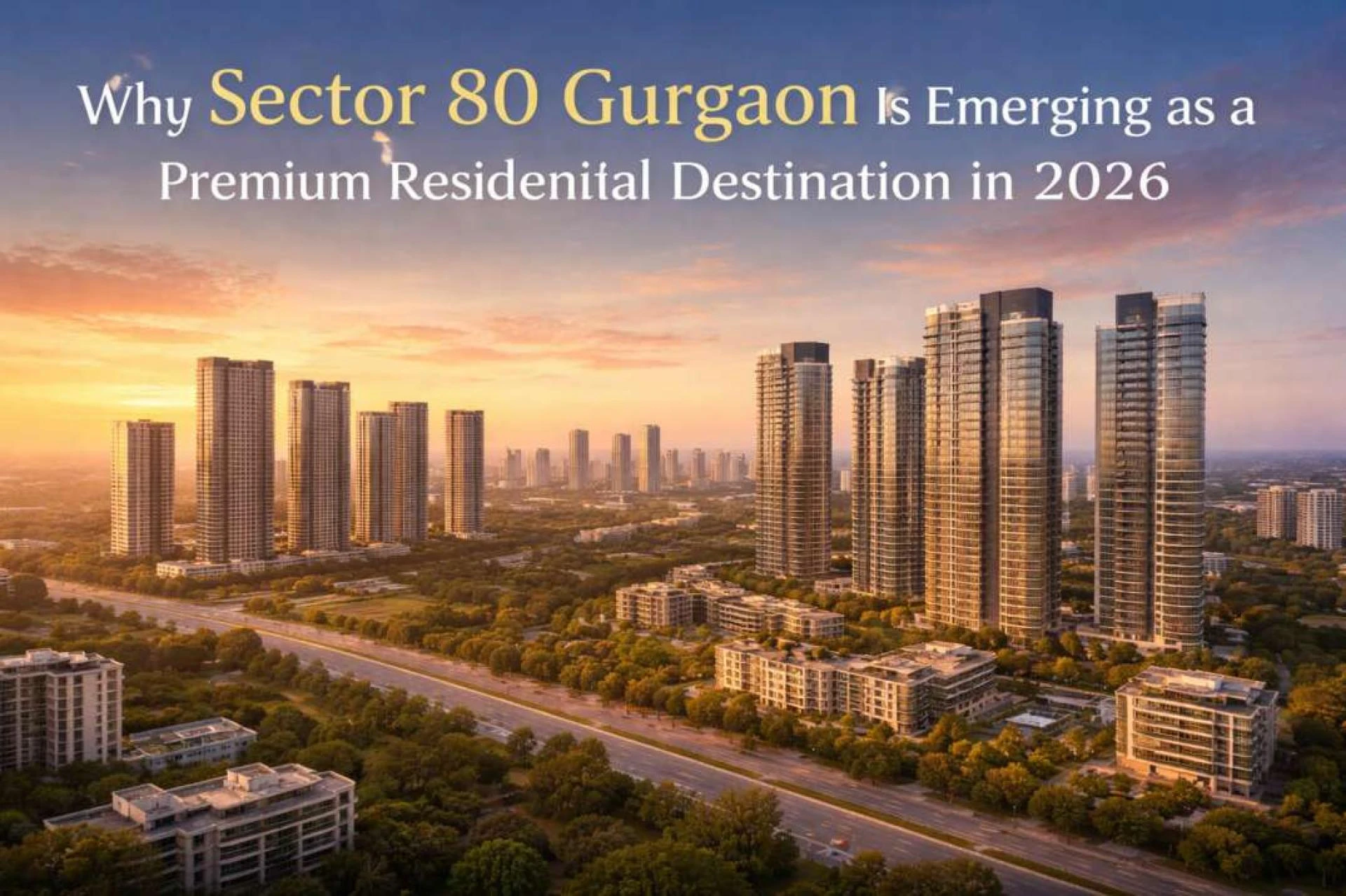
Gurgaon has grown rapidly, especially along NH-48 and the Dwarka Expressway belt. With this growth, families have become more conscious of the long-term impact their living environment has on their children.
Parents today are asking questions like:
- Can my child play safely inside the society?
- Is there enough open space for outdoor activity?
- Are learning and sports facilities available within the community?
- Will this home still suit my family 10–15 years from now?
These concerns are exactly why kid-centric homes are gaining popularity, especially in emerging sectors of New Gurgaon.
What Makes a Home Truly Kid-Centric?
Not every project that claims to be family-friendly actually qualifies as kid-centric. There are certain defining features that separate marketing claims from real planning.
1. Safety Through Design, Not Just Rules
In kid-centric homes, safety is embedded in the layout itself. Pedestrian movement is prioritised, vehicular access is controlled, and play areas are placed away from traffic.
2. Open Spaces That Encourage Daily Play
Children need open areas where they can run, cycle, and play freely—not just designated time slots in crowded parks.
3. Learning Integrated Into Daily Life
Dedicated learning spaces within the community reduce dependence on long commutes and allow children to explore interests in a safe environment.
4. Community Living
When children grow up around other families, they develop social skills naturally. Parents also benefit from shared routines and support systems.
Why Gurgaon Families Are Actively Choosing Kid-Centric Communities
The appeal of kid-centric homes goes beyond children alone. Parents experience tangible lifestyle benefits that make everyday living smoother and less stressful.
Peace of Mind for Parents
Knowing that children can move freely within the society without constant supervision gives parents a sense of security that is hard to find in conventional apartments.
Reduced Daily Travel
With learning, sports, and play facilities available inside the community, families save hours each week that would otherwise be spent commuting.
Healthier Childhoods
Access to open air, green spaces, and physical activity supports better physical and mental development.
Long-Term Livability
Kid-centric homes are designed for families to stay for years, not just as stepping-stone properties.
Location Matters: Why New Gurgaon Fits the Kid-Centric Model
Kid-centric developments are most effective in locations that offer both connectivity and breathing space. New Gurgaon, especially sectors around NH-48, fits this requirement well.
Key advantages include:
- Better road connectivity without central-city congestion
- Larger land parcels that allow low-density planning
- Proximity to schools, hospitals, and workplaces
- Growing infrastructure with long-term potential
This is why many kid-centric projects are emerging in this region rather than in overcrowded city centres.
A Real Example of Kid-Centric Living in Gurgaon
To understand how this concept works in practice, it helps to look at real residential developments that are built around children and families.
One such example is Ashiana Aaroham Gurgaon, a residential community in Sector 80 that has been planned specifically with families in mind. Instead of focusing on tower height or unit count, the emphasis here is on open spaces, safety, learning, and everyday comfort.
Projects like these demonstrate how kid-centric planning can be implemented realistically—not just as a marketing idea, but as a functional lifestyle choice.
The Role of Open Spaces in Child Development
Open spaces are not a luxury for children—they are a necessity. Studies consistently show that access to outdoor play improves physical health, attention span, and emotional well-being.
In kid-centric homes:
- Children spend more time outdoors
- Screen dependency reduces naturally
- Social interaction increases
- Confidence and independence develop organically
This is one of the key reasons families are moving away from cramped, high-density developments.
Learning Beyond Classrooms
Another defining feature of kid-centric homes is the inclusion of dedicated learning zones. These are not substitutes for schools but extensions of a child’s learning environment.
Such spaces encourage:
- Reading habits
- Creative expression
- Skill exploration
- Structured extracurricular learning
By integrating learning into the residential ecosystem, children grow in a more balanced and less pressured way.
Why Parents Trust Kid-Centric Developers
Parents are naturally cautious when choosing a home for their children. They look for developers with a proven track record of delivering what they promise.
Developers who specialise in kid-centric or people-first communities tend to focus more on long-term satisfaction rather than short-term sales. This trust factor plays a major role in purchase decisions.
Communities like Ashiana Aaroham are often preferred because they reflect a consistent philosophy of family-oriented living rather than one-off features.
Are Kid-Centric Homes More Expensive?
One common misconception is that kid-centric homes are significantly more expensive. In reality, while the initial pricing may be comparable to premium projects, the value delivered is much higher.
Families save on:
- External classes and activity memberships
- Frequent travel costs
- Future relocation expenses
Over time, the lifestyle benefits often outweigh marginal price differences.
Who Should Consider Kid-Centric Homes?
Kid-centric homes are ideal for:
- Families with young or school-going children
- Parents planning long-term residence
- Buyers prioritising safety and open spaces
- Families seeking community living over isolation
They may not suit investors looking for quick returns, but they are excellent for end-users focused on quality of life.
Final Thoughts
Kid-centric homes represent a meaningful shift in how residential spaces are designed and experienced. For Gurgaon families, this concept aligns perfectly with modern parenting needs—safety, learning, freedom, and balance.
As urban life becomes faster and denser, choosing a home that genuinely supports childhood development can make a lasting difference. Developments such as Ashiana Aaroham Gurgaon illustrate how thoughtful planning can create environments where children grow confidently and families live peacefully.
For parents exploring better ways to raise their children in a city like Gurgaon, kid-centric homes are no longer a niche idea—they are becoming the new standard.
























Sign in to leave a comment.