
A chemical peel can be a great way to improve the texture and tone of your skin. It can also fade pigment and help treat acne, but it's important to be careful after one. Aftercare is essential for healing your skin after getting treatment for chemical peels in Fort Worth, Texas, or wherever you reside. And it's not as hard or time-consuming as you might think! In this article, we'll go over some key do's and don'ts that will help guide you through the peeling process.
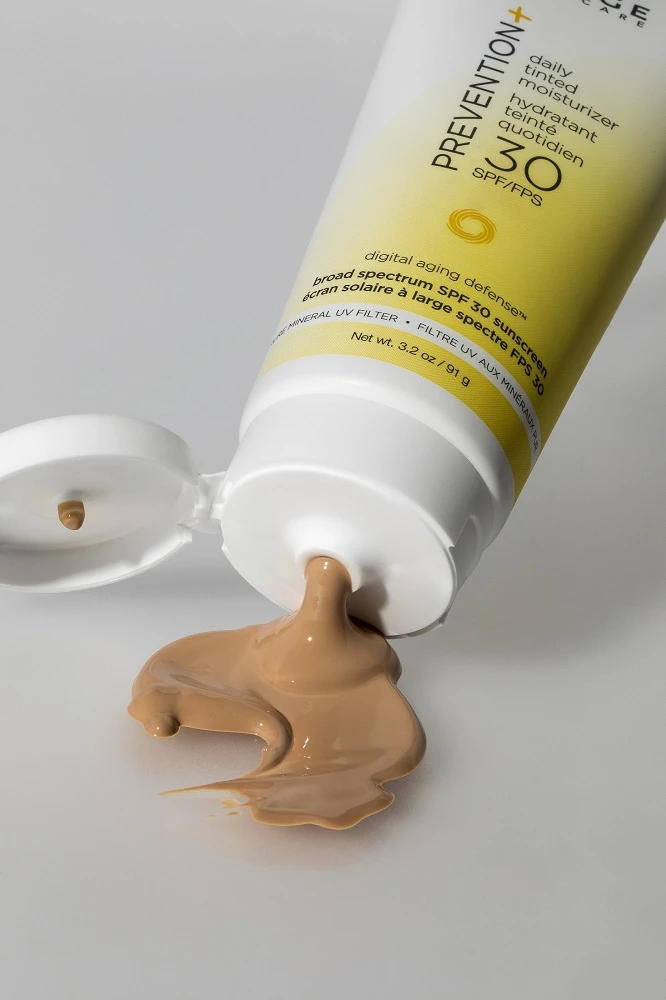
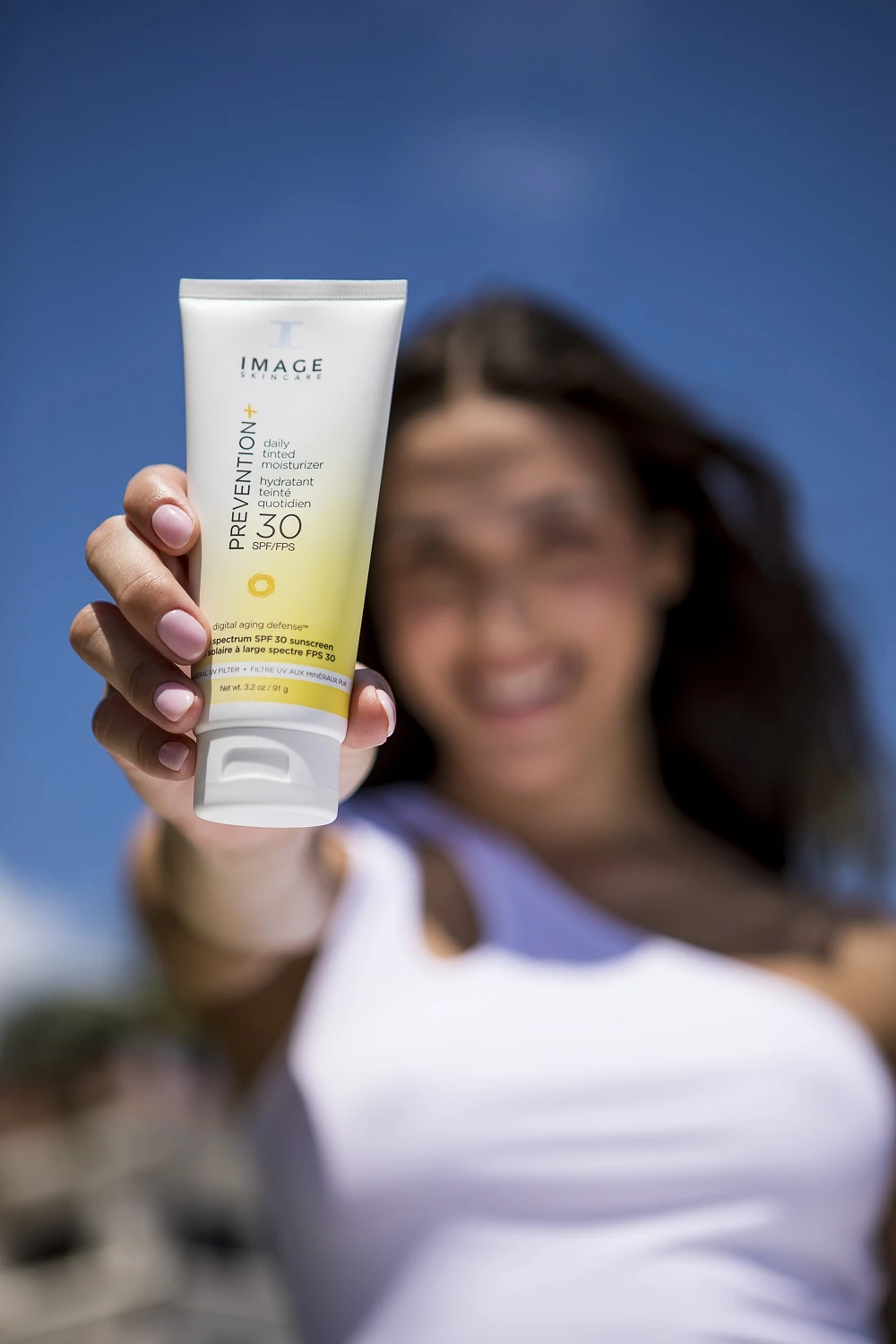
Do wear sunscreen
When you're out in the sun, you can't always control how long you'll be exposed to UV light. The best way to protect yourself is with sunscreen--and it's important that you do so!
Sunscreen contains ingredients like zinc oxide and titanium dioxide that act as a physical barrier between your skin and the sun. These ingredients reflect UV rays away from the surface of your skin, helping prevent damage from occurring (as well as preventing existing damage from getting worse).
Do use a gentle cleanser
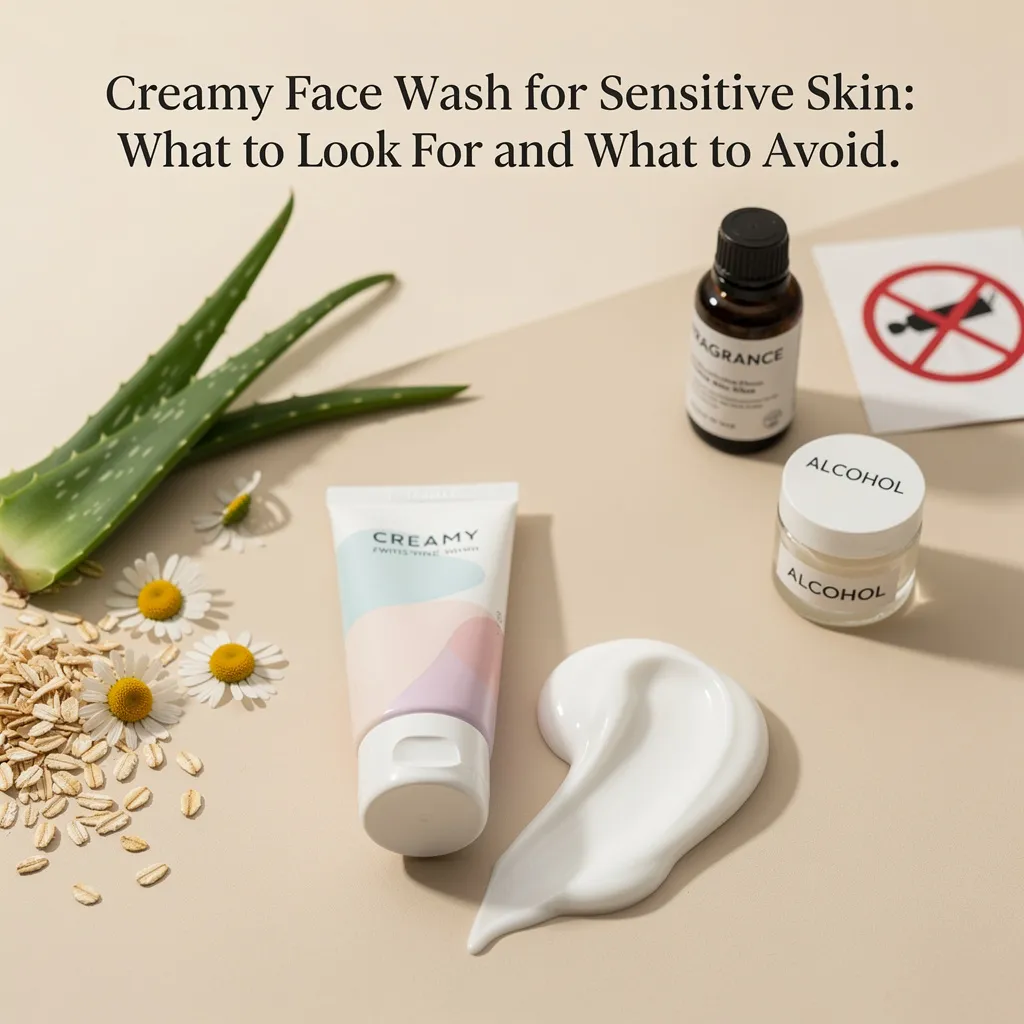
After your peel, it's important to gently cleanse the skin. Avoid scrubs or exfoliating products like face washes with microbeads (which can cause inflammation) or harsh ingredients like alcohol, menthol, and salicylic acid.
Because chemical peels remove dead skin cells from the surface of your face, you should also avoid using products that contain alpha hydroxy acids such as glycolic acid or lactic acid; retinol (vitamin A); beta hydroxy acids like salicylic acid; resorcinol and sulfur-based creams in addition to any other topical acne treatments while you have active peeling happening on your face.
Don't scrub your skin
Scrubbing your skin can cause irritation and damage to the new layers of skin that you've just created.
So what should you do instead? Just gently pat your face with a clean towel or washcloth to remove any excess moisture from the peel, then apply a gentle moisturizer. You want something non-irritating that won't clog pores or dry out your newly-exfoliated epidermis. If your skin feels extra dry after the peel, try using an oil cleanser for some added moisture before applying the moisturizer.
Don't pick, pop or scratch any acne spots or blackheads
If you have acne or blackheads, it's best to avoid picking, popping and scratching them. This is because they can become infected with bacteria if you do so. If you do pick or pop a pimple, make sure that the area around your chemical peel is clean and free of any bacteria that may have gotten into the skin.
If this does happen to occur, it's important to cleanse your face with soap or an antibacterial cleanser as soon as possible after doing so.
Do check the ingredients in your moisturizer
You may want to choose a moisturizer that is lightweight, not greasy and fragrance-free. A good option is a hypoallergenic moisturizer that contains hyaluronic acid (a substance found naturally in the body) and antioxidants such as vitamin E or CoQ10.
Don't use any retinol or other exfoliating products during the peeling time period
When you're in the peeling stage, it's best to avoid using any products that contain retinol or other exfoliating ingredients, usually for about a period of a month. Retinol is a vitamin A derivative that can cause irritation, redness and peeling of the skin if used during this time period.
However if you want to use anti-aging products during this time period, choose those with hyaluronic acid (HA) instead of retinol or salicylic acid (SA). HA helps maintain moisture levels in your skin so it won't be as dry after chemical peeling as it would be without some type of moisturizer.
Do wear only light makeup for about two months after a chemical peel
Do wear only light makeup for about two months after a chemical peel, if you were treated on the face and neck area (or anywhere else on the body).Don't use any retinol or other exfoliating products during the peeling time period.Don't use any heavy makeup for about two months after a chemical peel.Don't go out in the sun without sunscreen during this period, even if it's cloudy outside--the sun can still damage your skin!A chemical peel can improve texture and help fade pigment
A chemical peel can improve texture and help fade pigment, but it's important to be careful with your skin after one. Here are the five do's and don'ts:
Don't use any retinol or other exfoliating products during the peeling time period. These products can irritate newly-exposed skin, so wait until your skin is fully healed before using them again (usually 4-6 weeks).Wear only light makeup for about two months after a chemical peel, especially if you get peels often. The same goes for applying sunscreen--it's best to keep things simple until your skin has healed completely!Conclusion:
A chemical peel is a great way to improve the appearance of your skin. It can help fade pigment, remove scars and wrinkles, smooth fine lines around the eyes and mouth, and even out skin tone. But it's important to be careful after having one done. Follow these tips for aftercare and you'll be on your way to smooth, glowing skin! Similarly if you are opting for the treatment for skin tightening in Fort Worth, Texas, then it is important that you follow the due aftercare procedure as suggested by the spa professionals.














Sign in to leave a comment.