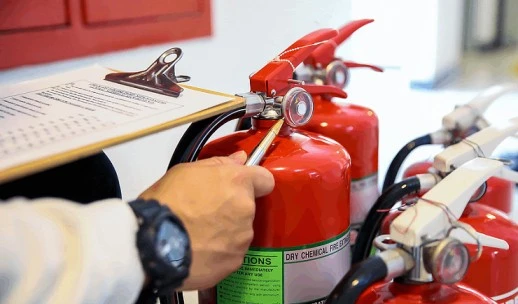

Every workplace presents its unique safety risks and health hazards. Fire hazards are no exception. It is reportedly seen that workplace fires can have a catastrophic impact on lives, businesses, or properties despite their size, status, or location.
There were 152,608 fire incidents recorded in March 2022 causing 272 fire-related fatalities, according to Fire and Rescue Services (FRSs) in the UK alone. Most businesses never fully recover from such fire hazards causing serious damage to individual health and increasing the business’s cost.
Fire prevention, therefore, is an absolute necessity for any work premises. And so, this content will explore some common fire hazards occurring at work and fire safety tips employers and their staff need to know to minimize health risks.
Common Fire Hazards at Work
Fire hazards if not properly managed could result in severe fatal and non-fatal injuries or accidents. These are:
Flammable liquids & vaporsPoor storage & handling of combustible materials and waste materials on a work siteFaulty electric equipmentHuman error & NegligenceDust & debrisBlocked fire exitsOpen fire doorsUntested fire alarmsObjects that produce heatSmoke10 General Fire Safety Tips
To control and minimize the risk of fire employers must need to understand the key areas they need to target to eliminate fire hazards including preventive approaches and safe evacuation.
Below are some effective fire safety tips:
1. Install a Fire Detection System
Installing a fire detection system in the workplace is a legal requirement for businesses to ensure workplace safety against fire hazards. Most workplaces have automatic fire alarms that trigger on their own in an emergency. However, if work premises has manual alarms, employers need to properly educate their employees on how to operate them.
2. Plan Safe Evacuation from Fire
Implementing a safe fire evacuation plan is also a necessity to minimize the risk. Such an emergency plan should have detailed steps an employee needs to take if they discover fire, the types of the warning system, and effective evacuation procedures in an emergency.
3. Maintain Electrical Safety
Maintaining electrical safety is also one important factor that cannot be ignored or else it can pose serious health risks. A huge number of fires can be tracked due to faulty wiring or electrical equipment.
4. Store Hazardous Chemicals Safely
Flammable chemicals can be found in many workplaces and most of these workplaces might think that the chemical regulations do not apply to them. However, employers are legally required to store these dangerous chemicals and substances safely in the work premises to avoid any health risks.
5. Create a Fire Escape Route
Creating safe fire exits following local fire authority is also an effective fire safety tip. Employers must have a dedicated person to get the job done safely who knows a safe place to exit, safety signs, and are well lit.
6. Prevent Ignition in Explosive Areas
Numerous work environments containing a high level of flammable liquids are susceptible to fire hazards and should be treated carefully. Therefore, it is required to avoid the use of sparking tools in these environments to control any electrical hazards leading to fire risks.
7. Keep Fire Safety Equipment Clear
Immediate access to fire safety equipment in the event of a fire is also crucial when it comes to ensuring fire safety in the workplace. Anything that may be needed in case of emergency should not be covered or obstructed but should be clear and easily accessible to minimize the danger.
8. Conduct Regular Fire Risk Assessment
Examining the workplace for any health and safety risks is also significantly important, similar is the case with inspecting the workplace for fire hazards. Employers are required to conduct regular fire risk assessments to identify the fire risks in the workplace and implement vital control measures to eliminate the risk.
9. Train the Personnel
Training the workforce also goes hand in hand when it comes to implementing fire safety tips at work. Employers must take account of their staff training needs and arrange regular training sessions and guidance to create awareness among their staff of fire hazards and possible safety measures. A few training courses that might be helpful for organizations and their workforce are fire awareness training, fire risk assessment training, fire door inspection training, or fire warden training. All these courses offer basic to advance level knowledge to act competently in an emergency.
10. Watch for Fire Safety Signs
Last but not least, fire safety signs. They also act as a preventive safety approach against fire risks. They must be visible and must have pictures so anyone can easily understand them at a glance.
To Summarize
Fire hazards could occur at any time and any place before any warning. What businesses need to do is have proactive approaches to identify, control, and eliminate the risks of fire from their work environment. They must also create awareness among their staff to act competently in an emergency leading to a safe and secure workplace for everyone.
Sign in to leave a comment.