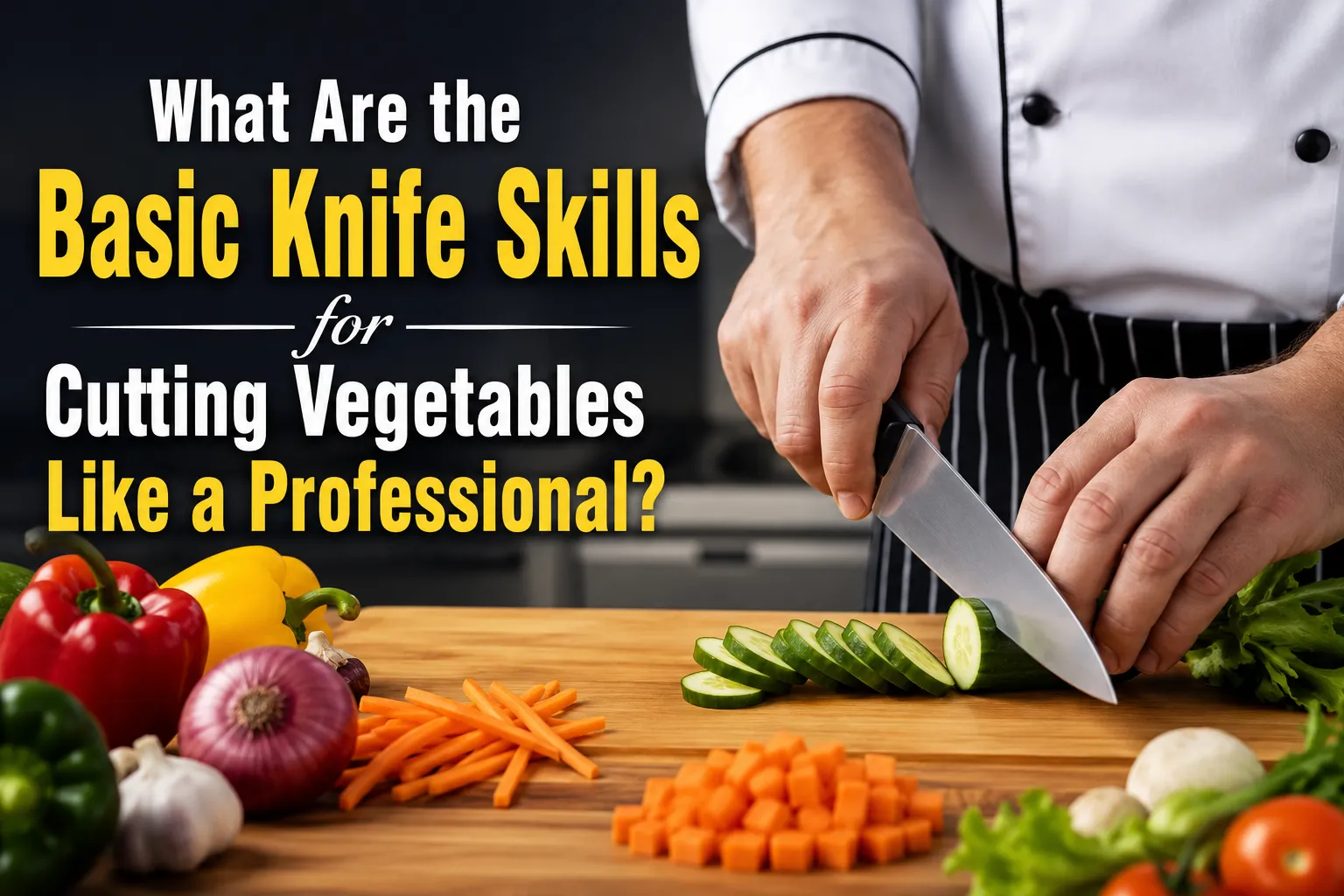

A sharp knife and the right technique can completely change the way you cook. Many beginners struggle with uneven vegetable cuts, slow preparation, and kitchen mistakes simply because they have never learned proper knife handling. Whether you are planning a diploma in hotel management after 10th or simply want to improve your cooking skills, mastering basic knife techniques is one of the first steps toward becoming confident in the kitchen. Professional chefs are not fast because they rush; they are fast because they use smart methods, controlled movements, and practiced skills.
Knife skills are more than just cutting vegetables into pieces. They help maintain food quality, improve cooking consistency, reduce waste, and make every dish look more appealing. A perfectly diced onion or evenly sliced carrot cooks better and creates a professional presentation. Let’s explore the essential knife skills that can help you cut vegetables like a trained chef.
Why Professional Knife Skills Matter in the Kitchen
Cooking begins before the stove is turned on. Preparation, often called “mise en place” in professional kitchens, plays a major role in creating successful dishes. When vegetables are cut properly, they cook evenly and maintain their texture, flavor, and appearance.
A chef with strong knife skills can prepare ingredients faster while staying safe and organized. Poor cutting techniques, on the other hand, can lead to uneven cooking, unnecessary food wastage, and a higher chance of accidents.
Choosing the Right Knife: The First Step to Better Cutting
Before learning cutting styles, it is important to understand your most important tool, the knife.
Use a Chef’s Knife for Most Tasks
A chef’s knife is the most versatile knife in any kitchen. It can handle tasks like chopping onions, slicing vegetables, mincing herbs, and cutting large ingredients. A knife with a comfortable grip and balanced weight gives better control.
Keep Your Knife Sharp
A common mistake is thinking a dull knife is safer. The opposite is true. A dull blade requires more force, making it easier for the knife to slip. A sharp knife moves smoothly through vegetables and allows cleaner cuts.
Professional chefs regularly sharpen their knives using a sharpening stone or honing rod to maintain precision.
Learn the Correct Knife Grip
The way you hold a knife directly affects your speed and safety.
The Chef’s Grip
Hold the knife handle firmly with your dominant hand. Many professional chefs use a “pinch grip,” where the thumb and index finger gently hold the blade near the handle while the remaining fingers wrap around the handle.
This grip provides better control and reduces strain during long preparation sessions.
The Claw Technique for Your Other Hand
Your non-cutting hand should protect your fingers. Curl your fingertips inward like a claw and use your knuckles as a guide for the knife.
This technique keeps your fingers away from the blade while allowing you to cut quickly and evenly.
Essential Vegetable Cutting Techniques Every Chef Should Know
Different dishes require different cutting styles. Learning these basic methods builds a strong foundation.
Chopping: The Everyday Kitchen Skill
Chopping is one of the most common techniques used for vegetables like onions, potatoes, and cabbage. The goal is not just speed but creating pieces of similar size.
Keep the knife tip close to the cutting board and use a smooth rocking motion. Avoid lifting the knife too high, as controlled movements improve accuracy.
Slicing: Creating Clean and Even Cuts
Slicing involves cutting vegetables into thin, flat pieces. It is commonly used for cucumbers, carrots, tomatoes, and mushrooms.
Keep your knife at a consistent angle and use gentle forward and backward movements instead of pressing straight down. This creates cleaner slices and prevents crushing delicate vegetables.
Dicing: The Secret Behind Professional Presentation
Dicing means cutting vegetables into small cubes. It is widely used in soups, sauces, salads, and garnishes.
The professional approach is to first create uniform strips and then cut across them to form cubes. Consistency matters because evenly sized pieces cook at the same speed.
Common dice sizes include:
- Small dice for sauces and fillings
- Medium dice for soups and stews
- Large dice for roasting and hearty dishes
Julienne: The Chef’s Fine Cutting Technique
Julienne refers to cutting vegetables into thin matchstick-shaped strips. This technique is often used for carrots, bell peppers, and salads.
It requires patience and precision. Start by creating a flat surface on the vegetable, cut it into thin slices, stack those slices, and then cut them into strips.
Brunoise: The Advanced Precision Cut
Brunoise is a smaller version of dice and is considered a more advanced knife skill. It creates tiny cubes that are often used in gourmet dishes, sauces, and decorative presentations.
This technique requires excellent control and consistent measurements, making it a skill that separates beginners from professional cooks.
For students interested in building a career in hospitality, learning these fundamentals through a structured hotel management diploma course in Delhi can provide valuable practical exposure to professional kitchen standards and techniques.
Common Knife Mistakes Beginners Should Avoid
Even experienced cooks can improve by avoiding these common errors:
- Using the Wrong Cutting Board: A stable cutting board is essential. Avoid slippery surfaces because they reduce control and increase the risk of injury.
- Cutting Without Preparation: Trying to cut vegetables without washing, peeling, or organizing ingredients slows down the process. Professional chefs prepare their workspace before starting.
- Focusing Only on Speed: Speed comes naturally with practice. Beginners should focus on accuracy first. A slow, controlled technique will eventually become faster with repetition.
How Professional Training Improves Kitchen Confidence
Knife skills are among the first abilities developed in professional culinary training because they influence every area of cooking. Students learn not only cutting methods but also kitchen safety, food presentation, hygiene practices, and time management.
Institutes such as Herbarium Institute of International Hotel Studies help aspiring hospitality professionals build practical skills through industry-focused learning and hands-on kitchen experience.
Practice Tips to Improve Your Knife Skills
Improving knife skills requires regular practice. Try these simple methods:
- Practice cutting one vegetable repeatedly until your cuts become consistent.
- Focus on maintaining the same size and shape.
- Keep your workspace clean and organized.
- Watch professional demonstrations and observe hand movements.
- Practice slowly before increasing speed.
Even 15–20 minutes of regular practice can create noticeable improvement over time.
Turn Basic Cutting Skills Into Professional Kitchen Confidence
Great cooking starts with strong foundations, and knife skills are one of the most important foundations every chef needs. Learning how to hold a knife correctly, create uniform cuts, and work safely can improve both your cooking results and your confidence in the kitchen.
If you want to transform your passion for cooking into a professional career, developing these essential skills with expert guidance can make a real difference. Explore learning opportunities at Herbarium Institute of International Hotel Studies and take the next step toward building a successful future in the hospitality industry.


























Sign in to leave a comment.