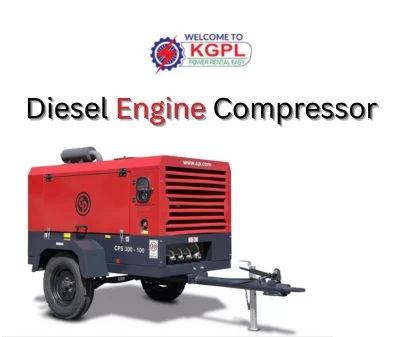
Across industries where reliable compressed air is essential, companies look for equipment that can deliver consistent output even under demanding conditions. A diesel engine compressor has become a preferred choice due to its strong performance, rugged build, and freedom from electrical dependency. From construction sites to mining operations, these machines make it possible to power tools and equipment in locations where electricity is limited or unavailable. In this blog, you’ll learn what makes these compressors effective, why they offer unmatched economic and operational benefits, and how various industries rely on them for daily productivity.
Understanding Diesel-Powered Compressors
Before evaluating the benefits, it is important to understand how these compressors function. They use a diesel-powered engine connected to an air compression system, fuel tank, cooling unit, and control panel. As the engine runs, it turns the air compressor unit, creating high-pressure air that can power pneumatic tools and machinery. Unlike electric compressors, these units are self-sufficient and do not rely on a connected power grid, which makes them ideal for outdoor environments. Their design is focused on maximum output, reliability, and performance, even when operated continuously for long hours.
Powerful Performance in Demanding Jobs
One of the strongest advantages of these compressors is their high power output. Diesel-driven units offer excellent torque, which is crucial when operating heavy-duty industrial tools such as breakers, drilling machines, or impact tools. The ability to maintain consistent power under load ensures stable operation even when several tools are connected at the same time. This makes them suitable for applications where smooth, uninterrupted air pressure is essential. Industries dealing with large-scale civil engineering, infrastructure development, and extraction processes depend on this level of performance because downtime or power fluctuation can lead to costly interruptions.
Mobility Without Electrical Constraints
Many worksites operate in remote regions where the electricity supply is either limited or completely unavailable. In such environments, these compressors deliver a major advantage. Because they operate independently, they can be transported to construction sites, mining fields, agricultural areas, disaster zones, and temporary workspaces with ease. This mobility gives companies the flexibility to run operations anywhere without worrying about power connections, voltage limitations, or the availability of transformers and cables. Even in urban environments, these units provide more flexibility for moving equipment across large spaces without rerouting electrical sources.
High Fuel Efficiency and Reduced Running Costs
Modern compressors are engineered to deliver better fuel performance than earlier generations of diesel-powered equipment. Manufacturers design engines that consume less fuel while achieving higher air output, helping operators significantly lower their long-term operating expenses. Additionally, using fuel rather than electricity provides predictable cost planning for businesses in areas where power tariffs fluctuate. Over the lifetime of the machine, this efficiency translates into noticeable savings. For operations that run continuously throughout the day, the difference in fuel cost versus power expenditure can be substantial.
Durability and Long Service Life
These compressors are built to withstand tough working conditions, including dust, heat, continuous vibration, uneven terrain, and heavy load cycles. Their components are engineered with durability in mind, which contributes to longer service life and reduced wear. Whether subjected to extreme climates or challenging industrial setups, these machines are known to perform reliably without frequent breakdowns. This longevity means that companies get a strong return on investment, especially when compared to equipment that requires constant repairs or premature replacement.
Stable Operation and Reliability
In industries where productivity and timelines are critical, equipment needs to operate without power drops, overheating, or performance variation. Diesel-powered compressors maintain their output even under peak conditions. This reliability helps maintain rhythm in workflows such as drilling, sandblasting, pneumatic cutting, tunnel boring, and infrastructure support tasks. Workers do not have to worry about voltage instability or overloading electrical systems on-site. Consistent air pressure ensures tools operate at maximum efficiency, resulting in smoother operations and fewer delays.
Simple Maintenance and Readily Available Parts
These compressors score high in serviceability. Their designs are simpler than many electrically controlled units, making maintenance easier and faster to perform. Regular oil changes, air filter replacements, and routine checks are typically enough to keep the engines operating efficiently. Additionally, spare parts and repair expertise are widely available, reducing downtime when servicing is required. Many technicians are familiar with diesel engines, which helps reduce repair costs and allows businesses to keep their equipment functioning with minimal disruption.
Applications Across Key Industries
These compressors are widely used across diverse industrial sectors. Construction companies rely on them for powering pneumatic tools, road cutting machines, concrete breakers, and scaffolding systems. In mining, they support drilling, excavation, and ore extraction processes in underground and remote sites. Manufacturing and material handling industries depend on compressed air for machinery, assembly operations, and maintenance equipment. They also play a crucial role in agriculture, oil and gas operations, roadside emergencies, disaster relief efforts, and large infrastructure projects. Their versatility is one of the primary reasons they remain in high demand.
Diesel vs. Electric Compressors
Both technologies offer useful advantages, but diesel-powered units bring unique strengths. Electric compressors depend on a stable electricity supply and are better suited for indoor or factory environments. Diesel-powered devices are designed for outdoor, high-output usage, especially where electrical power is not accessible. While fuel costs apply, their efficiency and independence allow operations to continue without interruptions caused by grid unavailability. Their flexibility and rugged nature make them a preferred choice for construction contractors and field-based industries.
Choosing the Right Unit
Before investing in a compressor, buyers should analyze capacity requirements, pressure output, fuel efficiency, engine power, tank size, noise level, and expected duty cycle. Matching the machine to the operational environment and workload ensures optimal performance. Additionally, access to servicing facilities, spare parts, and technical support should be considered to ensure smooth long-term operation.
Conclusion
We at Keshav Generators Pvt. Ltd. believe that these compressors offer outstanding value because of their durability, reliability, mobility, and excellent performance in demanding environments. For industries that require continuous, powerful, and independent air supply, this type of equipment delivers dependable results and strong long-term cost benefits.










Sign in to leave a comment.