
Introduction:
Are you ready for an incredible adventure into the world of early literacy? Early literacy is a crucial foundation for a child's educational journey, and phonics plays a vital role in developing strong reading and writing skills. By teaching children, the relationship between sounds and letters, phonics helps them decode words and comprehend texts. This blog post aims to explore some of the best phonics Preschool teaching methods empowering educators and parents to support young learners in their reading and writing development.
The Importance of Phonics in Reading Instruction for Young Children:
Phonics is a body of knowledge and skills that explains how the alphabet works. Phonics refers to the process of teaching students to read by improving their pronunciation awareness as well as understanding the links between these sounds and how we use the letters of the alphabet to represent them. This comprehension is required not only to read properly but also to bridge the gap between reading and writing. Students can quickly become confident readers and independent good writers with a solid phonics basis.
The use of phonics is an effective and efficient way of teaching young kids to read. There are approximately 44 sounds in English. The relationship between the letters and sounds should be taught to children in a clear and plain way because there are only 26 letters in the English language and many sounds might have several spellings.
Benefits of Teaching Phonics:
Teaching phonics to preschoolers has several benefits. Some of the main benefits are as follows:
Reading Readiness:
Advanced teaching methods for kids help in the development of fundamental reading skills in preschoolers. Children develop the capacity to read and recognize words by discovering the sounds that letters and letter combinations create.
Increased vocabulary:
Children are taught how to divide words into smaller components, such as syllables and specific sounds, using phonics. By comprehending word structure, they may decode new words and broaden their vocabulary.
Stronger reading abilities:
Children in preschool develop their reading abilities by learning phonics. They are better able to sound out new words, recall familiar ones more quickly, and comprehend the relationship between spoken and written language.
A strong foundation for future learning:
For future literacy abilities, phonics serves as a crucial building component. Preschoolers begin early developing a strong foundation in reading and writing, which makes it simpler for them to pick up more complex language abilities in higher school.
Confidence:
Preschoolers who learn phonics have a greater ability to read successfully on their own. They gain confidence and a greater desire to explore books and improve their reading skills as they develop new skills and decode words.
Phonics Teaching Methods for Preschoolers:
When teaching phonics to preschoolers, it is essential to make it interesting, interactive, and entertaining. Here are some of the most effective phonics Teaching methods for preschool kids:
My Talking Tree Teaching Methods:
My Talking Tree is a robotic teacher assistant, programmed to teach educational video lessons, beautiful rhymes, and stories to children. It also explains key terms in pictorial format and assesses student performance through flashcards, tests, and quizzes. It is integrated with AI. Its features make learning easy and truly fun. It keeps children interested and eager to learn.
Magik Mat Teaching Methods: Magik Mat is a learning device that allows children to learn while playing. It is a combination of game-based educational games that increases the physical and mental ability of children from 2 to 8 years old. This is a non-slip mat that connects to Android devices via Bluetooth.
Parent Involvement:
Parents should be involved in supporting their children's learning by being informed about the value of phonics. Offer parents tools, strategies, and exercises to practice their phonics at home. Encourage them to play phonics games, practice letter-sound associations, and read aloud to their child.
Games and Activities:
Playful phonics games and activities with preschoolers can help strengthen their learning. Examples include word games, interactive apps, word puzzles, and online resources created specifically for teaching phonics. These educational games encourage kids to practice their phonics abilities while also creating a fun learning atmosphere.
Letter-sound association:
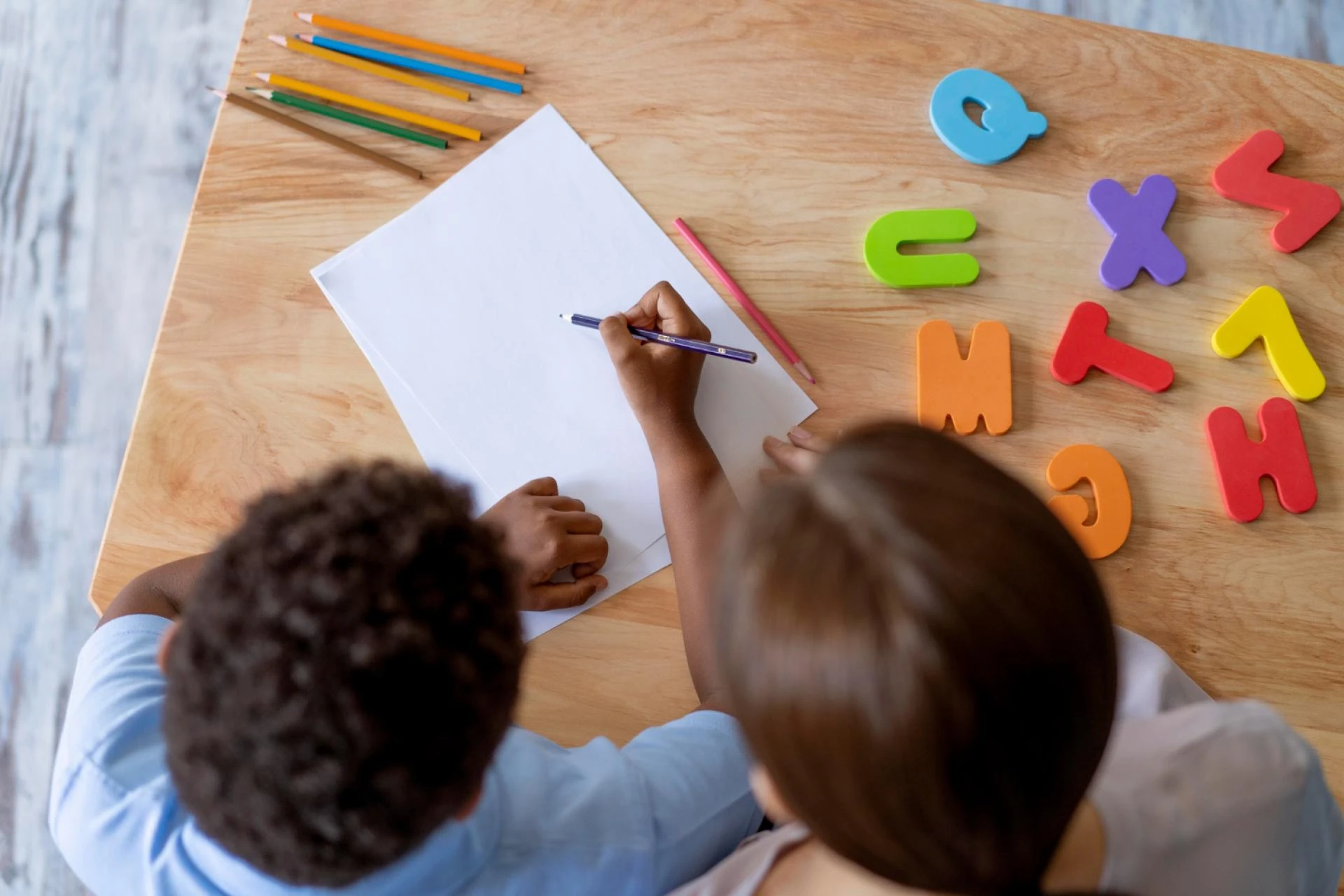
Expose children to the correspondence between letters and associated sounds by using the letter-sound association method. Starting with basic letters and sounds, work your way up to more complicated ones. To strengthen letter-sound relationships, use visual aids like flashcards or letter magnets.
Activities for Promoting Phonemic Awareness:
Phonemic awareness is the ability to recognize and control particular sounds in spoken words. Participate in rhyme-focused, sound-blending, sound-segmenting, and sound-isolating activities with young children. For example, ask kids to identify the first sound of a word or play rhyme games with them.
Practice and Repetition:
Phonics skills must be practiced and repeated to be learned. Daily phonics practice should be a part of the preschool schedule. Make an atmosphere filled with print by adding word walls, charts, and labels that illustrate phonics fundamentals. Encourage kids to read and write words that are phonetically spelled.
Multisensory Techniques:
Preschoolers learn most effectively when this is done. Include hands-on activities like utilizing sandpaper letters for a sensory experience, having students make sound boxes by placing things that begin with sounds, or making words out of devices.
Read More: Interactive learning for kids
Song and Movement:
Preschoolers enjoy music and movement, especially songs. Use songs and chants that emphasize letter sounds or rhymes to teach phonics. To make it more engaging, add gestures or motions. To get kids involved, use gestures like clapping, stomping, or the use of My talking tree.
Read-Aloud:
The sounds and letter patterns in the text should be highlighted while reading aloud to preschoolers. Invest in books that emphasize phonological patterns and repeat sounds. Allow children to recognize sounds or words by pausing while they read. After finishing the story, you can have a conversation about the phonics ideas used.
Conclusion:
In conclusion, many kinds of successful techniques can be used to teach phonics to preschoolers. A multi-sensory strategy that involves children's auditory, visual, and physical senses is among the finest methods. Their awareness of sounds can be improved by using letter-sound relationships, rhyming, blending, and segmenting exercises. Learning is further strengthened by incorporating interactive games, music, and hands-on activities. Additionally, giving kids access to print-rich environments with books and objects that have labels on them helps in their development of a connection between spoken and written language. Successful phonics education in preschool settings depends on a number of elements, including individualized instruction, a nurturing and supportive learning environment, and frequent practice opportunities.
Read More: Education and holistic development








Sign in to leave a comment.