
In the fast-paced world of facility management, accessing Operation and Maintenance (O&M) documentation quickly and efficiently is crucial for completing work orders and ensuring smooth operations. The advent of smart building technology and advanced facility management software has revolutionized this process, enabling engineers and technicians to access critical asset data instantly. To optimize these tools, implementing best practices for organizing O&M documentation is essential.
Here are some key strategies:
Digitize All Documentation
Transitioning from paper-based to digital documentation is the first step towards efficient O&M management. By digitizing documents, facility teams can store and access information on mobile devices, reducing the time spent searching for physical files. Optical character recognition (OCR) and artificial intelligence (AI) integrated into O&M software can help convert decades of documents into searchable digital files.
Utilize Mobile-First Technology
Leveraging mobile-first technology ensures that all facility data is readily accessible via smartphones or tablets. This mobility allows technicians to retrieve and update information on-the-go, enhancing their ability to respond to issues promptly. A robust mobile app linked to your O&M software can provide instant access to manuals, inspection forms, and maintenance logs.
Implement QR Code Scanning
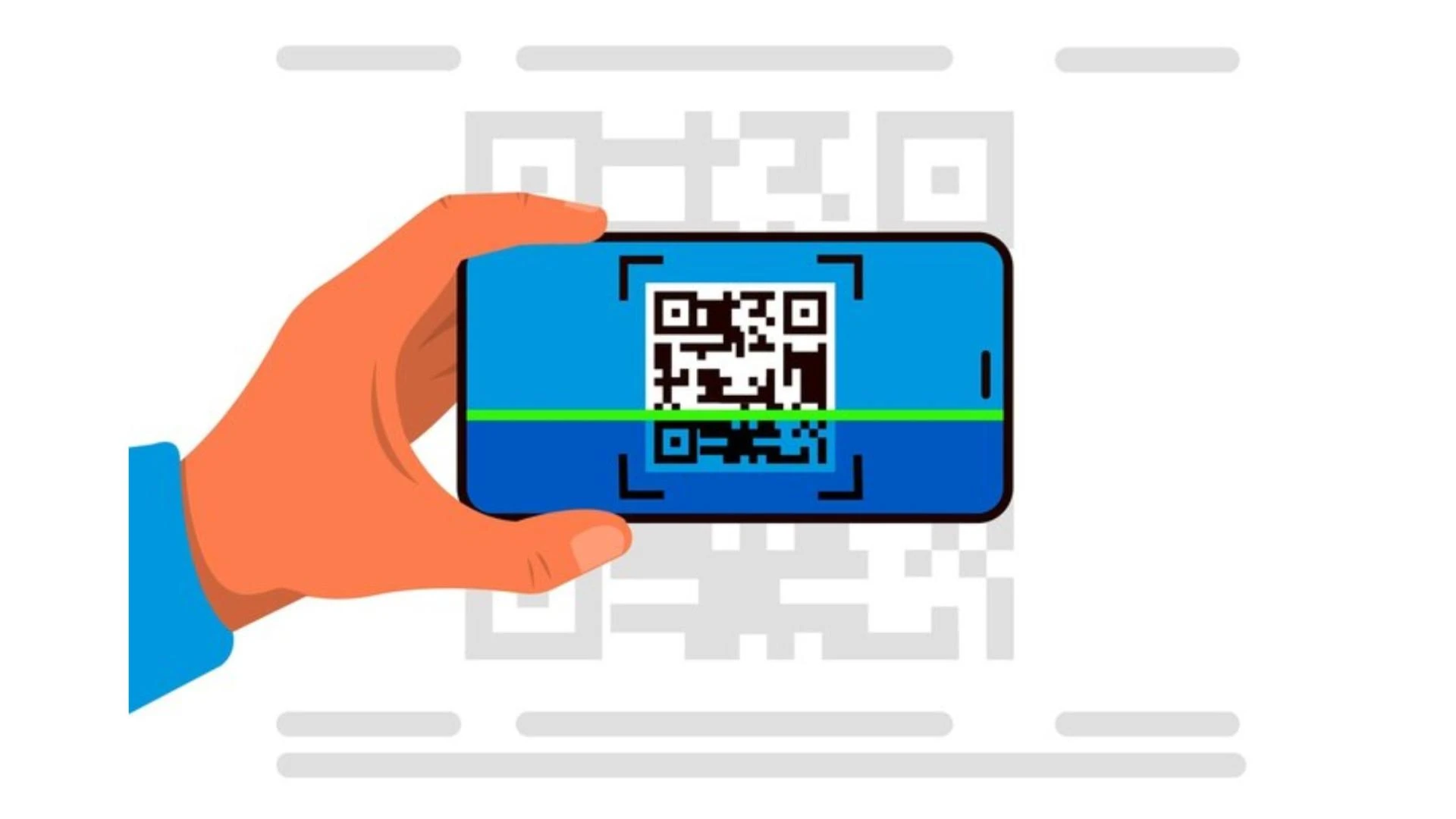
QR codes are an efficient way to link physical assets with their corresponding digital documentation. By attaching QR codes to equipment, technicians can scan the code to instantly access maintenance records, manufacturer details, and part information. This seamless integration of physical and digital records simplifies the maintenance process and reduces the likelihood of errors.
Organize Documentation by Category
Categorizing documents by type (e.g., equipment manuals, maintenance logs, inspection forms) and by specific systems (e.g., HVAC, electrical, plumbing) helps in quick retrieval of relevant information. Using contextual search features within your facility management software can further enhance this organization by allowing users to search for documents based on keywords or specific parameters.
Ensure Data is Up-to-Date
Regularly updating your O&M documentation is crucial for maintaining accuracy and reliability. Implementing a system for periodic reviews and updates of documents ensures that your team always has access to the latest information. Facility management software with automated update reminders can help in maintaining the currency of your documentation.
Enable Easy Sharing and Collaboration
Facilitate collaboration among team members by enabling easy sharing of documents through your O&M software. Cloud-based solutions can provide real-time access to documents for multiple users, ensuring that everyone is on the same page. This feature is particularly useful during emergency situations where timely access to information is critical.
Secure Sensitive Information
While accessibility is important, it’s equally vital to secure sensitive information. Implement role-based access controls within your facility management software to ensure that only authorized personnel can view or edit certain documents. Regularly review and update access permissions to maintain security.
Train Your Team
Ensure that your team is well-versed in using the facility management software and understands the importance of proper documentation practices. Regular training sessions and providing user-friendly guides can help in maximizing the benefits of your O&M software.
Conclusion
Effective organization of O&M documentation is a cornerstone of efficient facility management. By digitizing documents, leveraging mobile technology, and implementing best practices for categorization, updating, and security, facility teams can significantly enhance their performance. Modern facility management software equipped with AI, OCR, and mobile capabilities can be a game-changer, providing instant access to critical information and ensuring that work orders are completed swiftly and accurately.
Embracing these best practices will not only streamline your operations but also contribute to maintaining safe, compliant, and well-maintained facilities across various industries.








Sign in to leave a comment.