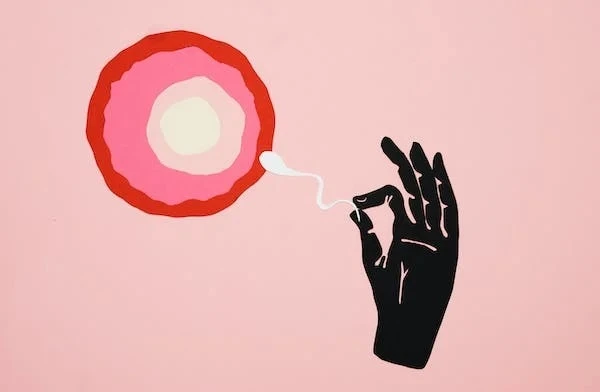

Infertility can be a source of stress and heartache for couples struggling to conceive. In this article, we'll explore the causes of infertility, including those that are symptomless. We'll also discuss treatments that may improve fertility and help couples reach their family-building goals.
Infertility is defined as the inability to conceive after one year of unprotected sex. It affects both men and women, and there can be many different reasons why a couple may experience infertility.
In about 30% of cases, the cause is due to a problem with the man's reproductive system. This can be anything from a low sperm count to a blockage in the ejaculatory ducts. In another 30% of cases, the cause lies with the woman's reproductive system. This could be due to problems with ovulation, or issues with the fallopian tubes or uterus. In the remaining 40% of cases, the cause is unknown or may be due to a combination of male and female factors.
There are many different treatment options available for couples struggling with infertility, but it is important to first identify the underlying cause. Only then can you choose the most effective course of treatment.
Is there a test for infertility?
There is no one definitive test for infertility. A variety of testing options are available to help identify the cause of infertility. These tests may be used individually or in combination. Common tests used to diagnose infertility include:
-Blood tests to check hormone levels
-Ovulation monitoring
-Ultrasound exams
-Hysterosalpingography (HSG) - an X-ray exam of the uterus and fallopian tubes
-Laparoscopy - a surgical procedure in which a small incision is made in the abdomen and a telescope-like instrument is inserted to view the reproductive organs.
What is the success rate of assisted fertility treatments?
Assisted fertility treatments have a success rate of about 40-60%. This means that for every 100 couples who undergo fertility treatment, between 40 and 60 will conceive. The success rate of individual treatments varies depending on the specific procedure being used. For example, in vitro fertilization (IVF) has a success rate of about 30%, while intrauterine insemination (IUI) has a success rate of about 15%. It is important to remember that these are averages, and that any given couple's chance of conceiving with fertility treatment may be higher or lower than these numbers.
What other options are available to couples struggling with infertility?
In addition to fertility treatments, there are a few other options available to couples struggling with infertility. One option is to use donor sperm or eggs. This involves using sperm or eggs from a donor to fertilize the egg of the infertile woman. Another option is to use a surrogate mother. This involves having another woman carry and deliver the baby for the infertile couple. Additionally, some couples may choose to adopt a child.
Conclusion
Infertility can be a challenging and emotional experience for couples. However, understanding the causes of infertility is key to finding an effective solution for your particular situation. There are many potential causes of infertility, some of which require medical intervention while others may respond well to simple lifestyle changes. With support from medical professionals and family members, you can find the right course of treatment that works best for you and increase your chances of achieving a successful pregnancy.











Sign in to leave a comment.