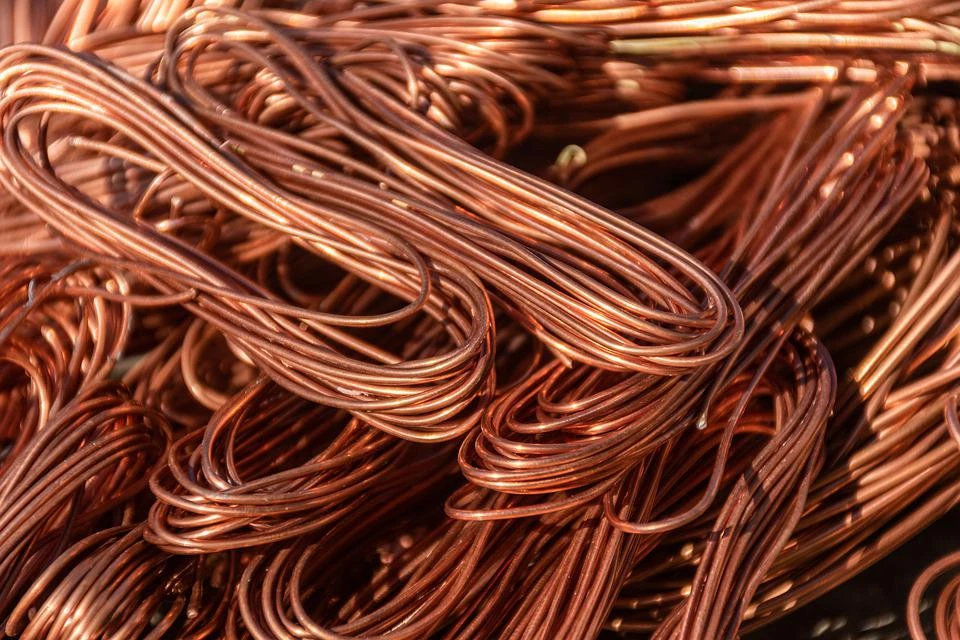

Electrical wires being the basic unit of any electrical system, are nothing but only a bunch of cables clubbed together for the purpose of distributing large amounts of electricity. Another major factor that distinguishes cables from any other regular wire is the range of flexibility that a cable under the sheath provides. The significant part of the controlling panel for electricity at our homes is directly dependent on cables making them an integral part of our home designs. If someone is working with electrical wiring, they should be familiar with certain electrical wiring mistakes. Such mistakes, if not paid heed to, can lead to short circuits, electrical shocks and also fires. A proper knowledge should be kept about these electrical wiring mistakes, so that one can stay aware and rectify them when such situations occur.
The prime factor that plays a key role in terms of choosing a cable is “safety”. Since cables carry electricity throughout the house, one must ensure it is safe in every parameter. Electrical wires are engineered to transmit consistent electric current without leading to any fires arising from accidental short circuits.
Copper wire manufacturing companies pay extra attention while manufacturing electrical wires, so that they are able to eliminate risks of electrical failures, sudden electrical fluctuations, and overloading - all while being highly resistant to fires.
1. Placing Connections Outside the Electric Box
Junction boxes carry out the purpose of safeguarding connections from external accidental damages that might occur. They also keep sparks and heat generated from a loose connection or short circuit, contained. Wires should always be connected and placed inside the electrical box so that they are protected properly.
2. Cutting Wires in Short Lengths
Cutting wires in length that are too short is a very common electrical wiring mistake people do. Wires that are cut in short measurements below the range of requirement have a high potential to result in poor connections. It is advisable to plan out in advance before making cuts to the wire - because in this particular regard - one should keep in mind that having too much is better than having too little. It is stated that wires should protrude from the box by at least three inches.
3. Leaving Plastic Sheathed Cables Unprotected
Often at times, plastic sheathed cables left bare between framing members are prone to getting easily damaged. As a matter of fact, the electrical code states that cables should remain protected in such areas. If a cable runs beneath a wall or any ceiling framing, then it stays at a greater risk of getting heavily damaged.
The exposed cable can be protected by nailing or screwing a 1½” thick board alongside the cable. There's no need to staple the cable to the board.
4. No Proper Support for Outlets and Switches
Loose switches and outlets are very dangerous. Connections which are not securely fastened can move around, leading to wires getting loosened from terminals. After a point of time, such loosened wires can bend and arc along with getting overheated, causing a potential fire hazard.
In order to address this problem, one can skim under the screws to make a compact connection within the box. This can be easily done with the help of spacers, small washers or even a coil of wire sheathed all around a screw.
5. Placing a Three Slot Receptacle Without an Earthing Wire
Two slot outlets are becoming obsolete rapidly since they are not grounded. As modern appliances are increasing, the need to replace these with three slot receptacles are increasing. However, installing a three slot receptacle without proper earthing is equally risky as their two slot alternatives.
If a three slot receptacle is installed, one should always make sure that proper earthing is done. It's better to keep using a two slot receptacle than using a three slot receptacle without earthing or ground wire.
6. Installing Cables with Proper Clamps
When a cable is not held in position with a clamp, chances are it will move around and put stress on connections. If metal boxes are used, the insulation of wires can get cut if they rub against any sharp edge within the box when they are not clamped. In plastic boxes, cable clamps might not be needed, but the cable should be stapled within 8 inches inside the box. Larger boxes usually come with built-in clamps where a cable should be stapled at least within 12 inches inside the box.
There are many things that come up when thinking about how to avoid certain usual electrical wiring mistakes. A few small problems can be easy to address, while the bigger problems should only be solved by a trusted, trained professional. He will ensure that your wiring is done safely, efficiently and adheres to laid down codes. Copper wire manufacturing companies like Vidya Wire manufactures premium quality super enameled copper wires to give all round protection of your electrical wiring. The main thing to keep in mind - choose wisely and check on a regular basis.
0























Sign in to leave a comment.