Whether you are a nurse, first responder, or medical student about to graduate, you may have heard of BLS, ACLS, and PALS certifications. What are the differences between Basic Life Support, Advanced Cardiovascular Life Support, and Pediatric Advanced Life Support certifications? Who needs them? Should you register for an ACLS course or a PALS class? To help you along your journey, here’s a guide to these different certifications.
What Makes ACLS and PALS Different?
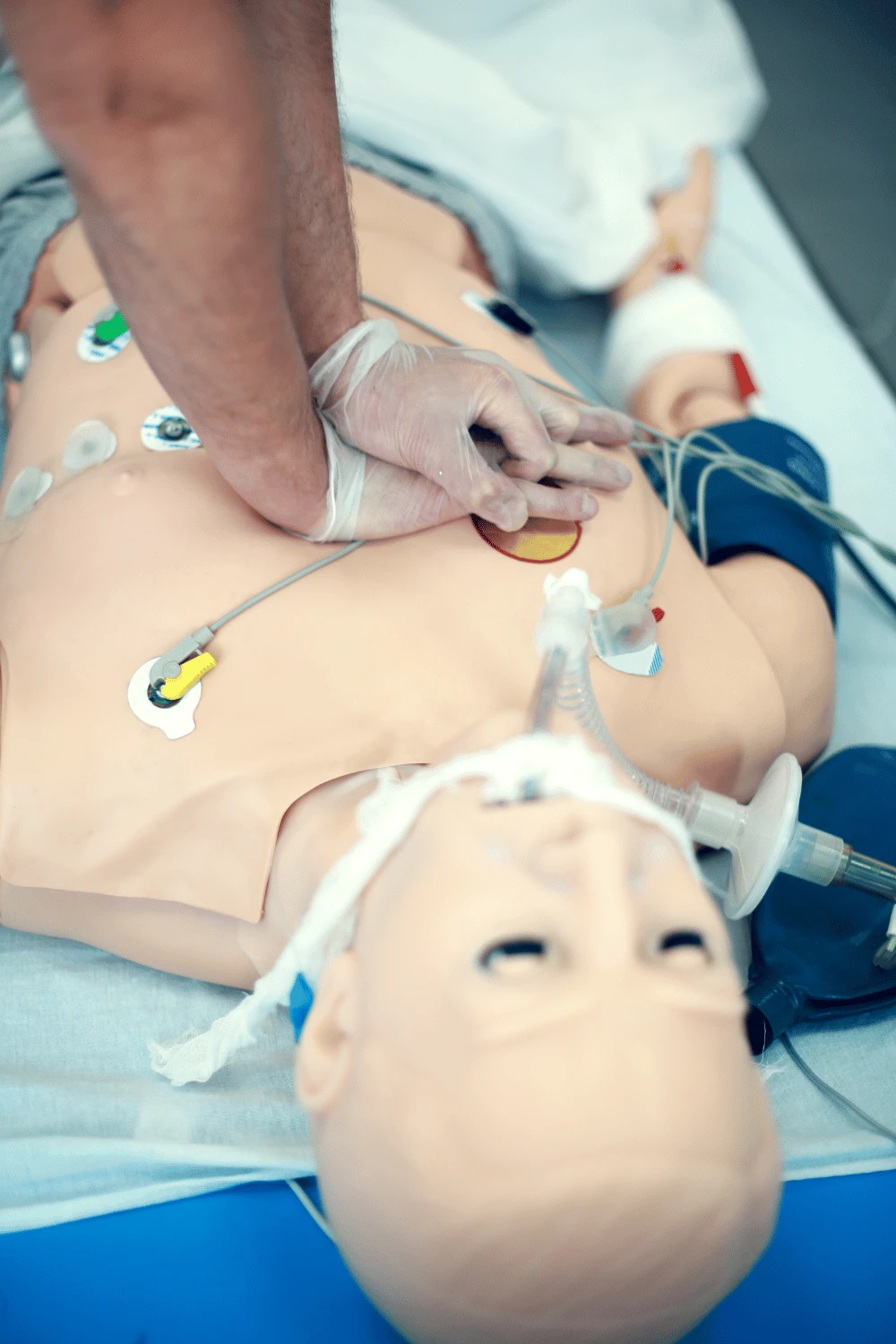
Both ACLS and PALS are advanced life-saving certifications, a step above a BLS certification. BLS stands for Basic Life Support and is a relatively vague term that can refer to the first steps or the basic care that is provided by healthcare providers. When the term BLS is used related to CPR, it is referring to the initial algorithms and actions to treat a cardiac arrest. Every healthcare provider should have their BLS CPR certification at a minimum. BLS CPR training includes the basic initial steps for Adult, Child, and Infant CPR. An ACLS class provides the additional steps to treat adults in cardiac arrest after the BLS steps have been completed. PALS courses provide the next and advanced steps after BLS for infants and children.
Who Needs BLS, ACLS, and PALS Certifications?
All healthcare providers need a BLS certification. It is typically a requirement for all healthcare providers, including nurses, physicians, and allied healthcare clinicians. ACLS and PALS certifications generally depend on where you work or your position. Emergency department nurses and doctors or first responders will likely be required to have ACLS certifications. Those same healthcare professionals may also be required to take a PALS course. Any advanced healthcare provider that may be required to treat infants and children will also need a PALS certification. If the certifications aren’t required for your profession, you may still want to get them. Proper certifications can help you do your job even better and open up career opportunities.
When Should You Get Your Certifications?
Generally, nurses and doctors should get their certifications before starting a new position. Medical students may even have the opportunity to get their certifications before graduation. Most healthcare organizations will note whether a BLS certification is needed before you can start a job. Then, ACLS and PALS certifications are typically obtained within three to six months of starting the job. Depending on your title, you may have leeway. Per diem nurses, however, are expected to already have these certifications before starting the job. Some organizations may even coordinate the training for new hires if they have an agreement with a training provider.
How Do You Renew Your Certifications?
PALS, BLS and ACLS certifications are valid for two years.Initial ACLS and PALS certifications are two-day courses, while recertification is usually a one day in six to eight-hour course. If your certification lapses, you may not be able to work until you recertify. Check to see if your employer pays for recertification or if you have to renew it independently. It may even be possible to get your course materials early so you’re prepared for the class. If you know when your credentials are set to expire, you can get recertified accordingly.
About Cascade Training Solutions
As an authorized provider of many healthcare and workplace safety curricula, Cascade Training Solutions teaches more than 100,000 students to save lives each year. Since 2002, Cascade Training Solutions has provided healthcare organizations, individuals, public safety agencies, and corporate entities with resuscitation, safety, and compliance training, from basic workplace safety to advanced life-saving techniques. Seven centers provide training and certification to help you perform your job better and even advance your career with more than 25 nationally validated certification courses. From multi-state organizations looking for a complete education and compliance program to individuals in need of specific certifications, Cascade Training Solutions has a cost-effective, patient care-focused solution for you.
Find out how you can get certified with ACLS and PALS courses at https://www.cascadetraining.com/
Original Source: https://bit.ly/3Q1e5Op











Sign in to leave a comment.