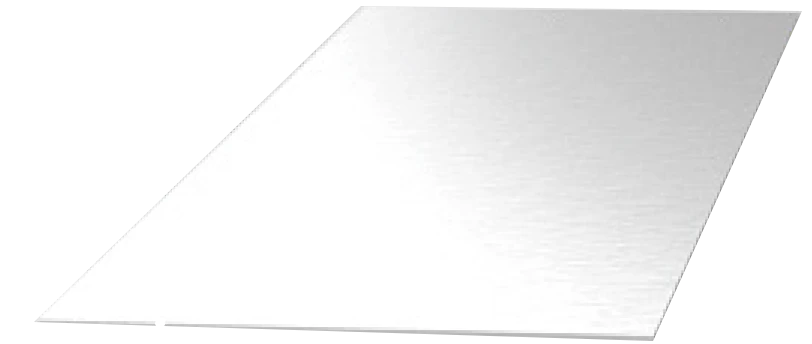

In contemporary structures, cladding material is a crucial factor in establishing the performance and appearance of the structure. Aluminium Cladding Panels and aluminium composite panels (ACPs) are two popular materials used in construction, each with its own unique properties. This would allow the architects, contractors and builders to make the right decision when choosing their material based on the construction project.
What are solid aluminium panels?
Solid aluminium panels are made entirely of aluminium and are known for their durability, strength, and uniform structure. Although compared to composite options they are more massive, such panels demonstrate great operational characteristics concerning their impact, corrosion, and fire resistance making them ideal for use in projects that require highly durable solutions. They are often used in high-traffic and industrial areas that demand robust materials.
What are aluminium composite panels?
Aluminium composite panels (ACPs) consist of two outer aluminium sheets that are laminated to a core layer, which can be polyethylene (PE), or a fire resistant material. ACPs are thin, light and inexpensive and can provide a huge variety of profiles with different surface finishes, profiles, and colors. They are widely used for both interior and exterior cladding in commercial and residential projects, particularly when aesthetic appeal is a key consideration.
Key differences between solid aluminium panels and ACPs
The major difference between aluminium panels vs. composite panels are mentioned below:
1. Material composition
One of the main aspects of the Solid Aluminium Panels is that it consists of a single sheet of aluminium, which gives the material great density and resistance. ACP, on the other hand has multi-layered in which two sheets of aluminium skin are sandwiched between a non-aluminium core making it lighter but not as rigid.
2. Durability and strength
For unbroken and strong aluminium with no joints or rivets they are superb for high stress usage and where subject to harsh weather conditions. ACPs are longer lasting for light duty but are not able to take the same amount of hit or use.
3. Weight
Apparently, solid aluminium panels are heavier than aluminium sheets of similar thickness because of its fully developed metal structure. In this, ACPs have the advantage of being relatively light to enable easy fixing and support less loads on the buildings structures.
4. Cost
ACP is lighter than solid aluminium panels because of lower aluminium content, meaning that to achieve the same weight strength to strength, costs are relatively higher than that of ACP. ACPs prove to be cheap for applications in which cost is a limiting factor.
5. Aesthetic versatility
ACPs provide more design variation compared to verticals; they are available in wood, marble and other custom patterns. Though they come in variety of colours, you get very few options for designing with solid aluminium panels.
Uses of solid vs. composite aluminium panels
Some of the uses of uses of solid vs. composite aluminium panels are mentioned below:
- Solid aluminium panels: These panels are preferred for industrial settings, high-traffic areas, and projects requiring enhanced fire safety or structural integrity. Applications include airports, railway stations, and facades in extreme climates.
- Aluminium composite panels: ACPs are favored for projects emphasizing aesthetics and cost-efficiency, such as residential facades, interior walls, signage, and decorative structures. Their lightweight and flexibility make them ideal for intricate designs.
Conclusion
For architectural projects demanding exceptional strength and durability, explore options from reliable aluminium panels manufacturers. Their expertise ensures you receive high-quality materials tailored to your project’s specifications.
Whether your focus is on robust performance or stunning designs, understanding the differences between solid aluminium panels and aluminium composite panels empowers you to choose the right material for a successful construction project.


























Sign in to leave a comment.