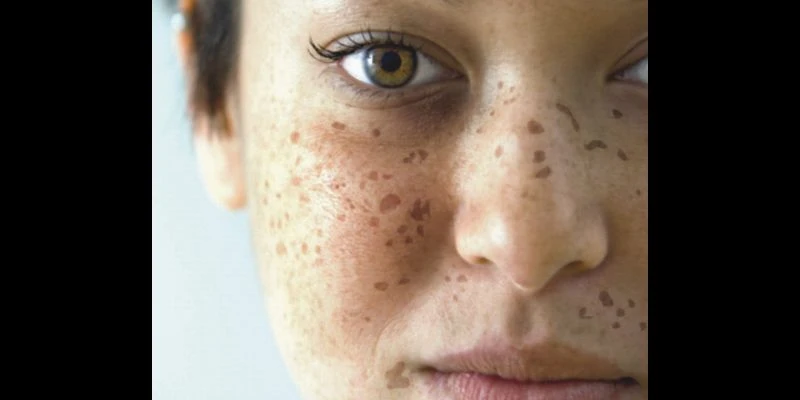

Vitiligo is a skin condition that affects millions of people worldwide. It's characterized by the loss of skin pigment, resulting in white patches on the skin. While vitiligo doesn't pose any serious health risks, it can be distressing for those who suffer from it, particularly when it affects visible areas of the body like the face or hands. In this blog, we'll discuss the different types of vitiligo and the most effective vitiligo treatment in Bangalore.
Types of Vitiligo
There are two main types of vitiligo: segmental vitiligo and non-segmental vitiligo.
Non-Segmental Vitiligo
Non-segmental vitiligo is the most common form of vitiligo, accounting for about 90% of all cases. It's characterized by the presence of white patches on both sides of the body, often in symmetrical patterns. Non-segmental vitiligo can be further classified into four subtypes:
A. Generalized Vitiligo: This is the most common form of non-segmental vitiligo, affecting more than 80% of people with the condition. It usually starts on the hands, feet, or face and can spread rapidly to other parts of the body.
B. Universal Vitiligo: This is a rare form of vitiligo that affects almost the entire body, including the scalp, face, and mucous membranes.
C. Acrofacial Vitiligo: This type of vitiligo affects the face, hands, and feet, particularly around the fingers and toes.
D. Mucosal Vitiligo: This type of vitiligo affects the mucous membranes of the body, such as the mouth, nose, and genitals.
Segmental Vitiligo
Segmental vitiligo is less common than non-segmental vitiligo and only affects one side of the body. It usually develops at an early age and tends to be more stable and less progressive than non-segmental vitiligo.
Available Treatments for Vitiligo
While there is currently no cure for vitiligo, several treatments can help manage the symptoms and improve the appearance of the skin. The most effective vitiligo treatment depends on the type and severity of the condition and may include the following:
Topical Medications
Topical medications are often the first-line treatment for mild to moderate cases of vitiligo. These medications include corticosteroids, calcineurin inhibitors, and vitamin D analogs, and they work by suppressing the immune system and reducing inflammation in the skin.
Phototherapy
Phototherapy involves exposing the skin to ultraviolet (UV) light to stimulate the production of melanin in the skin. There are two main types of phototherapy: narrowband UVB and PUVA therapy. Both of these treatments have been shown to be effective in treating vitiligo, particularly in combination with other treatments like topical medications.
Excimer Laser Therapy
Excimer laser therapy uses a high-energy laser to target the areas of skin affected by vitiligo. The laser stimulates the production of melanin in the skin and can help restore pigment to the affected areas. Excimer laser therapy is particularly effective for small, localized areas of vitiligo.
Surgical Treatments
For more severe cases of vitiligo, surgical treatments may be necessary. These treatments include skin grafting, micro pigmentation, and tattooing, and they work by transplanting pigment cells from other parts of the body or by applying pigments directly to the skin.
Counseling and Support
Living with vitiligo can be challenging, and many people with the condition may experience feelings of anxiety, depression, or social isolation. Counseling and support groups can be an essential component of vitiligo treatment, providing emotional support and helping individuals cope with the psychological impact of the condition.
In addition to these treatment options, there are several lifestyle changes that can help manage vitiligo symptoms and improve overall skin health. These include:
Avoiding sun exposure: Sunburn can worsen the appearance of vitiligo, so it's essential to protect the skin from UV radiation by wearing protective clothing and using sunscreen.
Eating a healthy diet: A balanced diet rich in vitamins and minerals can help support healthy skin and promote melanin production.
Managing stress: Stress can trigger vitiligo symptoms, so it's important to find ways to manage stress and anxiety, such as meditation or exercise.
Avoiding harsh chemicals: Chemicals like bleach or hair dyes can irritate the skin and worsen vitiligo symptoms. It's best to avoid these products or use them with caution.
In conclusion, vitiligo is a skin condition that affects millions of people worldwide. While there is no cure for vitiligo, several treatment options can help manage the symptoms and improve the appearance of the skin. If you're experiencing symptoms of vitiligo, it's essential to seek help from a qualified dermatologist or skin specialist who can recommend the most effective vitiligo treatment for your specific condition. With the right treatment and support, it's possible to live a healthy and fulfilling life with vitiligo.











Sign in to leave a comment.