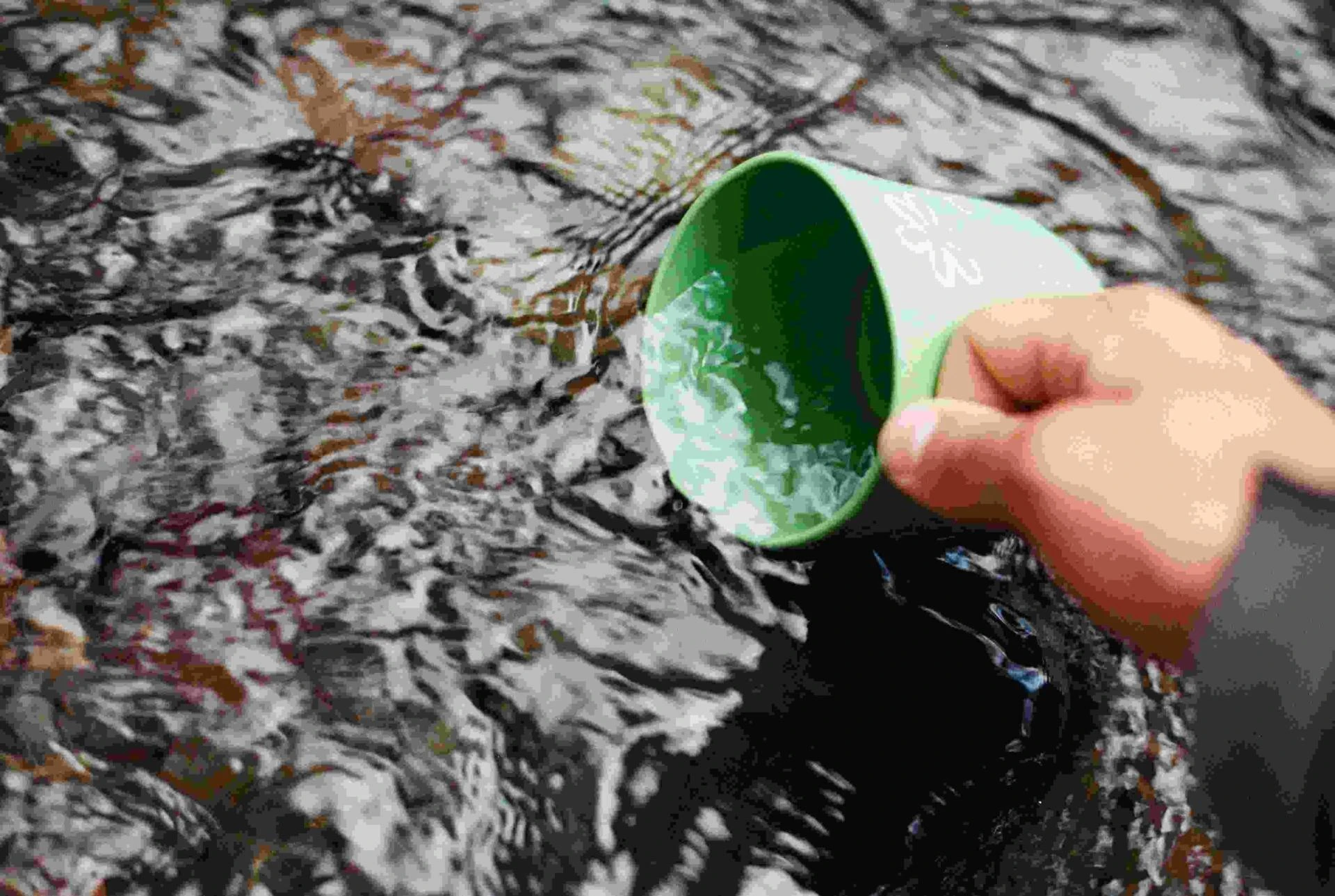

Drinking water is something essential to us humans. This keeps us hydrated and helps our body function properly but of course, the water being consumed must be CLEAN. Drinking unclean water can have pretty bad effects on a person\'s body.
Ways water can be considered “unclean” when it contains contaminants and pollutants. So for you to be a little bit more cautious about the water you’re consuming, let us give you an idea of the effects you can expect when drinking unclean water:
1 - Waterborne Diseases
Contaminated water is the source of many illnesses, including cholera, typhoid fever, dysentery, and gastrointestinal infections. Contaminated water also harbours dangerous bacteria, viruses, and parasites.
These infections may be acquired by drinking or using contaminated water, which can put vulnerable populations at risk for serious health problems or even death, especially in developing nations with poor sanitation infrastructure.
To lower the risk of transmission, preventive measures include infrastructure for adequate sanitation, hygiene education, and water purification like water filter taps. To reduce the transmission of waterborne infections and enhance public health outcomes worldwide, water quality must be addressed through filtration, disinfection, and community health programmes.
2 - Gastrointestinal Issues
One of the most common effects of drinking unclean water is gastrointestinal issues such as vomiting, diarrhea and stomach cramps that can also lead to dehydration. This is especially dangerous for children and seniors!
3 - Chronic Health Conditions
Consuming unclean water for a long period can make you immune to gastrointestinal issues but not from chronic health considerations. Prolonged consumption of unclean water contaminated with lead, mercury, arsenic and more can cause chronic health conditions such as kidney damage, cancer, neurological disorders and so much more!
4 - Nutritional Impact
People may avoid drinking enough water in areas where water supplies are contaminated, which can cause dehydration and hurt general health and well-being. Also, improper absorption of vital nutrients is impeded by contaminated water, worsening malnutrition and eroding immunity.
This may lead to heightened vulnerability to illnesses, hindered physical and mental growth in kids, and decreased efficiency in grown-ups. Maintaining nutritional health, facilitating metabolic processes, and fostering general community well-being all depend on having access to clean water.
5 - Impact on Children
Children\'s growing immune systems make them especially susceptible to the effects of contaminated water. Long-term health problems, cognitive decline, and development retardation can all result from waterborne infections.
Malnourishment and recurrent infections impede their growth even more, resulting in long-term health issues and worse academic performance. Their healthy growth and development need to have access to clean water.
Common ways water can be considered “unclean”
Microbiological Pollutants:
- Bacteria: Empathies such as E. Vibrio cholerae, Salmonella, and E. Coli can all cause serious gastrointestinal disorders.
- Viruses: From mild gastroenteritis to severe hepatitis, viruses including the rotavirus, norovirus, and hepatitis A can cause a variety of illnesses.
- Parasites: The gastrointestinal system can get infected with parasitic worms and protozoa such as Giardia and Cryptosporidium.
Chemical Pollutants:
- Heavy Metals: Long-term health impacts from lead, mercury, arsenic, and cadmium can include cancer and neurological impairment.
- Herbicides and pesticides: Chemicals utilised in agriculture have the potential to leak into water sources and contaminate them.
- Industrial Chemicals: Improper waste disposal and industrial discharge can introduce chemicals like solvents and polychlorinated biphenyls (PCBs) into water systems.
Physical Pollutants:
- Sediment and Particulate Matter: Water sources can become turbid due to the introduction of dirt, sand, and silt caused by soil erosion, runoff, and building activities.
- Microplastics: Tiny plastic particles that pose dangers to human health and the environment can find their way into water bodies through plastic trash and break down over time.
Organic Impurities:
- Natural Organic debris (NOM): Organic chemicals that alter taste and odour can be introduced into water sources by decomposing plant and animal debris.
- Volatile Organic Compounds (VOCs): These can contaminate surface and groundwater and come from gasoline spills, industrial solvents, and chemical leaks.
Pollution of Nutrients:
- Nitrates and Phosphates: Overabundance of nutrients from wastewater discharge and agricultural runoff can cause an overabundance of algae, which can result in eutrophication and hazardous algal blooms.
Radioactive Impurities:
- Naturally occurring radioactive materials such as radium, uranium, and radon can pose health concerns to people by leaking into groundwater from geological formations.
Prescription drugs and personal hygiene items:
- Hormones and medications: When personal hygiene items and pharmaceuticals are disposed away improperly, small quantities of these chemicals may end up in water sources.
Runoff from Industry and Cities:
- Oil and Grease: Hydrocarbons and other contaminants can find their way into water bodies through runoff from parking lots, roadways, and industrial sites.
- Heavy Metals: Metals from industrial operations, tyre wear, and vehicle emissions can find their way into urban runoff.
Wastewater and Sewage:
- Pathogens and Nutrients: Untreated or insufficiently treated sewage can contaminate and eutrophicate water sources by introducing pathogens and nutrients.
Intrusion of Saltwater:
- Salinity: When groundwater is over-extracted close to the shore, saltwater seeps into freshwater aquifers, raising the salinity of the water supply.
Take away
To guarantee the security and calibre of drinking water, it is imperative to keep an eye on and manage these sources of pollution. Communities may be safeguarded and health risks can be avoided with the help of efficient water treatment, frequent testing, and quick reaction to pollution. Strong laws and public awareness initiatives improve water safety even further, guaranteeing that everyone has access to clean, safe drinking water.
Sign in to leave a comment.