

The types of pet fences include many forms, each designed to keep animals safe, contained, and comfortable. Some focus on strong physical barriers, while others use electronic systems to create invisible boundaries. The types of fences for pet fencing are listed below:
Vinyl fence
Chain link fence
Picket fence
Aluminum fence
Electric dog fencing
Invisible fence
Split rail
Wooden dog fence
Classic iron fence
Lattice fence
Plastic dog fence
Traditional wood fences
Vinyl Fence
Vinyl fencing is made from PVC and works well for pets because its smooth, solid panels prevent climbing, chewing, or squeezing through. It provides both security and privacy without risks like splinters or rust, and pets rarely damage it. Installation typically costs $20 to $40 per linear foot, and with minimal upkeep, a vinyl fence lasts 20 to 30 years. For pet owners who want safety and style, vinyl is a long-lasting and low-maintenance choice.
Chain Link Fence
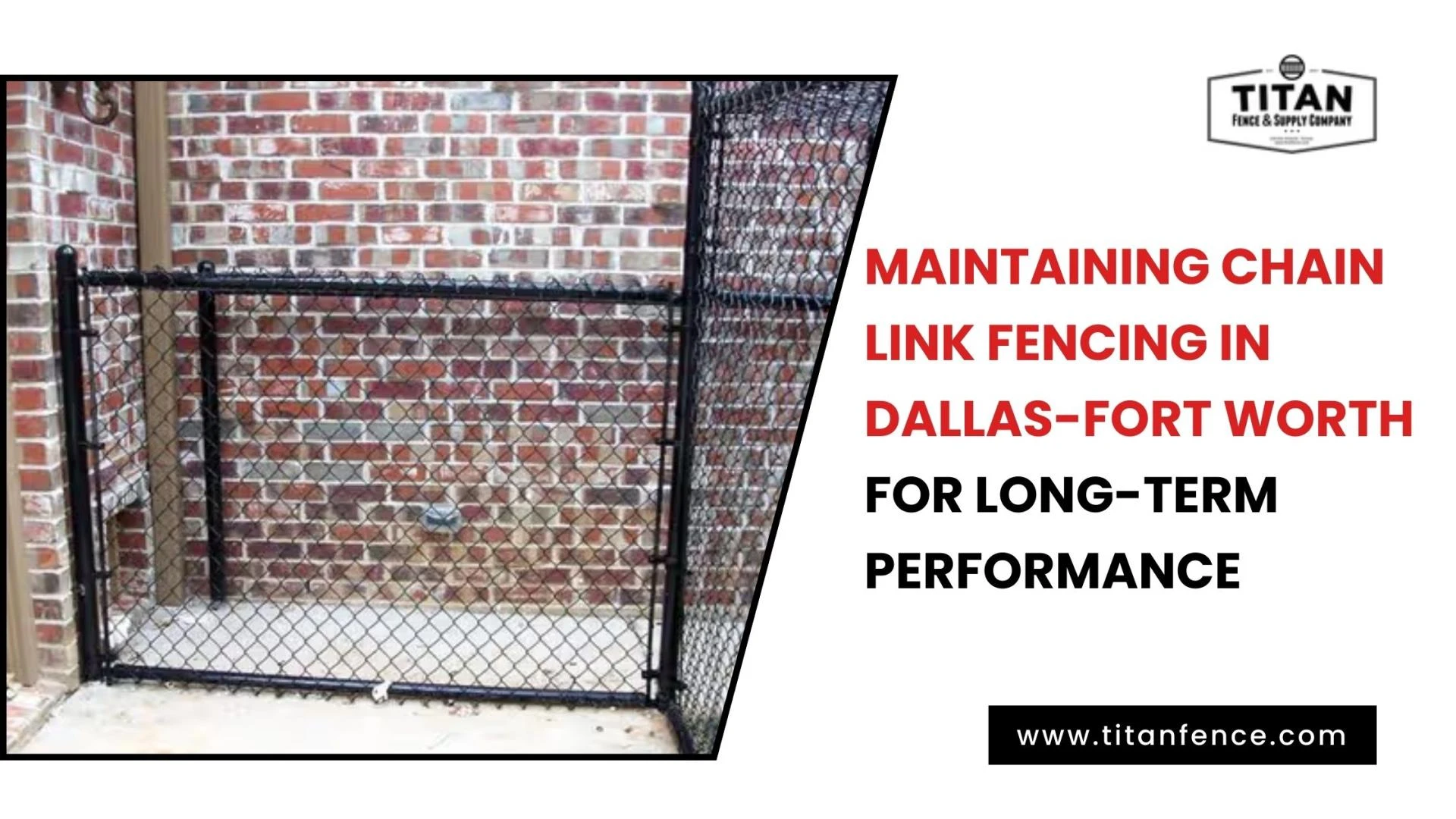
Chain Link Fencing Dallas-Fort Worth is woven steel mesh that contains pets while keeping airflow and sightlines. It is especially suited for medium to large dogs since the strong mesh resists chewing and climbing. With costs averaging $10 to $20 per linear foot, it offers one of the most affordable ways to enclose large areas. A chain link fence usually lasts 15 to 25 years with minimal maintenance, making it a reliable option for pet owners.
Picket Fence
Picket fencing, made of wood or vinyl, uses upright slats with gaps that can be adjusted to keep pets safely inside. It is ideal for small to medium animals since the spacing can prevent squeezing through while still allowing visibility. Costs range from $15 to $30 per linear foot, with vinyl lasting longer and needing less maintenance than wood. Picket fences add character and charm while providing safe containment.
Aluminum Fence
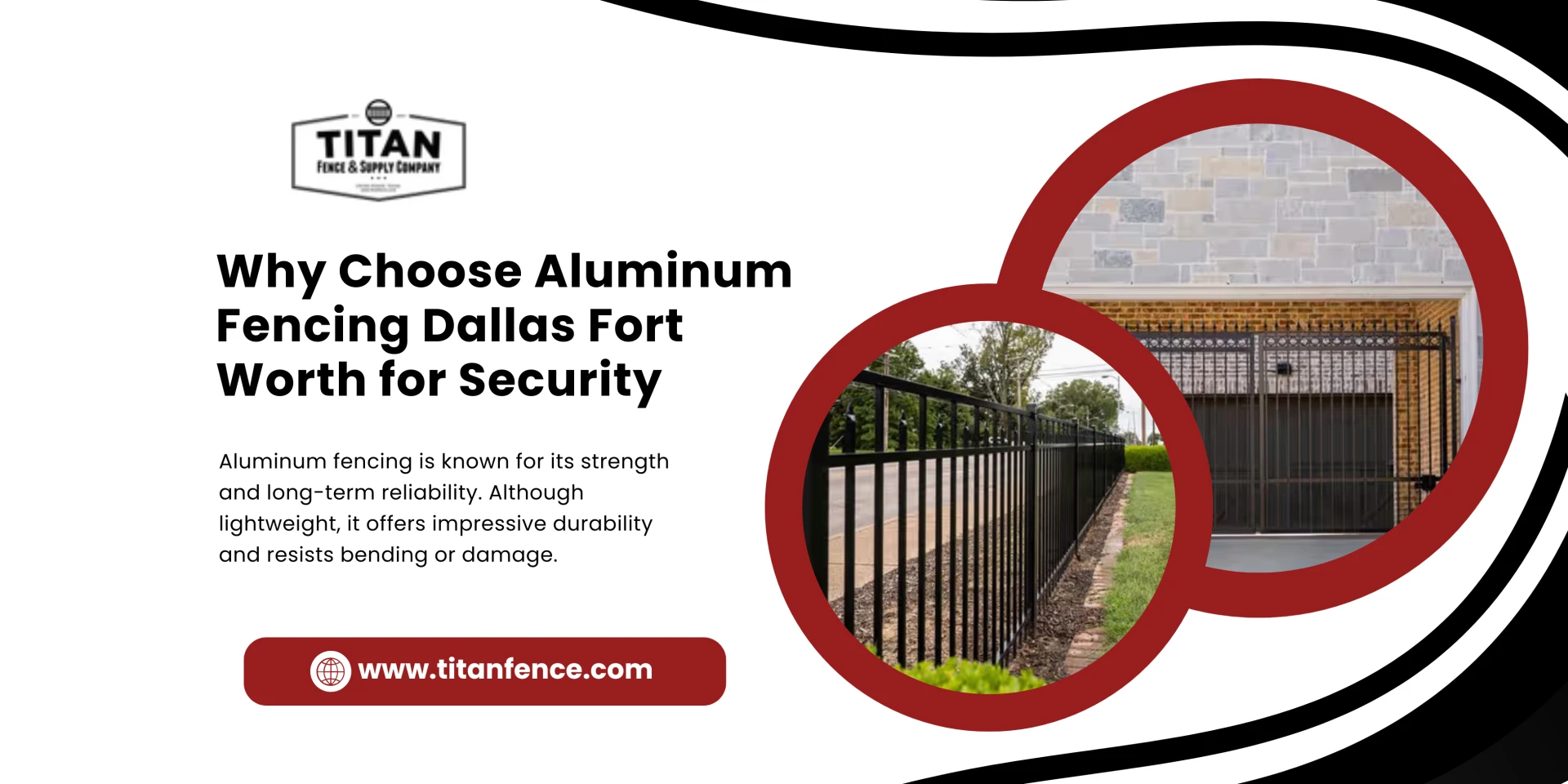
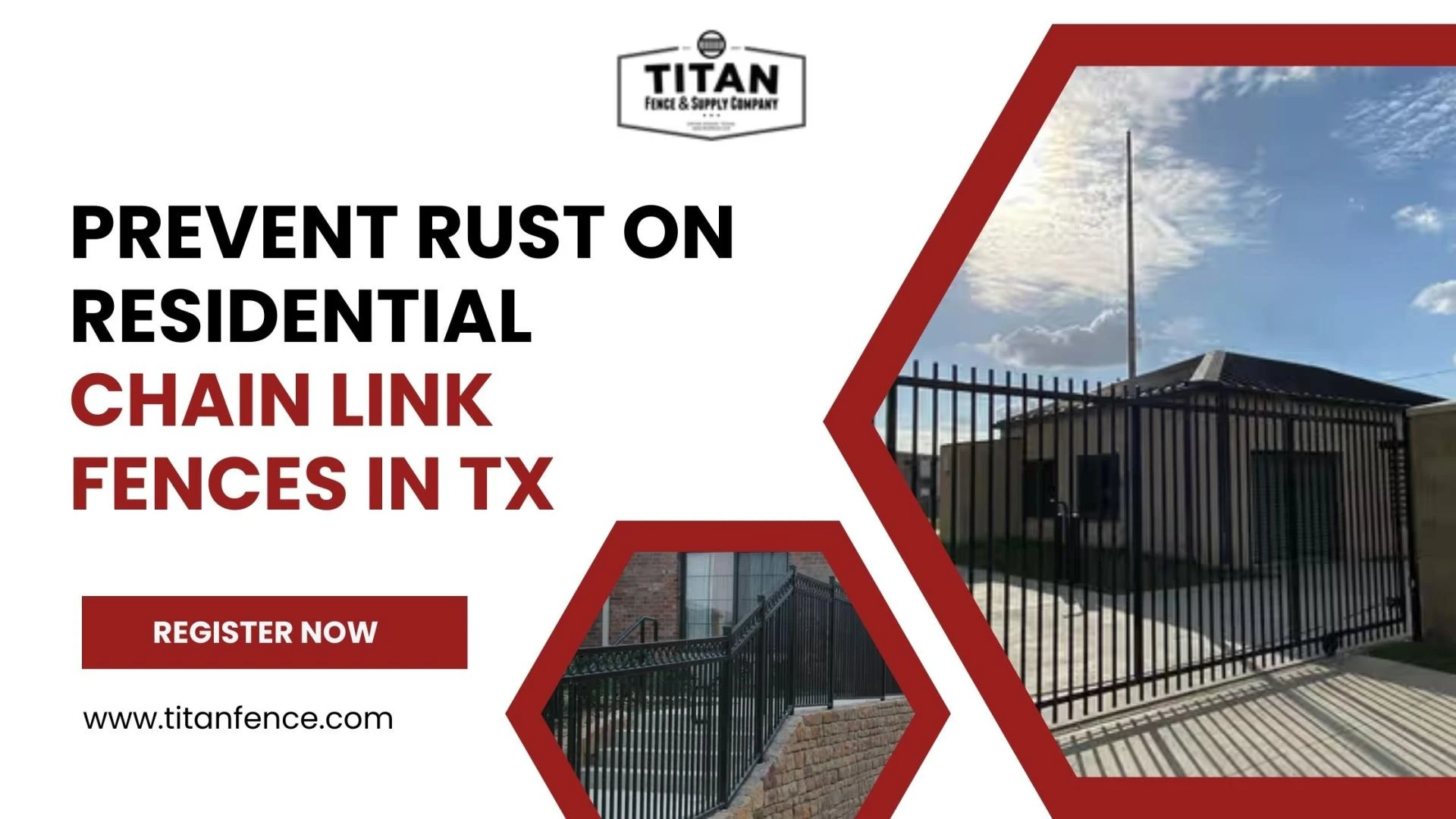
Aluminum Fencing Dallas-Fort Worth provides a secure, stylish boundary for pets through vertical pickets that prevent climbing and chewing. It works for dogs of all sizes by keeping them safely enclosed without blocking the view of the yard. Installation generally costs $25 to $45 per linear foot, and the fences last 30 to 40 years with little upkeep. Pet owners appreciate aluminum for combining durability, safety, and an open look.
Electric Dog Fencing
An electric dog fence uses a buried wire or wireless transmitter to set boundaries, paired with a collar that gives a mild correction when pets approach the limit. It preserves open views and is designed around canine training. Costs usually run $1,000 to $2,000 for an average yard, and the system lasts 10 to 15 years with proper care. Maintenance involves checking collars, replacing batteries, and inspecting wires.
Invisible Fence
An invisible fence works as a wireless or in-ground system that creates boundaries without physical structures. Pets wear collars that deliver mild corrections when they near the set perimeter, keeping them contained while preserving open landscapes. It is common in residential areas where aesthetics is important. The cost is usually $1,000 to $2,000 with a 10 to 15-year lifespan.
Split Rail Fence
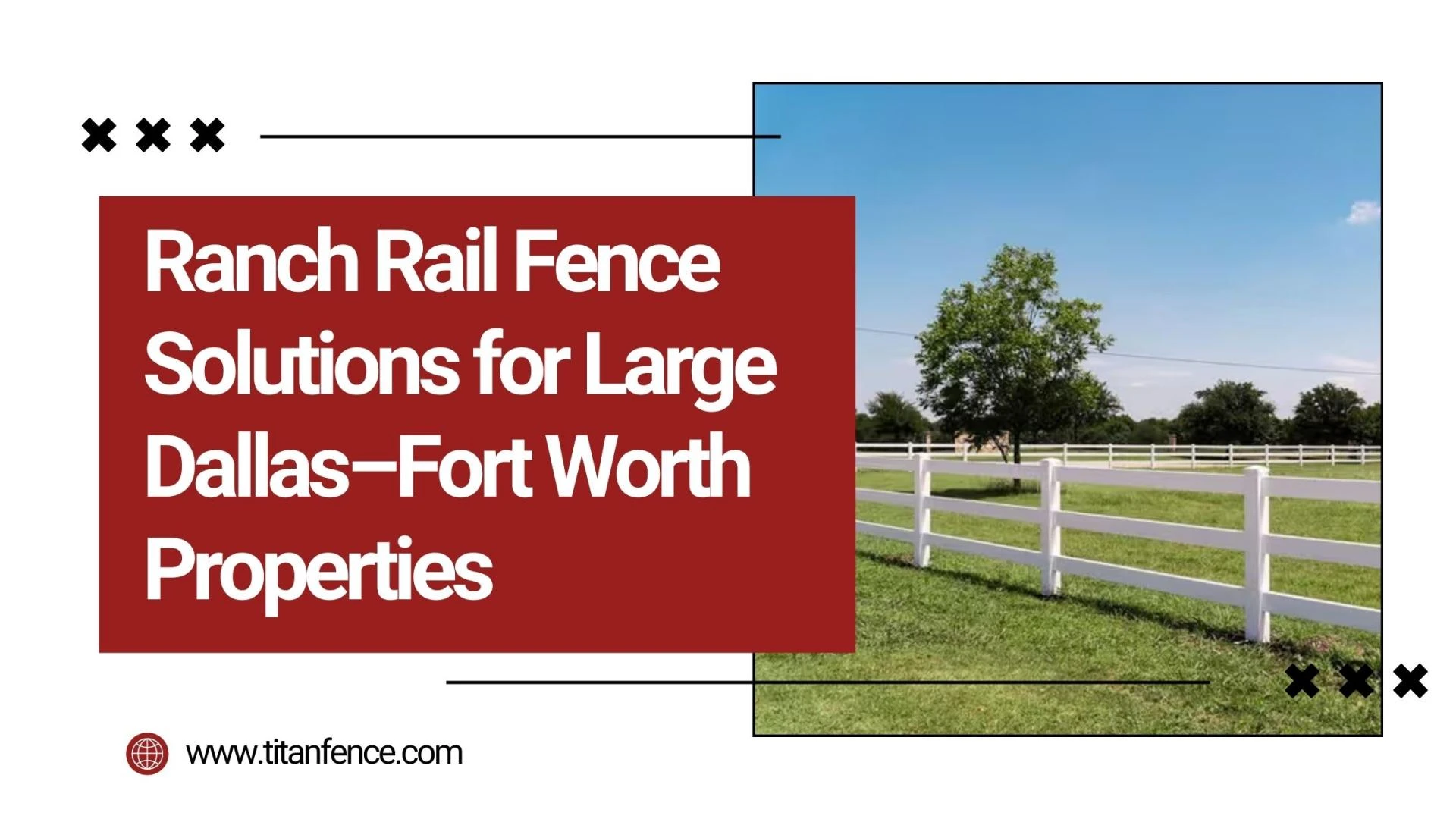
Split rail fencing uses horizontal wooden rails between posts and is often chosen for large yards and rural properties. It defines boundaries without blocking views, but may need an added mesh to stop smaller pets from escaping. Installation costs average $15 to $25 per linear foot, and the fence lasts 15 to 25 years with regular wood care. It is best for larger dogs or livestock in open spaces.
Wooden Dog Fence
A wooden dog fence is a solid barrier that provides privacy and blocks outside distractions that can trigger barking or stress. It suits dogs of all sizes and can be customized in height and style. Costs typically range from $15 to $30 per linear foot, with a lifespan of 10 to 20 years depending on maintenance. Wood requires regular sealing or painting to stay strong against chewing, scratching, and weather.
Classic Iron Fence
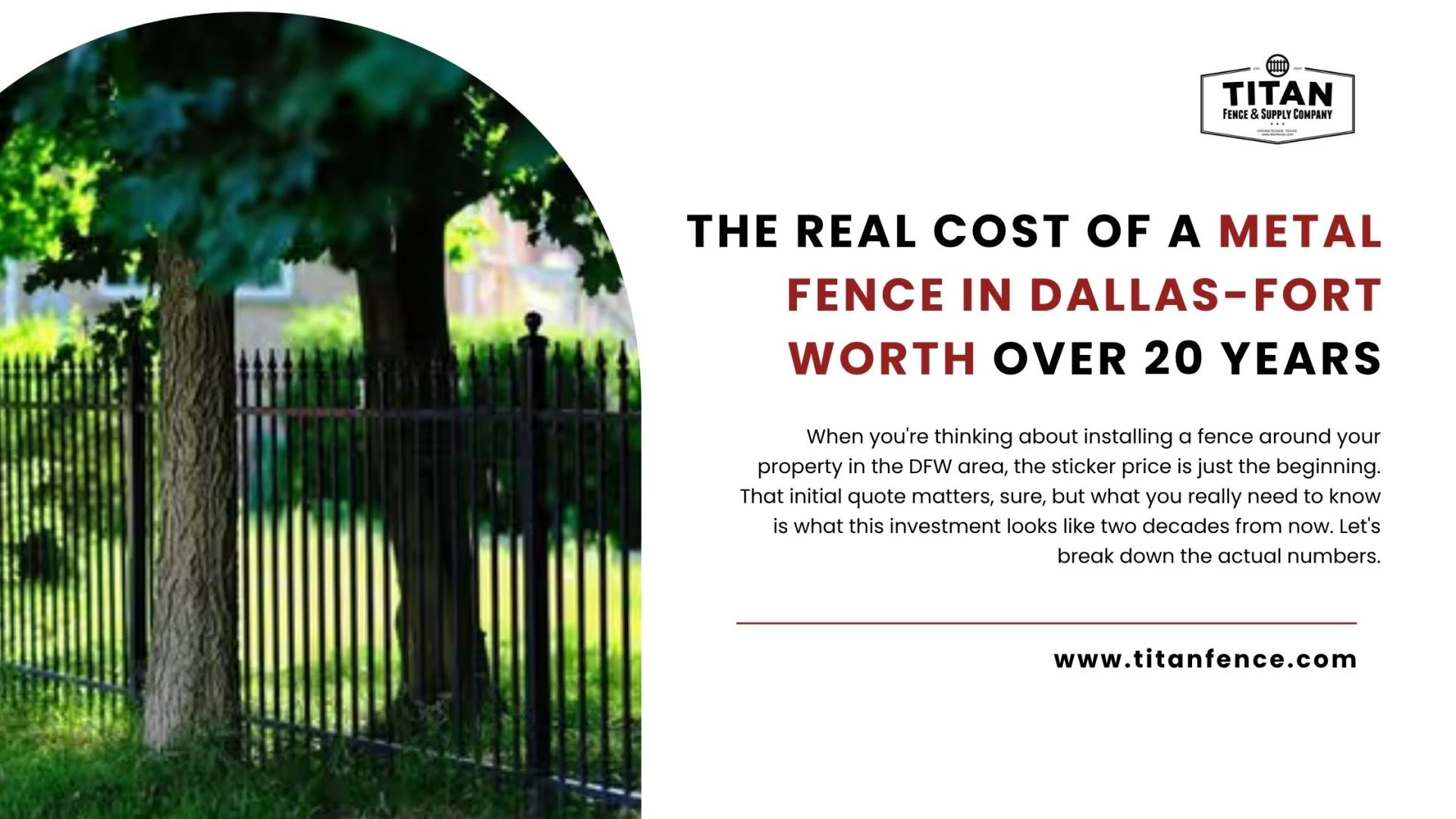
Classic iron fencing, made from wrought iron or steel, offers strength, elegance, and long-term durability. It is especially good for large dogs because the vertical bars stop climbing, and the heavy metal cannot be chewed. Costs are higher at $30 to $60 per linear foot, but the fence can last 40 to 60 years with rust treatment. Iron fencing is chosen for its beauty and resilience.
Lattice Fence
Lattice fencing uses crisscrossed wood or vinyl panels that provide partial containment and airflow. It works well for small to medium pets while adding decorative appeal to gardens and patios. Costs usually range from $12 to $25 per linear foot, and lifespan varies from 10 to 30 years depending on the material. Vinyl lattice requires little upkeep, while wood versions need sealing or painting.
Plastic Dog Fence
Plastic dog fences are lightweight mesh barriers that provide quick, budget-friendly containment for pets. They work best for small to medium dogs and are often used in temporary or flexible setups. Installation costs $5 to $15 per linear foot, and the fences last 5 to 10 years with light upkeep. They are less durable against chewing but effective for low-cost containment.
Traditional Wood Fence
Traditional wood fences use planks or panels to combine privacy with pet safety. They are effective for dogs of all sizes, especially excitable ones, since solid panels block sightlines. Installation averages $15 to $30 per linear foot, with a 10 to 20-year lifespan if maintained. Regular painting or sealing is necessary to prevent damage from pets and weather.
How to Choose the Right Pet Fence in Texas?
To choose the right pet fence in Texas, homeowners need to consider both their animals’ behavior and the state’s challenging climate. Dogs that chew, climb, or dig require fences made from durable materials like vinyl, aluminum, or chain link rather than untreated wood, which is prone to termite damage and rot in humid Texas conditions.
Cost and maintenance are also key factors. Chain link is one of the most affordable and long-lasting options, while vinyl costs more upfront but resists sun damage and requires little upkeep.
Local codes, HOA rules, and safety needs should guide the final decision. Gates must lock securely, fence bases should prevent digging, and materials should avoid sharp edges that could injure pets. In Texas, where storms, high winds, and heat are common, investing in strong posts, deep footings, and weather-resistant materials ensures the fence will keep pets safely contained for years.








Sign in to leave a comment.