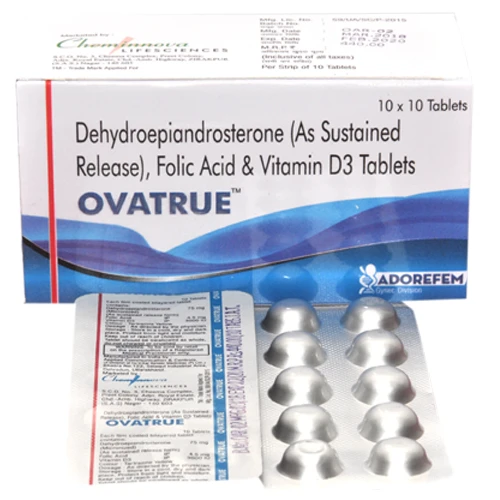

Dehydroepiandrosterone (DHEA) is a hormone produced naturally in the body, primarily by the adrenal glands. It acts as a precursor to additional hormones, such as testosterone and estrogen. In recent years, DHEA supplementation has gained attention for its potential health benefits. In this blog, we\'ll explore the scientific evidence behind the potential advantages of DHEA supplementation and its implications for overall health and well-being.
Understanding DHEA:
Before delving into the potential benefits of DHEA supplementation, it\'s essential to grasp the role of this hormone in the body. DHEA is involved in numerous physiological processes, including:
Hormone Production: DHEA serves as a precursor to testosterone and estrogen, playing a crucial role in maintaining hormonal balance.
Immune Function: DHEA has immunomodulatory effects, influencing the body\'s immune response.
Brain Health: DHEA receptors are found in the brain, and DHEA may play a role in cognitive function and mood regulation.
Bone Health: Some studies suggest that DHEA may contribute to bone density and overall bone health.
Potential Benefits of DHEA Supplementation:
Anti-Aging Effects:
One of the most widely discussed potential benefits of DHEA supplementation is its anti-aging properties. DHEA levels decline with age, and some researchers believe that supplementing with DHEA may help counteract age-related changes by restoring hormone levels to a more youthful state. However, the evidence regarding DHEA\'s anti-aging effects remains inconclusive, with conflicting results from clinical studies.
Improved Mood and Well-being:
DHEA has been studied for its potential effects on mood and psychological well-being. Some research suggests that DHEA supplementation may improve mood, reduce symptoms of depression, and enhance overall quality of life, particularly in individuals with low DHEA levels.
Enhanced Libido and Sexual Function:
DHEA has been investigated for its potential role in enhancing libido and sexual function, especially in older adults. Some studies have reported improvements in sexual satisfaction, desire, and erectile function with DHEA supplementation. These effects may be attributed to DHEA\'s role in hormone production and its influence on sexual health. However, further research is warranted to validate these findings and determine the optimal dosage and duration of DHEA supplementation for improving sexual function.
Bone Health and Osteoporosis Prevention:
DHEA has been proposed as a potential adjunct therapy for osteoporosis, a condition characterized by decreased bone density and increased risk of fractures. Some studies suggest that DHEA supplementation may improve bone density and reduce the risk of osteoporotic fractures, particularly in postmenopausal women. However, the evidence remains limited, and more research is needed to establish the efficacy and safety of DHEA supplementation for bone health.
Metabolic Health:
Emerging research suggests that DHEA may play a role in metabolic health and glucose regulation. Some studies have reported associations between low DHEA levels and metabolic disorders such as obesity, insulin resistance, and type 2 diabetes. DHEA supplementation has been investigated as a potential therapeutic intervention for improving metabolic parameters and reducing the risk of cardiometabolic diseases. However, further research is required to elucidate the underlying mechanisms and determine the clinical significance of these findings.
Conclusion:
While DHEA supplementation holds promise for various health benefits, including anti-aging effects, mood improvement, enhanced sexual function, and potential benefits for bone and metabolic health, the evidence remains preliminary and inconclusive. More rigorous clinical studies are needed to validate these findings, establish the optimal dosage and duration of DHEA supplementation, and elucidate its long-term safety profile. Individuals considering DHEA supplementation should consult with a healthcare professional to weigh the potential risks and benefits based on their individual health status and medical history. As research continues to advance, we may gain a better understanding of DHEA\'s role in health and disease, paving the way for more targeted and effective interventions to optimize well-being and longevity.











Sign in to leave a comment.