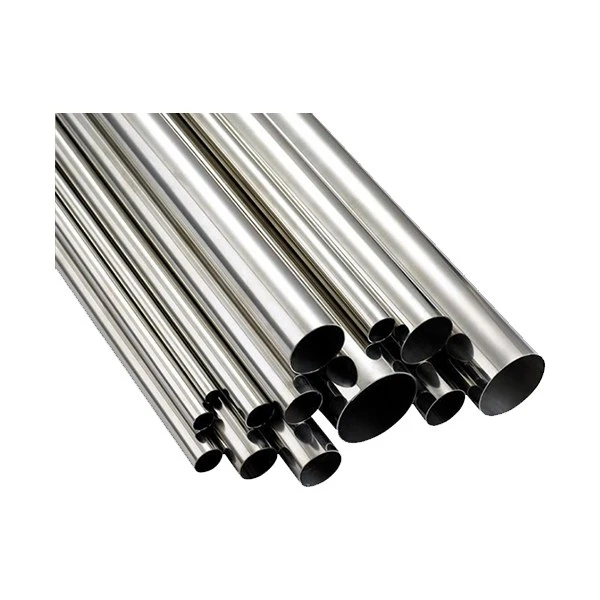

304 stainless steel is one of the most common stainless steel alloys. This type of steel is a good choice for a variety of applications, including food processing equipment. It can withstand the effects of acids and is fairly abrasion-resistant. It is also used in architectural applications, including railings, tanks, and refrigerators. Other common uses for this stainless steel include gas and liquid fuel tanks, and various structural components.
304 Stainless Steel Properties
The corrosion resistance of type 304 is good, especially for applications in high-temperature environments. It also exhibits good intergranular corrosion resistance. It is resistant to most organic and inorganic acids, and has strong corrosion resistance in water. Although 304 is a typical difficult-to-cut metal, it has excellent machinability. It can be welded without cracking or bending.
Stainless steel of AISI 304 grade offers good corrosion resistance and is ideal for many applications. It is characterized by a layer of chromium oxide on its surface that prevents oxygen from diffusing into the steel. However, SS304 is susceptible to chloride corrosion if exposed to warm chloride environments. Because of this, it is important to choose the right grade of stainless steel for the environment where it will be exposed.
Another important property of 304 stainless steel is its ability to be fabricated using cold working methods. However, these methods should only be carried out using dedicated stainless steel tools. Work surfaces should also be cleaned before use to avoid cross contamination. 304 stainless steel is also susceptible to work hardening, so it is recommended to use coolants to reduce internal stress.
Among 304 stainless steel's mechanical properties, the hardest part is its surface area. As a result, it is less brittle than 440 steel, which is a tougher general-purpose steel. A higher Rockwell hardness means the metal is harder, but this depends on its comparison with other metals. Copper, for example, has a Rockwell hardness of 51.
Type 304 stainless steel is an austenitic alloy of chromium and nickel with a maximum of 0.08% carbon. This type is often used in sinks. Other applications include pressure vessels, papermaking machinery, and medical machinery. In addition, it is also used in many industries where high corrosion resistance is essential.
Stainless steel of 304 has many advantages. In addition to its excellent corrosion resistance, this steel is able to withstand some oxidizing acids. However, this steel is prone to some minor rusting. This is primarily due to its high chromium content. Its low carbon content makes it a good choice for heating equipment.
304 stainless steel is good at resisting corrosion in many environments. However, it can be susceptible to pitting and crevice corrosion in environments with high levels of chloride. In addition, it can also be susceptible to stress corrosion cracking. At ambient temperatures, 304 steel is resistant to 200 mg/L of chloride, but its strength falls to 150 mg/L at 60 degF.
0










Sign in to leave a comment.