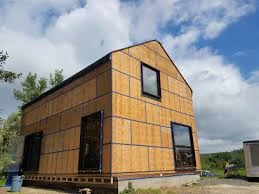

Trends in passive design are unquestionably significant for Australians. According to the poll, individuals have been attempting to define what a passive house is by outlining its benefits, potentials, and suitability for particular climates over the past few years. So let's find out what a passive house actually means.
The energy from solar radiation is used in passive houses. In addition, high performance building supplies like super insulation and cutting-edge window technology contribute to lower heating expenses. However, the majority of passive homes still use an additional ventilation system with limited volume heat recovery for room heating.
Pros of Passive House
We are aware of the advantages of passive home design lies in its environmentally friendly architecture, which is used not only for residential but also for commercial buildings. Let's take a look important benefits of passive houses:
Interior TemperatureRather than just turning sunlight into electricity, passive houses gather energy from solar heat. In a passive house, there is no temperature change from room to room due to the effective utilisation of solar energy. While some individuals decide to add space heaters in particular areas, passive house supplies generally maintain a nice and steady indoor temperature.
Cost - EfficientThe best part about a passive house supply is that you don't have to spend on heating unless you want space heaters. However, using solar energy is not the only approach to reduce the cost of a passive house. Additionally, they include excellent insulation, airtight construction, and unique windows. All of these elements combine to create a structure that is cosy and energy efficient.
VentilationYou might be concerned that an airtight house would make the space seem stuffy, but passive houses are constructed with a ventilation system that continuously distributes fresh air. As a result, each and every passive house features a very effective heat recovery system that enables hot air to be reused as it circulates throughout the house.
All important benefits are well explained in the aforementioned article. These are the main justifications for choosing eco-friendly passive homes. There are a few other important recommendations that may help you pick a passive house more clearly. Like: Use high performance building materials to cut waste and boost productivity.
0










Sign in to leave a comment.