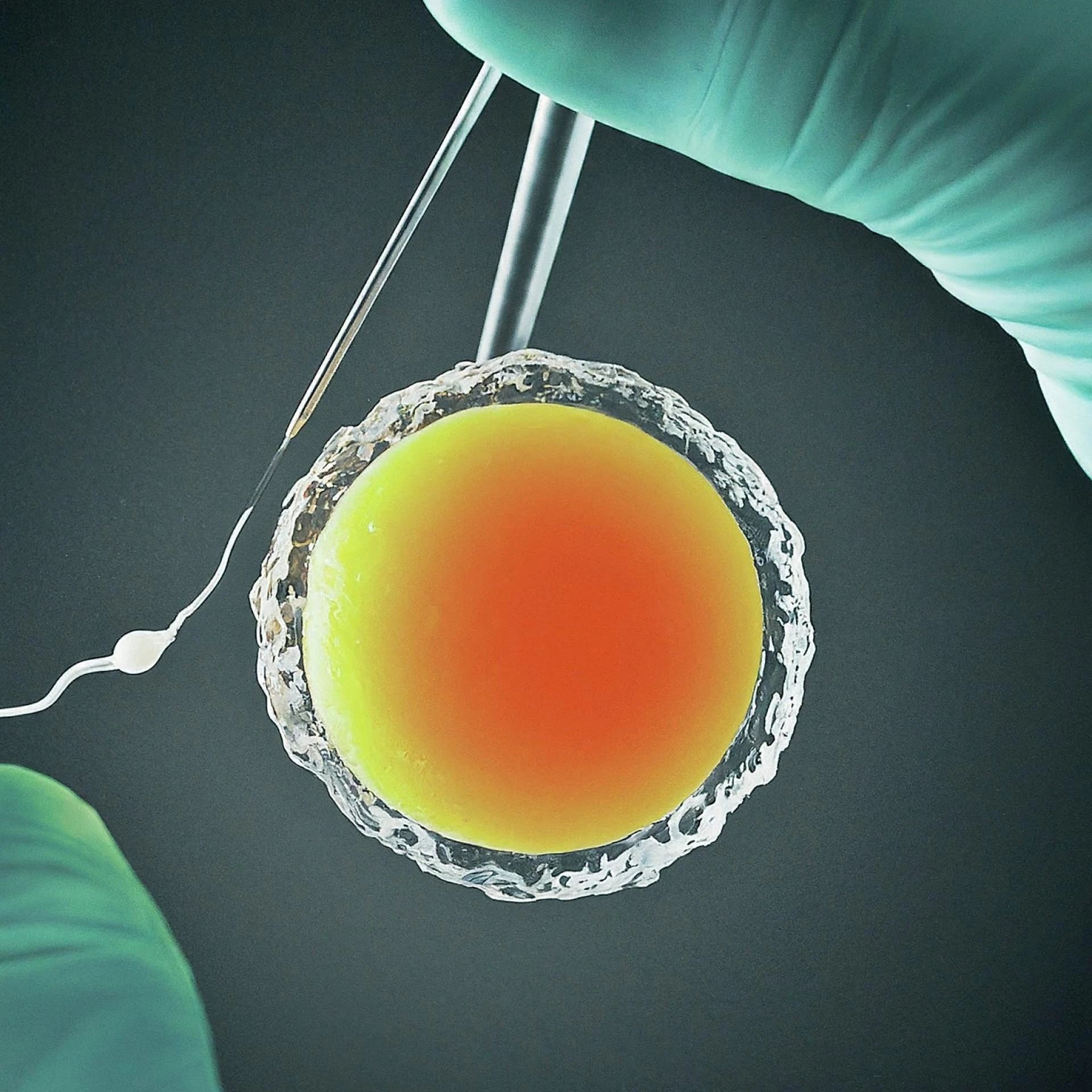

Intracytoplasmic Sperm Injection (ICSI) is a highly specialized form of in vitro fertilization (IVF) that involves injecting a single sperm directly into an egg. This technique has been revolutionary for treating severe male infertility, but like all medical procedures, it comes with its own set of risks. Understanding these risks is crucial for couples considering ICSI as part of their fertility treatment.
Understanding ICSI
ICSI is often used when there are significant issues with sperm count, motility, or morphology. It involves several steps:
Ovarian Stimulation: Women receive medications to stimulate their ovaries to produce multiple eggs.Egg Retrieval: Eggs are collected from the ovaries.Sperm Injection: A single sperm is injected into each egg using a fine needle.Embryo Culture: Fertilized eggs (embryos) are cultured for a few days.Embryo Transfer: One or more healthy embryos are transferred to the uterus.Common Risks Associated with ICSI
1. Ovarian Hyperstimulation Syndrome (OHSS)
OHSS is a condition where the ovaries become swollen and painful due to the fertility medications used to stimulate egg production. Symptoms range from mild (bloating, nausea) to severe (rapid weight gain, abdominal pain). Severe cases require medical intervention and can be dangerous.
2. Multiple Pregnancies
While ICSI itself does not increase the likelihood of multiple pregnancies, the transfer of multiple embryos to maximize success rates can lead to twins or triplets. Multiple pregnancies carry higher risks for both the mother and the babies, including premature birth and low birth weight.
3. Egg Retrieval Complications
The process of retrieving eggs involves using a needle to aspirate eggs from the ovaries. This procedure, though generally safe, can sometimes lead to complications such as bleeding, infection, or damage to surrounding organs.
Genetic and Developmental Risks
1. Genetic Abnormalities
Some studies suggest a slightly increased risk of genetic abnormalities in children conceived through ICSI. This may be due to the fact that ICSI bypasses some of the natural selection processes that occur during fertilization. Preimplantation genetic testing (PGT) can help identify potential genetic issues before embryo transfer.
2. Birth Defects
Research indicates a small but statistically significant increase in the risk of birth defects among ICSI-conceived children compared to naturally conceived children. However, the absolute risk remains low, and many children born through ICSI are healthy.
Long-term Health Concerns
Long-term studies on children born via ICSI are ongoing. Some concerns have been raised about potential impacts on their health and development, but current data suggest that the vast majority of ICSI children develop normally. Continued monitoring and research are essential to fully understand the long-term implications.
Psychological and Emotional Risks
1. Stress and Anxiety
The ICSI process can be emotionally taxing for couples. The intensive nature of the treatment, along with the uncertainty of the outcome, can lead to significant stress and anxiety. Psychological support and counseling are recommended to help couples cope with these challenges.
2. Financial Strain
ICSI is often expensive, and multiple cycles may be needed to achieve a successful pregnancy. The financial burden can add to the emotional stress experienced by couples undergoing treatment.
Reducing Risks
1. Choosing the Right Clinic
Selecting a reputable fertility clinic with experienced infertility specialists is crucial. High-quality clinics have better success rates and lower complication rates.
2. Regular Monitoring
Close monitoring by infertility specialists during the treatment process helps identify and manage potential complications early. This includes frequent ultrasounds and blood tests.
3. Preimplantation Genetic Testing (PGT)
PGT can be used to screen embryos for genetic abnormalities before transfer, reducing the risk of genetic disorders.
Conclusion
While ICSI has opened new avenues for couples struggling with severe male infertility, it is important to be aware of the associated risks. These include medical complications like OHSS and egg retrieval issues, genetic and developmental risks, and psychological and financial strains.
By working closely with a qualified infertility specialist and choosing a reputable fertility clinic, couples can minimize these risks and increase their chances of a successful and healthy pregnancy.











Sign in to leave a comment.