
Conducting a Needs Assessment
Before implementing a custom vending solution, it is crucial to assess the organization’s specific needs. This includes identifying the target audience, the types of products that will be offered, and the locations where the machines will be placed. Businesses must evaluate their employees’ or customers’ preferences and consider factors such as foot traffic, peak usage times, and accessibility. The assessment should also include budget considerations and an analysis of potential return on investment. Understanding these details helps in creating a vending solution that meets operational goals while enhancing user satisfaction.
Collaborating with Vending Service Providers
Partnering with experienced vending service providers ensures that businesses receive expert guidance in creating a customized vending solution. These providers offer insights into industry best practices, product selection, and machine functionality. Working closely with a provider allows businesses to tailor vending machines to their needs, ensuring the right combination of hardware, software, and product offerings. By choosing a reliable partner, companies can streamline the process and access ongoing support, which is essential for long-term success.
Designing Machine Specifications
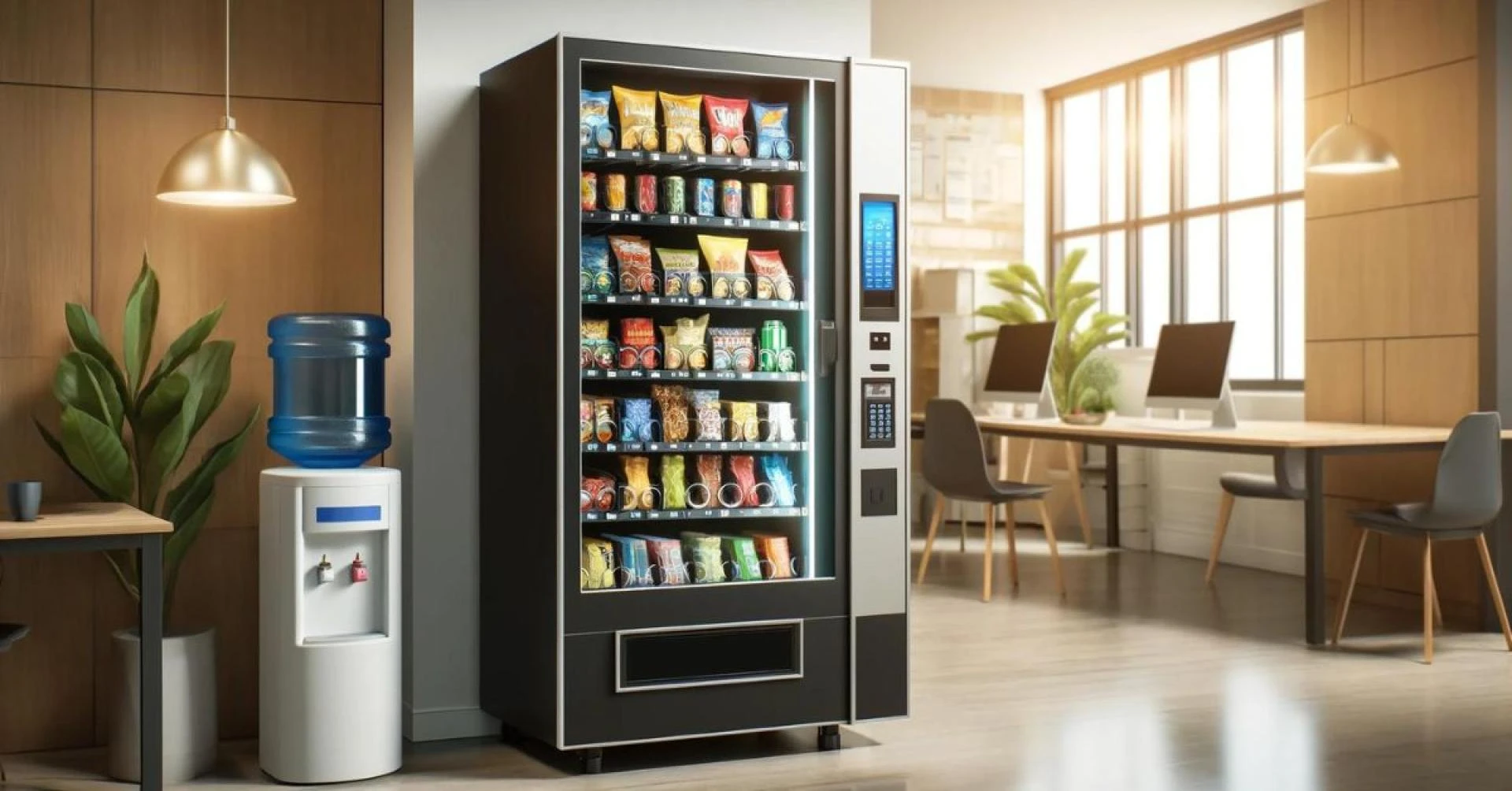
Once the needs assessment is complete, designing the vending machine specifications is the next step. Businesses must consider the size, capacity, and features of the vending machines. The design should align with the organization’s branding, incorporating logos, color schemes, and promotional materials. Advanced features such as touchscreens, interactive displays, and digital signage can enhance user experience. Additionally, businesses must decide whether they require refrigerated units for perishable goods or specialized compartments for fragile or high-value items. Proper planning in this phase ensures that the machines meet both functional and aesthetic requirements.
Selecting Appropriate Technology and Payment Systems
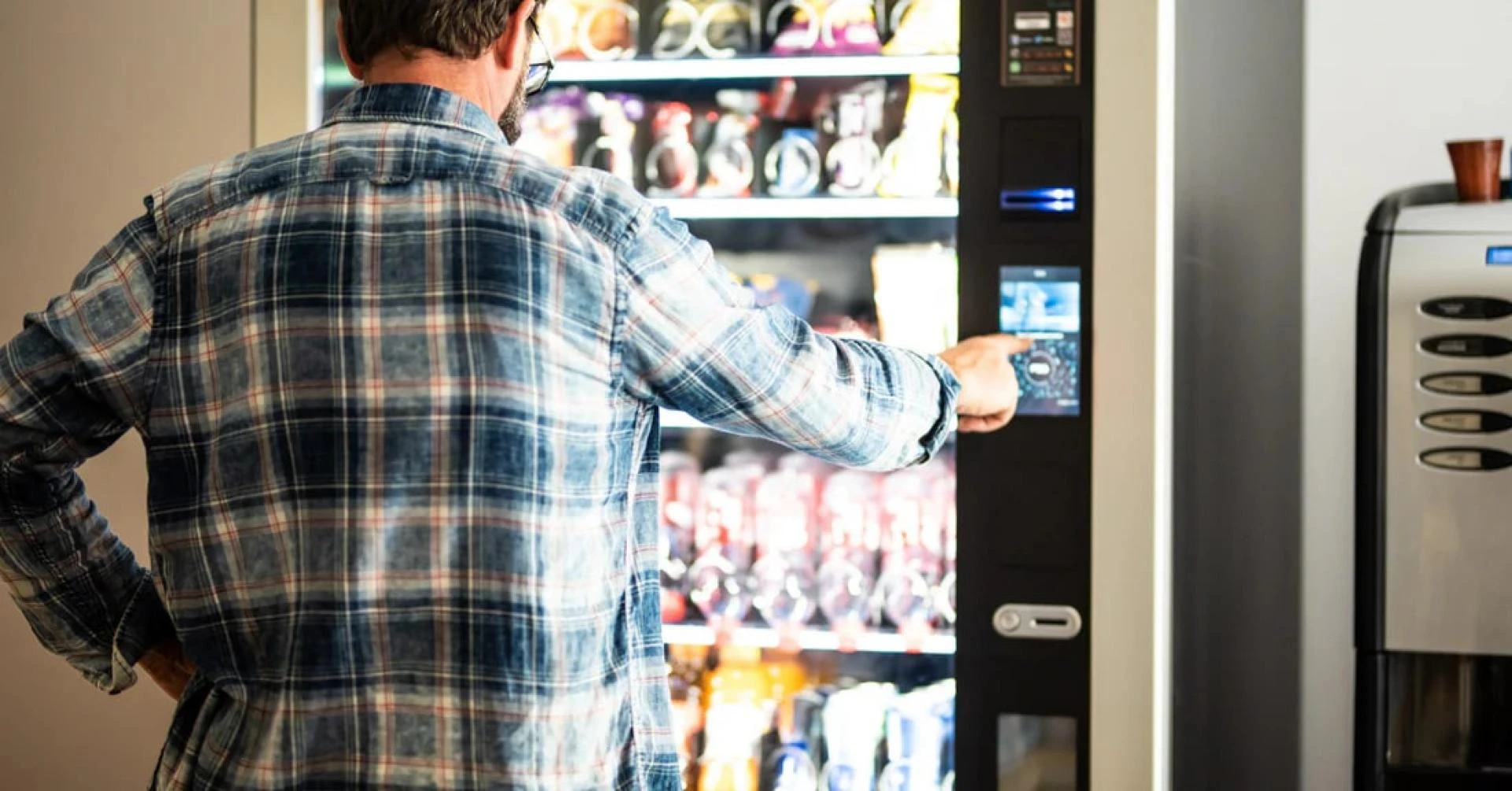
Integrating modern technology into vending machines improves convenience and security. Organizations should choose payment systems that accommodate diverse preferences, including credit and debit cards, mobile payments, and contactless transactions. Advanced vending machines can also feature inventory tracking, remote monitoring, and data analytics to optimize restocking and sales strategies. Businesses can enhance user engagement by incorporating loyalty programs, discounts, and personalized recommendations. By selecting the right technology, organizations can create a seamless vending experience that aligns with customer expectations.
Planning Logistics for Installation and Maintenance
The deployment of vending machines involves logistical planning to ensure smooth installation and ongoing maintenance. Businesses must determine the best locations for machine placement, considering factors such as visibility, accessibility, and electrical requirements. Collaborating with facility managers helps streamline the installation process while ensuring compliance with safety regulations. Maintenance schedules should be established to keep machines operational and stocked with fresh products. Efficient restocking, regular cleaning, and prompt troubleshooting help maintain service reliability. A well-planned logistics strategy prevents downtime and maximizes vending machine efficiency.
Training Staff and Monitoring Performance
After installation, training staff on vending machine operations and customer service protocols is essential. Employees should be familiar with machine functionality, troubleshooting common issues, and responding to customer inquiries. Organizations should also implement monitoring systems to track vending machine performance. Analyzing sales data, customer feedback, and operational efficiency helps businesses make informed decisions about product selection, pricing, and future expansions. Regular performance assessments ensure that vending machines continue to meet user demands and business objectives.
Conclusion
Developing a custom vending solution requires careful planning and collaboration with industry experts. From conducting a needs assessment to selecting the right technology, businesses must ensure that every step aligns with their operational goals. Custom Vending Solutions provide flexibility, convenience, and efficiency, making them an excellent investment for organizations. By focusing on machine design, technology integration, and ongoing maintenance, businesses can create a vending experience that caters to customer preferences while driving revenue growth.





















Sign in to leave a comment.