

Gum disease is one of the most common oral health problems affecting adults, yet many people do not realize how quickly it can progress when left untreated. What may begin as mild gum irritation or occasional bleeding can eventually develop into serious periodontal disease that threatens the health of the teeth, gums, and jawbone. Because early symptoms are often painless, patients frequently ignore warning signs until significant damage has already occurred.
The good news is that gum disease is often preventable and manageable with early care. Visiting a local Tigard dentist regularly can help detect gum problems before they become severe. Understanding the factors that cause gum disease to progress quickly can help patients better care for their oral health and avoid long-term complications.
Poor Oral Hygiene Habits
One of the biggest reasons gum disease progresses rapidly is poor oral hygiene. Plaque constantly forms on the teeth throughout the day. If it is not removed through brushing and flossing, bacteria begin irritating the gum tissue.
Over time, plaque hardens into tartar, which cannot be removed with normal brushing alone. Tartar buildup allows harmful bacteria to thrive beneath the gumline, increasing inflammation and infection risk.
Patients who skip regular oral hygiene routines may notice:
- Bleeding gums
- Persistent bad breath
- Gum tenderness
- Swollen gums
- Receding gum tissue
Routine cleanings and proper home care are essential for slowing the progression of gum disease.
Smoking and Tobacco Use
Smoking is one of the most damaging habits for gum health. Tobacco reduces blood flow to the gums, making it harder for the body to fight infection and heal damaged tissue.
Smokers are more likely to develop severe gum disease because tobacco weakens the immune response and allows bacteria to spread more aggressively. Smoking may also mask early symptoms like bleeding gums, causing patients to overlook warning signs until the disease becomes advanced.
Patients receiving periodontal treatment in Tigard are often encouraged to stop smoking to improve treatment success and long-term gum health.
Delaying Dental Visits
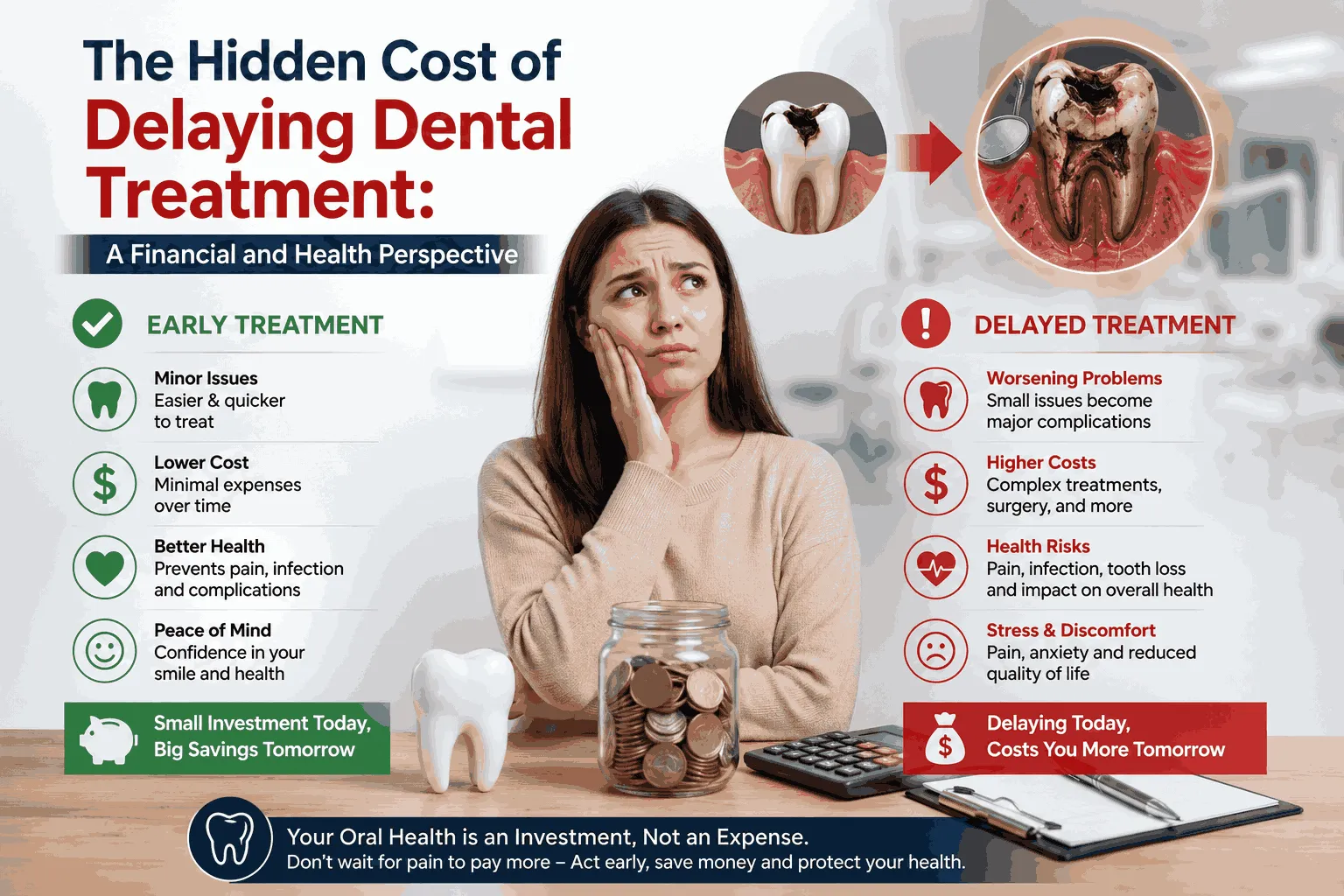
Many people wait until they feel pain before visiting the dentist, but gum disease often worsens silently. Regular dental checkups allow professionals to identify inflammation, gum pockets, and tartar buildup before the condition becomes severe.
Without professional cleanings and evaluations, bacteria continue to spread beneath the gums and damage the supporting bone structures. Delaying treatment may eventually lead to loose teeth or tooth loss.
Seeing a skilled Tigard dentist regularly gives patients the right chance of catching gum disease early when treatment is simpler and more effective.
Uncontrolled Diabetes
Diabetes and gum disease are closely connected. High blood sugar levels can weaken the body’s ability to fight infection and slow healing throughout the mouth.
Patients with poorly controlled diabetes may experience:
- Increased gum inflammation
- Faster plaque buildup
- Delayed healing
- Greater bone loss risk
At the same time, severe gum disease may make blood sugar levels harder to manage. This cycle can cause oral health problems to progress more rapidly if both conditions are not properly controlled.
Chronic Stress
Stress affects more than mental health. Chronic stress can weaken the immune system and reduce the body’s ability to fight bacterial infections, including gum disease.
People under stress may also neglect oral hygiene habits, skip dental visits, grind their teeth, or develop unhealthy eating habits that contribute to inflammation. Managing stress and maintaining consistent oral care routines can help support healthier gums over time.
Teeth Grinding and Clenching
Excessive pressure from teeth grinding or jaw clenching can worsen existing gum problems. Constant force placed on the teeth and gums may contribute to tissue damage and bone loss.
Patients who grind their teeth often experience:
- Gum recession
- Tooth sensitivity
- Jaw soreness
- Worn tooth surfaces
A dental nightguard may help reduce pressure and protect oral tissues from additional damage.
Poor Nutrition
Diet also plays a role in gum health. Nutrient deficiencies can weaken the immune system and make it harder for the body to repair inflamed gum tissue. Diets high in sugar and processed foods may encourage bacterial growth and worsen inflammation. Meanwhile, vitamins such as Vitamin C are important for supporting healthy gums and tissue healing. Healthy eating habits can complement professional periodontal treatment in Tigard and improve overall oral health outcomes.
Ignoring Early Warning Signs
One of the biggest reasons gum disease progresses quickly is that many patients ignore mild symptoms. Bleeding during brushing or flossing is often dismissed as normal, even though it is usually a sign of gum inflammation.
Early symptoms may include:
- Red gums
- Swelling
- Bleeding
- Bad breath
- Gum tenderness
Seeking treatment early can help prevent more serious complications later.
Conclusion
Gum disease can worsen surprisingly fast when contributing factors such as poor oral hygiene, smoking, stress, or delayed treatment are ignored. Left untreated, the condition may eventually lead to gum recession, bone loss, and tooth loss.
Regular dental visits and early intervention are key to protecting long-term oral health. If you notice signs of gum disease, visiting a trusted Tigard dentist for evaluation and possible periodontal treatment can help stop the disease from progressing and preserve your smile for years to come.



























Sign in to leave a comment.