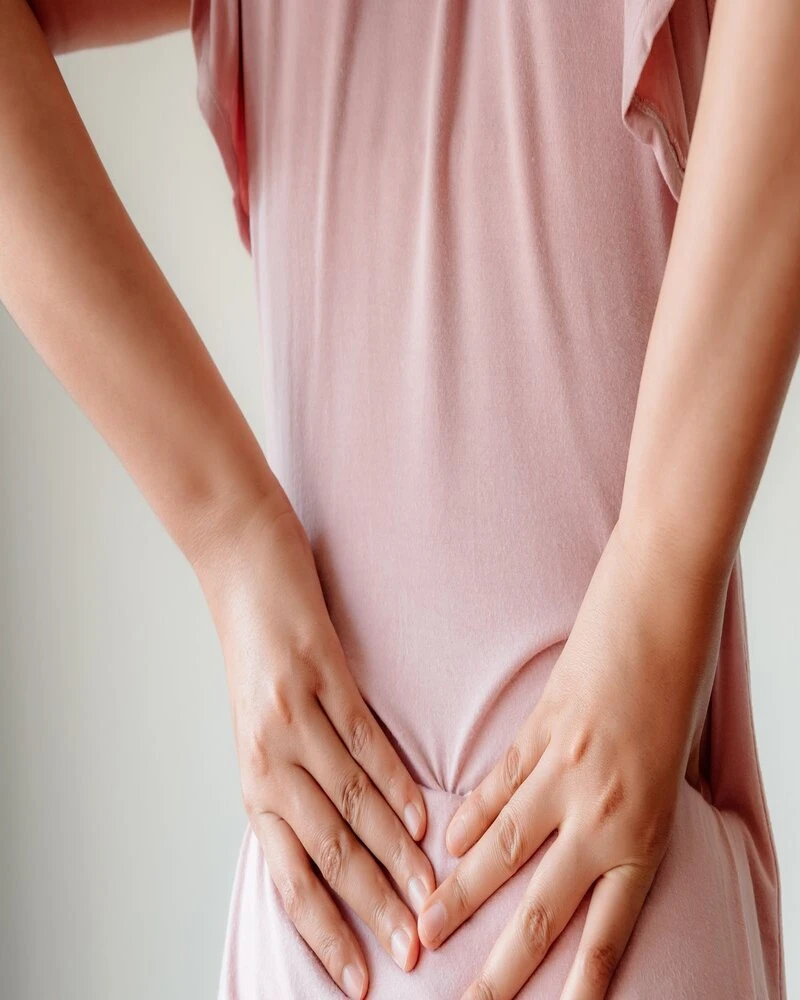

Several disorders, many of which can affect persons of any sex, can lead to lower back discomfort. In certain situations, your menstrual cycle or other variables, such as pregnancy or endometriosis, may also be connected to lower back discomfort.
According to research, over 80% of people will suffer lower back pain at some point. Across all age categories, women are more likely than men to experience low back pain. Women's back discomfort worsens markedly as they age. In this article, we will talk about what causes lower back pain in females. It's crucial to consult a doctor if you have back pain to identify the source and receive the proper care. You can also consult a doctor at the MIOT hospital for the same.
What causes lower back pain in females?
Some of the most common causes of lower back pain in females are,
Hormone problems with menopause
According to research, one of the women's most typical musculoskeletal problems throughout menopause is chronic low back pain (LBP). Over 50% of perimenopausal women suffer musculoskeletal discomfort, and over 70% of perimenopausal women will have symptoms linked to estrogen insufficiency. Most research shows a connection between worsening menopausal symptoms and symptoms of persistent back pain.
Uterine dysfunction or menstruation
Back discomfort is more common in women who have dysmenorrhea, a uterine abnormality that causes frequent and painful cramping for women during menstruation. Low back pain is a frequent symptom of the illness's primary and secondary forms.
When a woman starts having her period, she first experiences primary dysmenorrhea, which lasts the rest of her life. Menstrual cramping that is persistent and extremely painful might be caused by its forceful and unusual uterine contractions.
In most cases, secondary dysmenorrhea develops later in life and is brought on by another ailment, such as endometriosis or pelvic inflammatory disease.
Endometriosis
Females with endometriosis may also have back discomfort due to this chronic ailment. The syndrome develops when endometrial-like tissue spreads to the pelvic cavity or outside the uterus. The dislodged tissue reacts to hormonal changes in the body, resulting in swelling, discomfort, spotting between periods, and bleeding.
Because endometriosis grows and bleeds like the uterine lining every month, the extra fluid causes irritation and inflammation in the surrounding tissue because there is nowhere for the blood to go. As a result, the illness may lead to heavy periods, ongoing discomfort, and the accumulation of scar tissue.
Symptoms of endometriosis can appear at any point throughout the menstrual cycle. Most women have pelvic pain that travels down their legs, but others also experience gnawing and throbbing pain ranging in intensity from very low to severe. A doctor may discover endometrial growths during a pelvic exam and then order imaging studies to help identify endometrial cysts to diagnose endometriosis first.
Pregnancy
Pregnancy is a typical factor in lower back discomfort in women. As your weight increases and your hormones relax your ligaments in anticipation of giving birth, your center of gravity moves, and this occurs.
Most pregnant women have back discomfort between the fifth and seventh months, though it can begin much earlier. If you already suffer from lower back problems, your probability of experiencing back discomfort during pregnancy increases.
The spine and back muscles are compressed as the infant develops. Pain may result from this, particularly in the lower back. Additionally, the ligaments supporting the spine may become loose due to hormonal changes during pregnancy, which can cause back discomfort.
Premenstrual syndrome(PMS)
Another hormonal disorder many women experience before their periods, PMS, may result in back discomfort in females. Lower back discomfort, headaches, stomachaches, mood changes, etc., as symptoms. Heat and over-the-counter pain relievers are effective home cures for the pain, which often goes away once menstruation starts.
Posture
Poor posture is another typical contributor to lower back pain in women. Back pain and discomfort can result from the needless strain that poor posture places on the spine and back muscles. Women are more prone to bad posture because of things like wearing high heels or carrying large bags.
What are the most common back conditions affecting women?
Some of the most common back conditions affecting women are,
Piriformis syndrome
In certain cases, back discomfort is piriformis syndrome. The piriformis, a tiny muscle that runs from the lower spine to the top of the femur, can contract involuntarily, irritating or compressing the sciatic nerve. This condition is known as piriformis syndrome. The piriformis muscle assists in turning the foot and leg outward. Despite not having a spinal origin, it exhibits symptoms comparable to sciatica.
Typically, piriformis syndrome symptoms include buttock/gluteal discomfort that radiates, hurts, or burns down the back of the leg, thigh, or calf. Other frequent symptoms include numbness in the buttocks and tingling around the sciatic nerve. Because of this, sciatica is frequently confused for it.
Sacroiliac joint dysfunction
Here's another instance of a backache that doesn't originate in the back. Sacroiliac joints, which link the pelvis and lower spine, can become inflamed, which is what is known as sacroiliac joint dysfunction. The illness may manifest as leg discomfort in the lower back or buttocks. The discomfort could worsen if you stand or climb stairs for a long time.
Sacroiliac joint dysfunction, like piriformis syndrome, can be difficult to identify since it can be confused for other reasons of lower back pain.
Spondylolisthesis
When one vertebral body—the thick oval bone segment in front of the vertebra—slips against a neighboring vertebral body, it causes spondylolisthesis, which can cause mechanical symptoms or discomfort. The hip, back, and legs may also experience discomfort through the spine. The disorder may be acquired, present from birth, or the result of an unidentified cause. According to certain studies, hysterectomies and delivery may increase a woman's chance of developing spondylolisthesis.
Spondylolisthesis can occur in the cervical spine, although it most frequently affects the lower lumbar spine or lower back. Except in circumstances of trauma, it seldom happens in the thoracic spine. The longest segment of the thoracic spine is between the cervical and lumbar areas.
Compression fractures in postmenopausal women
Vertebral compression fractures (VCFs) of the middle to lower spine are thought to affect roughly 25% of American women throughout their lives. Age-related increases in the condition's prevalence approach 40% by 80.
These minute fractures in the vertebrae can seriously impair function and cause significant disability. The most prevalent cause of VCFs is osteoporosis. Hormonal changes that lower bone mineral density and raise the risk of osteoporosis in postmenopausal women make bones more prone to fracture.
Most of the time, discomfort disappears without needing medication or other treatments. You should only be concerned about warning indications such as discomfort for more than six weeks, back pain accompanied by neurologic symptoms down the legs, or bowel or bladder trouble. Consult a medical professional if any of these symptoms or illnesses appear.
Now that you know what causes lower back pain in females remember to consult a doctor if you have back pain to identify the source and receive the proper care. Back pain can have many potential causes, and only a medical specialist can correctly identify and treat your situation.











Sign in to leave a comment.