

Horses are powerful athletes. Whether they are used for racing, show jumping, or regular riding, their legs take a lot of stress during training. One common issue many horse owners notice is swelling near the lower leg called horse splint bone swelling. This condition can make a horse uncomfortable and sometimes affect its performance.
Understanding why this happens and how to support joint health is important for every horse owner. Many trainers also use an equine joint supplement to help keep joints strong and reduce stress on the legs during intense activity.
In this article, we will explain what splint bones are, what causes swelling during training, and how products like Optiwize 10-N-1 Horse Supplement may help support joint health.
What Are Splint Bones in Horses?
A horse’s lower leg contains a large main bone called the cannon bone. On each side of this bone are two smaller bones called splint bones. These bones help support the lower leg and provide stability.
When the ligament that connects the splint bone to the cannon bone becomes inflamed, the area may swell and form what is commonly called a “splint.” This swelling is usually visible on the inside of the horse’s leg.
While some splints are minor and heal over time, others can cause pain or lameness if not managed properly.
Common Causes of Horse Splint Bone Swelling
Splint bone swelling often happens when the horse’s legs experience repeated stress or injury during training. Here are some of the most common causes.
1. Hard Training Surfaces
Training on very hard ground can place extra pressure on a horse’s legs. Surfaces such as packed dirt or rocky ground increase the impact on the splint bones.
When this stress continues over time, it can irritate the ligament between the splint bone and cannon bone, leading to swelling.
Providing softer training surfaces and proper rest can help reduce this risk.
2. Intense or Sudden Training
Young horses or horses returning from rest may develop splints when training intensity increases too quickly.
If a horse goes from light exercise to heavy training without proper conditioning, the bones and ligaments may struggle to adapt. This sudden stress can cause inflammation in the splint bone area.
Gradually increasing exercise levels helps protect the horse’s joints and bones.
3. Poor Hoof Balance or Shoeing
Incorrect hoof trimming or poor shoeing can affect the way a horse moves. When a horse’s hooves are not balanced correctly, the weight distribution across the leg changes.
This uneven pressure can place extra strain on the splint bones and ligaments. Over time, this stress can lead to swelling and discomfort.
Regular farrier care is essential to keep the horse’s legs properly aligned.
4. Direct Trauma
Sometimes horse splint bone swelling happens due to a direct injury. Horses may accidentally hit one leg against the other while running or training.
This type of impact can damage the ligament around the splint bone and cause inflammation.
Protective leg boots are often used during training to reduce this risk.
5. Young Horses in Early Training
Splints are especially common in young horses that are just starting training. Their bones and ligaments are still developing, which makes them more sensitive to stress.
As the horse matures, the bones become stronger and the risk of splints often decreases.
Proper nutrition and controlled training are important during this stage.
Signs of Splint Bone Swelling
Horse owners should regularly check their horse’s legs for early signs of problems. Some common signs of splint bone swelling include:
- A small lump on the inside of the lower leg
- Heat or tenderness in the area
- Mild swelling near the splint bone
- Slight lameness in some cases
If these symptoms appear, reducing training and consulting a veterinarian can help prevent the condition from worsening.
How Joint Health Affects Horse Training
Healthy joints are essential for a horse’s performance and long-term soundness. During training, joints absorb shock and allow smooth movement.
When joints become inflamed or weak, the surrounding bones and ligaments may experience more stress. This is why many trainers include an equine joint supplement in their horse’s diet.
These supplements often contain ingredients that support cartilage health, reduce inflammation, and improve joint flexibility.
Benefits of Using an Equine Joint Supplement
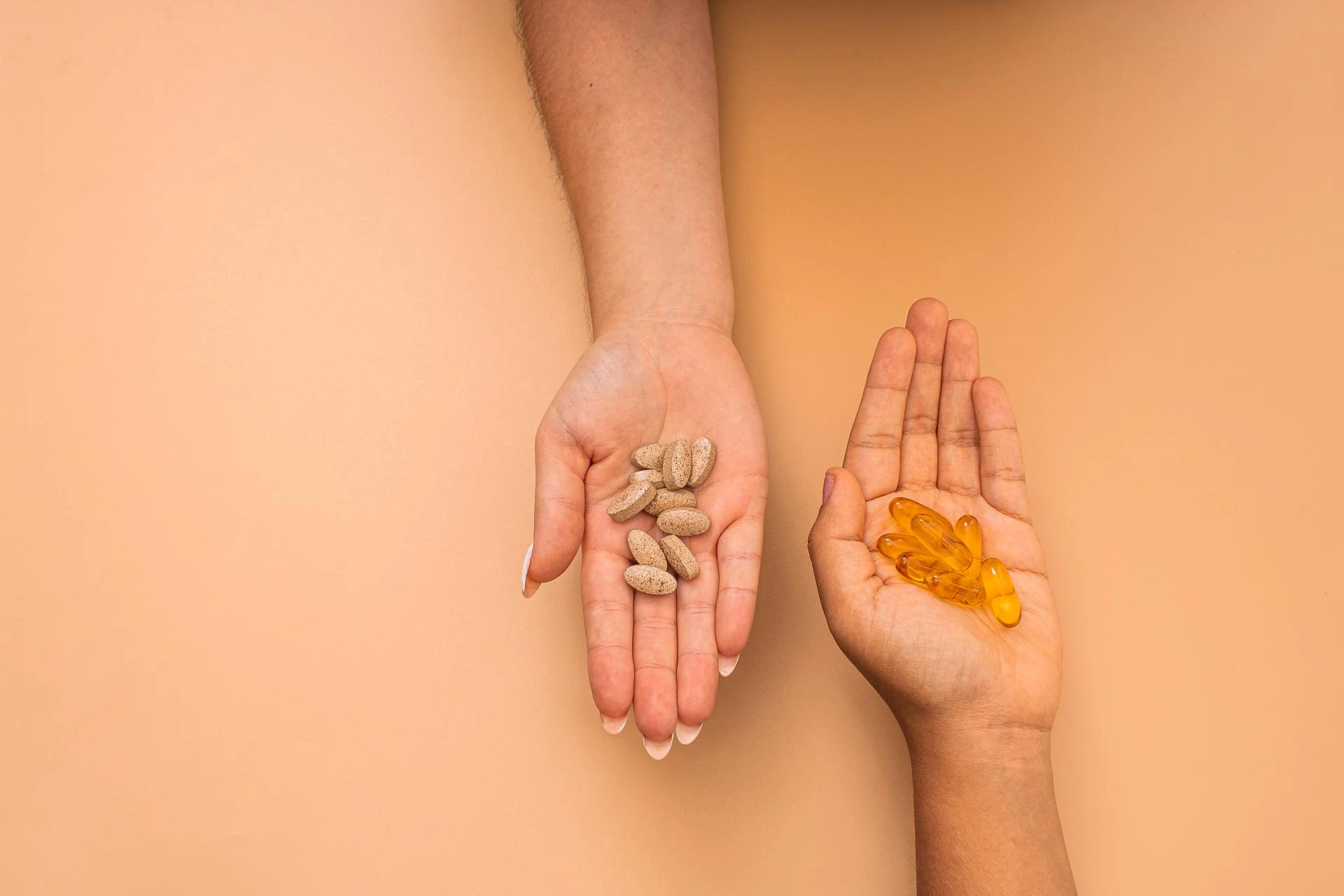
An equine joint supplement may help support horses during training by:
Supporting cartilage health: Nutrients help maintain strong joint structures.
Reducing inflammation: Certain ingredients help control inflammation caused by intense exercise.
Improving mobility: Healthy joints allow smoother movement and better performance.
Protecting against training stress: Supplements may help reduce wear and tear on joints.
Common ingredients in joint supplements include glucosamine, MSM, hyaluronic acid, omega fatty acids, and natural antioxidants.
The Role of Optiwize 10-N-1 Horse Supplement
Some modern horse supplements combine multiple health benefits into a single formula. One example is Optiwize 10-N-1 Horse Supplement.
This type of supplement is designed to support different aspects of horse health, including:
- Joint and bone strength
- Muscle recovery
- Digestive health
- Immune system support
- Nutrient absorption
When used as part of a balanced feeding program, Optiwize 10-N-1 Horse Supplement may help horses stay active and comfortable during training.
For horses that work regularly, maintaining joint support can play an important role in preventing stress-related conditions.
Preventing Splint Bone Problems in Horses
While splints can occur in many horses, there are several ways to reduce the risk.
Gradual training programs: Increase exercise slowly so bones and ligaments can adapt.
Proper hoof care: Regular trimming and shoeing help maintain correct leg alignment.
Safe training surfaces: Avoid very hard or uneven ground whenever possible.
Protective leg gear: Boots can help prevent injuries during fast work.
Balanced nutrition: Providing proper nutrients and an equine joint supplement can help support bone and joint health.
Final Thoughts
Horse splint bone swelling is a common condition that often appears during training, especially in young or highly active horses. It usually occurs due to stress, injury, poor hoof balance, or training on hard surfaces.
While many splints heal with rest and proper care, preventing joint stress is the best long-term strategy. Supporting joint health through proper training, good nutrition, and an equine joint supplement can help horses stay comfortable and perform at their best.
Products like Optiwize 10-N-1 Horse Supplement are designed to support overall horse health, including joint function. When combined with good management practices, they may help keep horses strong, active, and ready for training.

























Sign in to leave a comment.