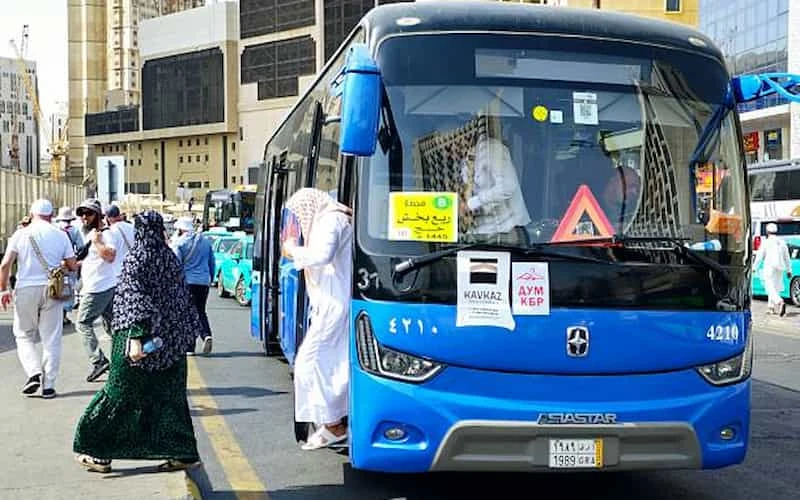

Performing Umrah is a deeply spiritual journey, and for many pilgrims in the Gulf region, traveling by bus offers a balanced combination of affordability, companionship, and reflection. A well-organized bus Umrah journey is not merely about reaching the Haramain—it is about traveling with dignity, safety, and peace of mind. This guide explains, in practical terms, the comfort standards, rest stops, and on-road support pilgrims can realistically expect during a bus-based Umrah experience.
Introduction: Understanding the Bus Umrah Experience
A bus Umrah trip is often chosen by pilgrims who value steady travel, group support, and cost efficiency. Unlike air travel, the road journey allows gradual transition into the spiritual state of Umrah, with regular breaks for rest and prayer. When planned by an experienced operator, this mode of travel can be comfortable, organized, and spiritually uplifting—especially for families, elderly pilgrims, and those performing Umrah for the first time.
Travel planners such as Mohamed Al Tenaiji Travels focus on structuring these journeys to balance physical comfort with religious mindfulness, ensuring pilgrims remain focused on worship rather than logistics.
Comfort Standards on a Bus Umrah Journey
Quality of Buses Used
Reputable Umrah operators use modern, air-conditioned coaches designed for long-distance travel. These buses are typically equipped with:
- Reclining, cushioned seats for better posture
- Adequate legroom to reduce fatigue
- Overhead storage for small personal items
- Clean interiors with proper ventilation
While bus travel is naturally longer than flights, comfort-focused seating and climate control significantly reduce strain during extended hours on the road.
Seating Arrangements and Group Travel
Pilgrims usually travel in organized groups, which provides emotional reassurance and logistical ease. Seating is pre-assigned, allowing families to sit together. Group leaders or coordinators are present to assist with communication, schedule updates, and basic guidance throughout the journey.
Scheduled Stops and Break Management
Border and Immigration Stops
One of the most important aspects of a bus Umrah journey is the land border crossing between United Arab Emirates and Saudi Arabia. Pilgrims should expect:
- A scheduled stop for immigration checks
- Assistance from group coordinators with document handling
- Waiting times that can vary depending on traffic and season
Pilgrims are advised to keep passports, permits, and personal items easily accessible during this stage.
Rest Stops for Meals and Prayer
During the road journey, buses stop at designated rest areas that include:
- Clean washroom facilities
- Prayer areas or nearby mosques
- Food courts or pre-arranged meal stops
These breaks are planned around prayer times, allowing pilgrims to maintain their religious obligations without rush or discomfort.
Overnight Stops (If Applicable)
For longer routes, especially during peak seasons, some itineraries include overnight rest stops. These are typically at modest hotels or roadside accommodations, allowing pilgrims to sleep, refresh, and resume the journey with renewed energy.
Spiritual and Practical Support During the Journey
Guidance and Religious Reminders
Many bus Umrah trips include a knowledgeable guide who offers:
- Reminders about intention (niyyah)
- Basic guidance on Ihram and Miqat preparation
- Short reminders or duas during the journey
This structured guidance helps pilgrims mentally and spiritually prepare before reaching Makkah.
Food, Hydration, and Essentials
Pilgrims are usually advised to carry:
- Light snacks and refillable water bottles
- Necessary medications
- Comfortable clothing and a small travel pillow
Some operators provide basic refreshments, but personal preparation ensures comfort throughout the trip.
A Practical Look at Road-Based Umrah Travel
For many pilgrims, choosing umrah by road from UAE is about more than cost—it is about traveling together, maintaining flexibility, and easing into the sacred experience gradually. Road journeys allow pilgrims to pace themselves, especially those who may find airports overwhelming or rushed.
A well-planned itinerary, combined with experienced coordination, ensures that travel fatigue is minimized and spiritual focus is preserved.
Choosing the Right Travel Partner Matters
The quality of comfort and stops during a bus Umrah trip depends heavily on the travel organizer. Pilgrims should look for agencies that clearly explain schedules, rest stops, and support services. For example, selecting a trusted Umrah travel agency with transparent planning and experienced on-ground teams can make a significant difference in the overall journey experience.
Conclusion: Is a Bus Umrah Trip Right for You?
A bus Umrah journey can be a peaceful, structured, and spiritually grounding experience when planned correctly. With comfortable coaches, planned rest stops, prayer-friendly schedules, and reliable group support, pilgrims can focus on worship rather than travel stress.
For those who value companionship, affordability, and gradual spiritual preparation, bus travel remains a meaningful option. With thoughtful planning and guidance from experienced providers like Mohamed Al Tenaiji Travels, the journey itself becomes part of the ibadah—patient, reflective, and rewarding.
Sign in to leave a comment.