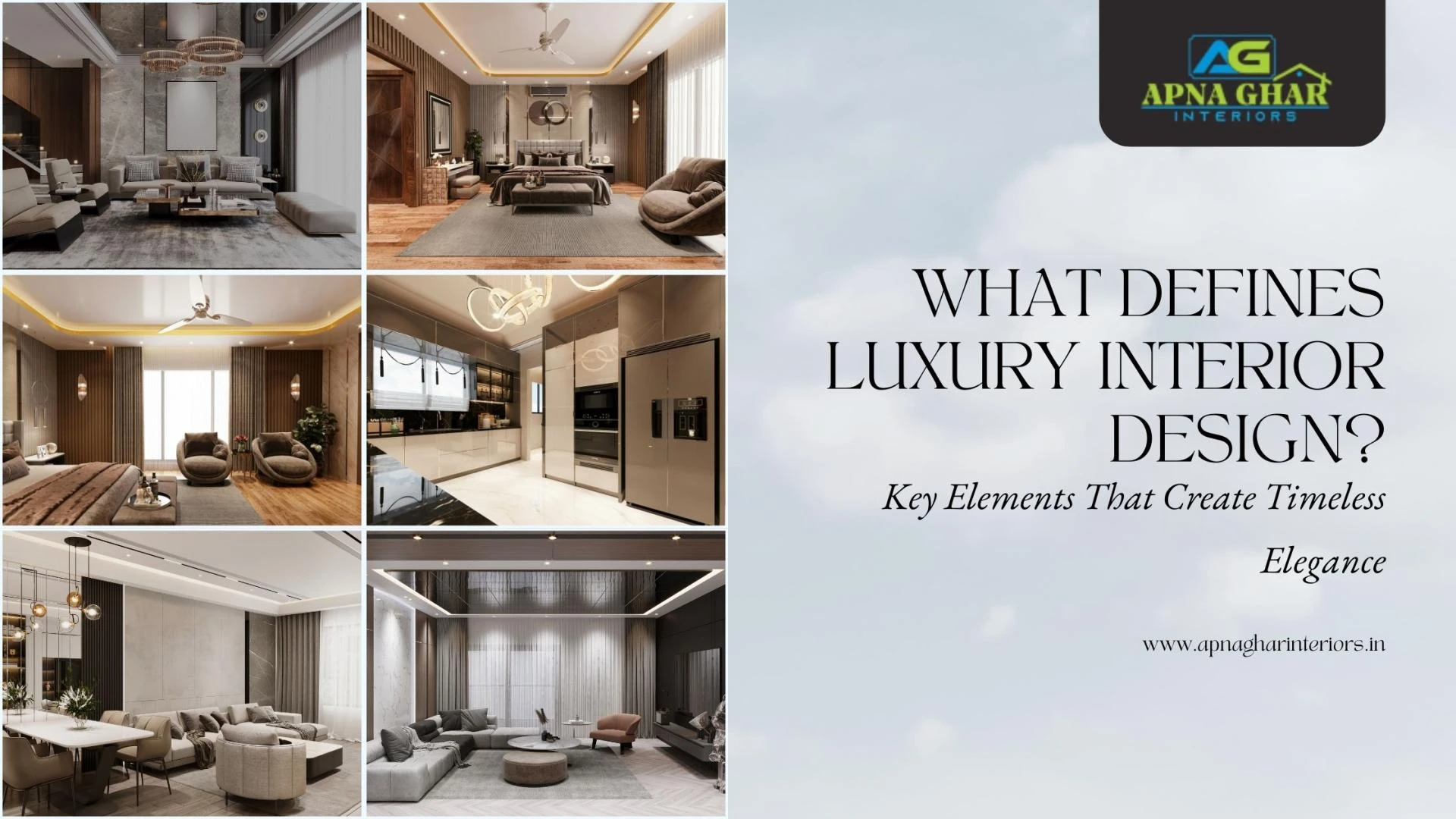

Luxury interior design goes far beyond expensive furniture or decorative finishes. It reflects thoughtful planning, refined taste, and a deep understanding of how people live in a space. From layout decisions to material choices, every detail contributes to an environment that feels polished, comfortable, and durable. Homeowners often turn to luxury interior designers to achieve this level of sophistication, as it requires both creative vision and practical knowledge.
This approach to design focuses on quality over quantity, longevity over trends, and comfort alongside visual appeal. Below are the defining elements that shape luxury interiors and give them lasting character.

Thoughtful Space Planning and Flow
One of the most important foundations of luxury interior design is space planning. Rooms are designed to feel open, purposeful, and easy to move through. Furniture placement is never random; it supports conversation, relaxation, or productivity depending on the room’s function.
Luxury spaces avoid clutter and overcrowding. Instead, they rely on balance, proportion, and negative space to create calm interiors. Hallways, living areas, and private rooms connect smoothly, allowing the home to feel cohesive rather than fragmented.
High-Quality Materials That Stand the Test of Time
Luxury interiors rely heavily on premium materials chosen for durability as much as appearance. Natural stone, solid wood, rich fabrics, and handcrafted finishes bring depth and texture to a space. These materials age gracefully and maintain their appeal for years.
Rather than following short-lived design trends, luxury interiors focus on surfaces and finishes that feel relevant across decades. This long-term approach is one reason homeowners often consult luxury interior designers, who understand what materials hold both visual and functional value.
Custom Furniture and Bespoke Details
Custom-made furniture plays a major role in luxury interior design. Instead of mass-produced pieces, luxury homes feature items created specifically for the space. This includes sofas sized to fit the room perfectly, wardrobes designed for storage needs, and cabinetry that aligns with architectural details.
Bespoke elements add exclusivity to the interior. From custom lighting fixtures to handcrafted doors and built-in shelves, these details make the home feel personal and distinctive without appearing excessive.
A Refined and Consistent Color Palette
Luxury interiors typically use a carefully chosen color palette that remains consistent throughout the home. Neutral tones, warm earthy shades, and muted colors form the base, creating a calm and elegant atmosphere.
Accent colors appear through art, upholstery, or decor pieces rather than dominating the space. This controlled use of color allows the design to feel composed and visually pleasing, even as styles evolve over time.
Lighting as a Design Feature
Lighting in luxury interiors serves both practical and aesthetic roles. Layered lighting plans include ambient, task, and decorative lighting to suit different moods and activities. Natural light is also treated as a design asset, with windows positioned and styled to allow maximum daylight.
Statement chandeliers, sculptural lamps, and recessed lighting highlight architectural features and textures. Well-planned lighting brings depth to the rooms and adds warmth during the evening hours.
Attention to Detail and Craftsmanship
Luxury interior design stands out through careful attention to detail. Clean joinery, smooth finishes, aligned patterns, and flawless execution are all signs of high craftsmanship. Even less visible areas, such as storage spaces or utility rooms, receive the thoughtful design treatment.
This level of care is often guided by luxury interior designers, who coordinate with skilled craftsmen to achieve refined results throughout the home.
Comfort Without Compromise
While luxury interiors look visually striking, comfort remains a priority. Seating is supportive, layouts feel intuitive, and materials feel pleasant to the touch. Bedrooms promote rest, living spaces invite relaxation, and kitchens support everyday use without sacrificing style.
Luxury design proves that elegance and comfort can exist together when planning focuses on real lifestyles rather than showroom appearances.
Personal Expression Within a Polished Framework
Luxury interiors reflect the homeowner’s personality through art, collectibles, books, and curated decor. These personal elements are placed within a structured design framework, allowing individuality to shine without overwhelming the space.
This balance between personal taste and professional structure gives luxury interiors their lasting charm.
Conclusion
Luxury interior design is defined by thoughtful planning, quality materials, custom details, and refined execution. It values longevity, comfort, and visual harmony over fleeting trends. Homes designed with this philosophy continue to feel relevant and inviting year after year.
By focusing on space, craftsmanship, lighting, and personal expression, luxury interior designers create interiors that reflect elegance in its most enduring form.
For More Information:
Call: +91 7892692704, +91 9845195091
Mail: [email protected]
Website: https://www.apnagharinteriors.in
Sign in to leave a comment.