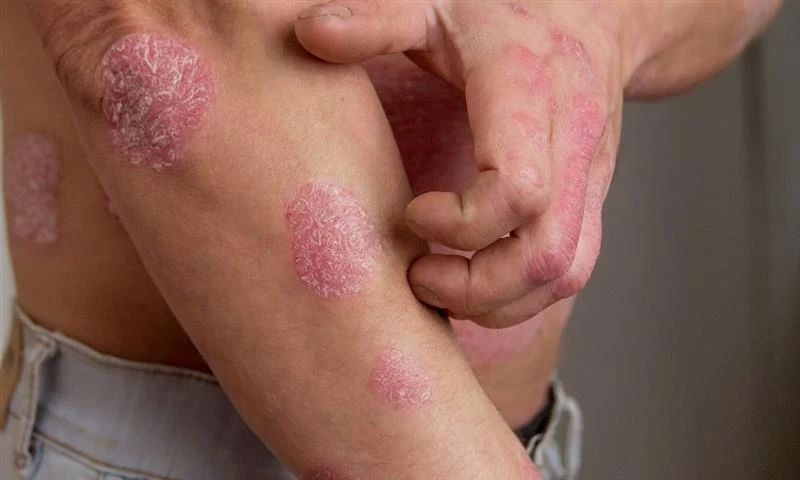
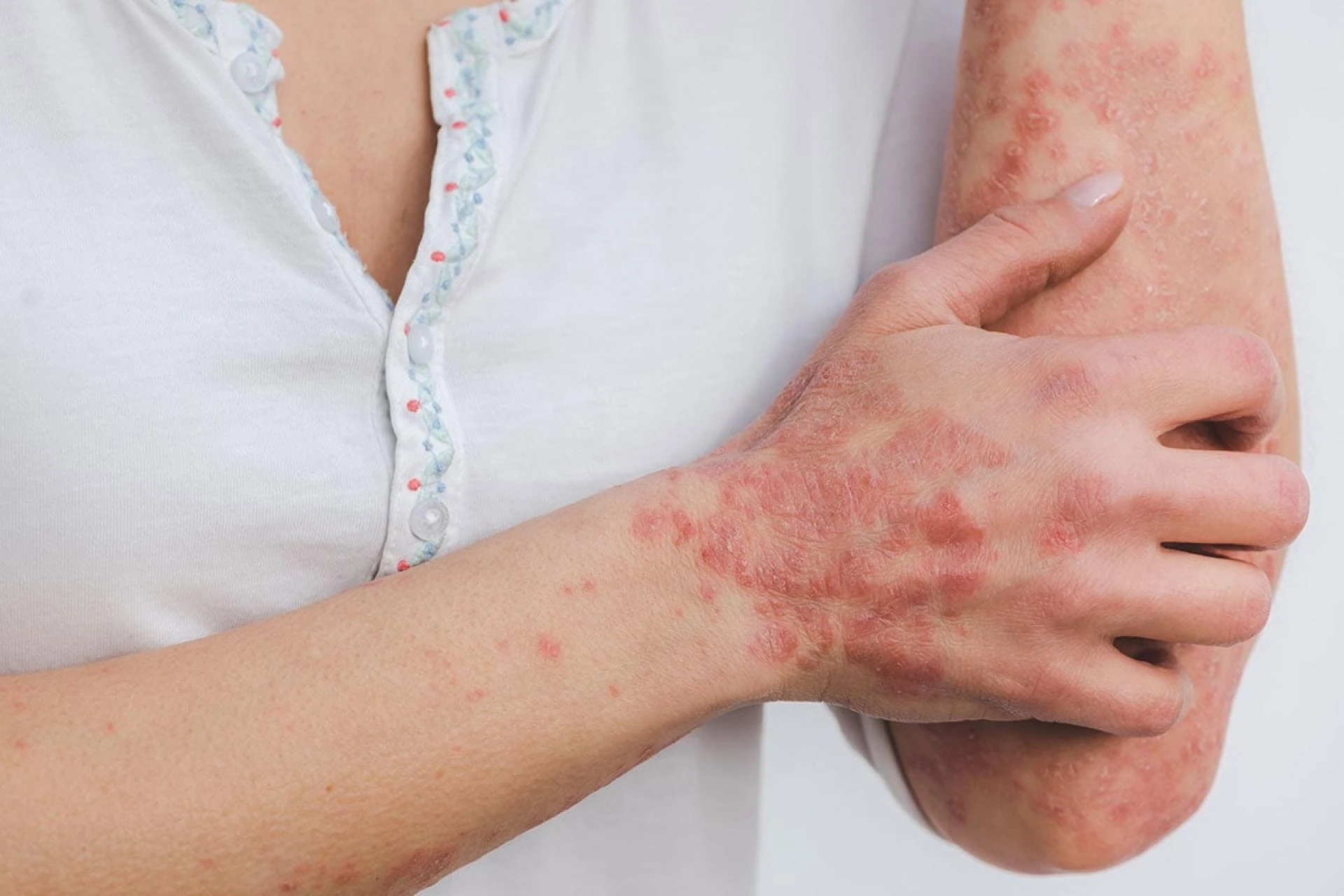
Psoriasis is a long-term skin condition that affects millions of people worldwide. It causes red, scaly patches on the skin and often comes with itching, discomfort, and emotional stress. While medical treatment is essential, doctors also strongly recommend making certain dietary changes to help manage symptoms and reduce flare-ups.
Many patients visiting a Psoriasis Treatment Doctor in Pune are surprised to learn how much food choices can influence their skin health. Diet alone may not cure psoriasis, but the right eating habits can support treatment, reduce inflammation, and improve overall well-being. In this article, we’ll explore the dietary changes commonly recommended by doctors for people living with psoriasis.

Understanding the Link Between Diet and Psoriasis
Psoriasis is considered an inflammatory condition. This means that inflammation inside the body plays a major role in triggering and worsening symptoms. Certain foods can increase inflammation, while others help calm it down.
Doctors focus on an anti-inflammatory diet that supports the immune system and reduces stress on the body. A balanced diet also helps maintain a healthy weight, which is important because excess weight can worsen psoriasis symptoms and reduce the effectiveness of treatment.
1. Increase Intake of Anti-Inflammatory Foods
One of the first recommendations from a Psoriasis Treatment Doctor in Pune is to include more anti-inflammatory foods in your daily diet. These foods help reduce internal inflammation and may ease flare-ups over time.
Doctors often suggest:
- Fresh fruits like berries, apples, and oranges
- Green leafy vegetables such as spinach, kale, and broccoli
- Healthy fats from nuts, seeds, and olive oil
These foods are rich in antioxidants and nutrients that support skin healing and overall immunity.
2. Add Omega-3 Fatty Acids to Your Diet
Omega-3 fatty acids are known for their powerful anti-inflammatory properties. Many doctors recommend increasing omega-3 intake for patients with psoriasis.
Good sources include:
- Fatty fish like salmon, sardines, and mackerel
- Flaxseeds and chia seeds
- Walnuts
Regular consumption of omega-3-rich foods may help reduce redness, scaling, and joint discomfort associated with psoriasis.
3. Reduce Processed and Junk Foods
Highly processed foods can trigger inflammation and worsen psoriasis symptoms. These foods often contain unhealthy fats, refined sugars, and preservatives that negatively affect skin health.
Doctors usually advise patients to limit:
- Fast food and packaged snacks
- Sugary drinks and sweets
- Refined carbohydrates like white bread and pastries
Avoiding these foods can help control flare-ups and improve response to medical treatment recommended by your Psoriasis Treatment Doctor in Pune.
4. Limit Alcohol Consumption
Alcohol is a known trigger for psoriasis flare-ups in many people. It can interfere with medications, weaken the immune system, and increase inflammation in the body.
Doctors often recommend reducing or completely avoiding alcohol, especially during active flare-ups. Cutting down on alcohol not only benefits skin health but also improves liver function and overall wellness.
5. Maintain a Healthy Weight Through Balanced Eating
Excess body weight is linked to more severe psoriasis symptoms. Fat tissue produces inflammatory chemicals that can worsen the condition.
Doctors encourage a balanced diet that supports gradual and healthy weight loss if needed. This includes:
- Proper portion control
- Regular meal timings
- A mix of proteins, healthy fats, and complex carbohydrates
Weight management can significantly improve treatment outcomes and reduce symptom severity.
6. Stay Hydrated and Support Skin Health
Hydration plays an important role in maintaining healthy skin. Drinking enough water helps keep the skin moisturized from within and supports toxin removal.
Doctors advise drinking plenty of water throughout the day and limiting dehydrating beverages like excessive caffeine. Proper hydration complements topical and internal treatments prescribed by specialists.
7. Identify and Avoid Personal Food Triggers
Psoriasis triggers can vary from person to person. Some people notice flare-ups after consuming dairy, gluten, or spicy foods, while others may not.
Doctors often recommend keeping a food diary to track what you eat and how your skin reacts. Identifying personal triggers can help you make smarter dietary choices and avoid unnecessary flare-ups.
Role of Expert Guidance in Dietary Management
While general dietary advice is helpful, personalized guidance makes a big difference. Every patient’s condition, lifestyle, and body response is different. That’s why consulting an experienced practitioner is important.
Experts like Vaidya Yogesh Vani focus on a holistic approach, combining dietary changes with appropriate treatment plans. Such guidance helps patients manage psoriasis more effectively and sustainably.
Conclusion
Dietary changes play a supportive but powerful role in managing psoriasis. By focusing on anti-inflammatory foods, avoiding known triggers, maintaining a healthy weight, and staying hydrated, patients can see noticeable improvements in their symptoms.
If you are struggling with psoriasis, consulting a qualified Psoriasis Treatment Doctor in Pune can help you understand the right balance between medical treatment and dietary care. With consistent effort, the right food choices, and expert guidance, managing psoriasis can become much easier and more effective over time.

























Sign in to leave a comment.