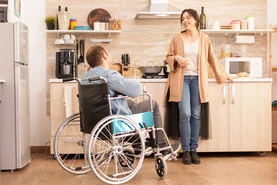

When it comes to providing residential homes for disabled adults, it's essential to create living spaces that are not only functional but also comfortable and empowering. These individuals face unique challenges and require specialized features in their homes to ensure their safety, independence, and overall well-being.
Essential features and considerations when designing residential homes for disabled adults:
Wheelchair Accessibility
One of the primary considerations when designing residential homes for disabled adults is wheelchair accessibility. Many disabled individuals rely on wheelchairs for mobility, and having wide doorways and hallways is essential to allow easy movement throughout the house.
Additionally, ramps or elevators should be in place to ensure access to all areas of the home, including upper floors, making the house fully wheelchair-friendly. It's essential to minimize steps or level changes in the design to facilitate smooth transitions.
Adaptive Bathrooms
Bathrooms are important areas in any home, and for disabled adults, they need to be designed with adaptability and safety in mind. Some essential features to consider include:
Roll-in showers with grab bars to facilitate easy transfers from a wheelchair.
Non-slip flooring materials to prevent accidents.
Adjustable height sinks and toilets to accommodate various users.
Lever-style faucets and easy-to-reach shelves and storage.
Accessible Kitchen
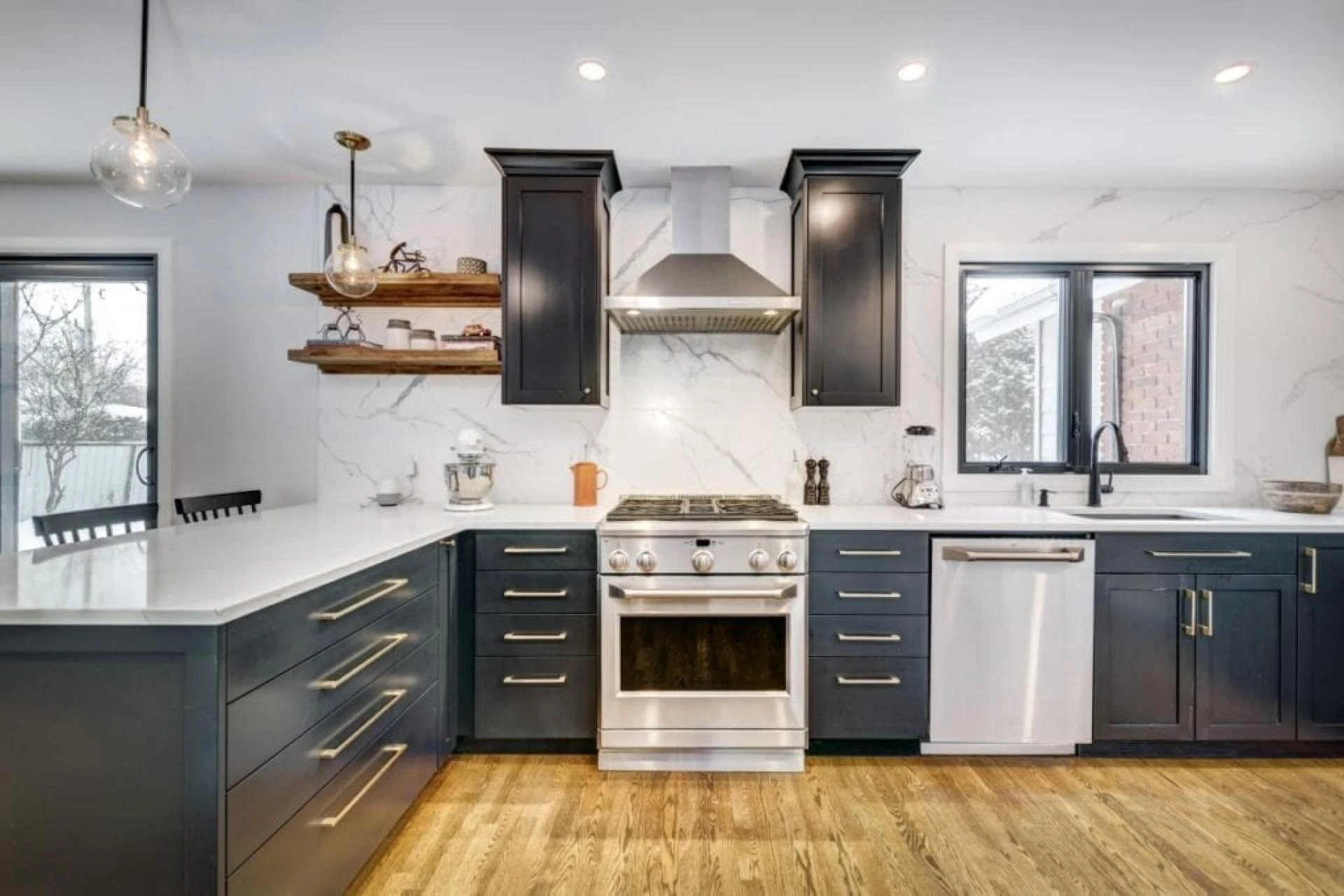
The kitchen is often the heart of the home, and disabled adults should be able to use it comfortably and independently. Some considerations for an accessible kitchen include:
Lower countertops for wheelchair users.
Pull-out shelves and drawers for easy access to items.
Appliances with front controls and easy-to-read displays.
Lever-style handles on cabinets and faucets for easy operation.
Wide Doorways and Hallways
As mentioned earlier, wide doorways and hallways are essential to ensure that individuals with mobility challenges can move freely within the home. The recommended door width is at least 36 inches to accommodate wheelchairs comfortably. This feature is not only practical but also provides a sense of spaciousness, making the home feel more welcoming.
Appropriate Lighting and Color Contrast
Proper lighting and color contrast play animportant role in making a home more accessible for disabled adults. Sufficient lighting is necessary to assist those with visual impairments. Additionally, creating contrast between walls, floors, and furniture helps individuals with low vision to navigate the space more easily. The careful selection of colors and lighting fixtures can enhance the overall accessibility and aesthetics of the home.
Smart Home Technology
Incorporating smart home technology can greatly benefit disabled adults by providing them with more control and independence in their living space. Features like voice-activated controls, automated lighting, and adjustable thermostat systems can make daily activities more manageable. For example, a person with limited mobility can adjust the thermostat or turn off lights without having to physically reach for switches.
Safe and Accessible Outdoor Areas
Accessibility should extend beyond the home's interior to the outdoor areas. Creating safe and accessible outdoor spaces is essential for disabled adults to enjoy the fresh air and maintain an active lifestyle. Features such as wheelchair ramps, handrails, and slip-resistant pathways are crucial. Accessible gardens and seating areas can also contribute to the overall well-being of the residents.
Quiet Spaces for Sensory Sensitivities
Some disabled adults may have sensory sensitivities, such as those with autism or other sensory processing disorders. Designing quiet spaces within the home can provide a sanctuary where individuals can relax and decompress. These spaces should be free from excessive noise and have soft, comfortable furnishings.
Flexible Room Layouts
In residential homes for disabled adults, it's essential to consider flexible room layouts. Not all disabilities are the same, and residents may have unique needs. Designing rooms with movable or adjustable furniture can accommodate different preferences and requirements. This flexibility allows for customization to suit the individual's specific needs.
Emergency Safety Features
Safety is paramount in any home, and for disabled adults, it's even more critical. Install emergency safety features like smoke detectors with visual and auditory alarms, fire suppression systems, and a reliable communication system to quickly alert caregivers or emergency services in case of an emergency.
Professional Consultation and Adaptability
Designing a home for disabled adults can be complex, given the diverse needs of the residents. It's advisable to consult with professionals who specialize in accessible design and disability accommodation. They can assess the specific requirements of the residents and provide expert guidance on how to adapt the home accordingly.
Community Integration
Beyond the physical features of the home, it's essential to consider the broader community context. Residential homes for disabled adults should be located in neighborhoods with accessible public transportation, healthcare facilities, and recreational opportunities. Easy access to these amenities contributes to the overall well-being and social integration of the residents.
Conclusion
Creating residentialhomes for disabled adults is a multifaceted endeavor that involves careful planning and consideration of various factors. By prioritizing accessibility, safety, and flexibility, we can ensure that disabled adults have homes where they can thrive, participate in their communities, and lead fulfilling lives. Building such homes is not only an act of compassion but also a step toward a more inclusive and accessible society, where everyone has the opportunity to live with dignity and independence.
Source : https://amazingseniorsolutions.blogspot.com/2023/11/what-do-disabled-people-need-in-house.html







Sign in to leave a comment.